

 English
  中文简体
中文简体 
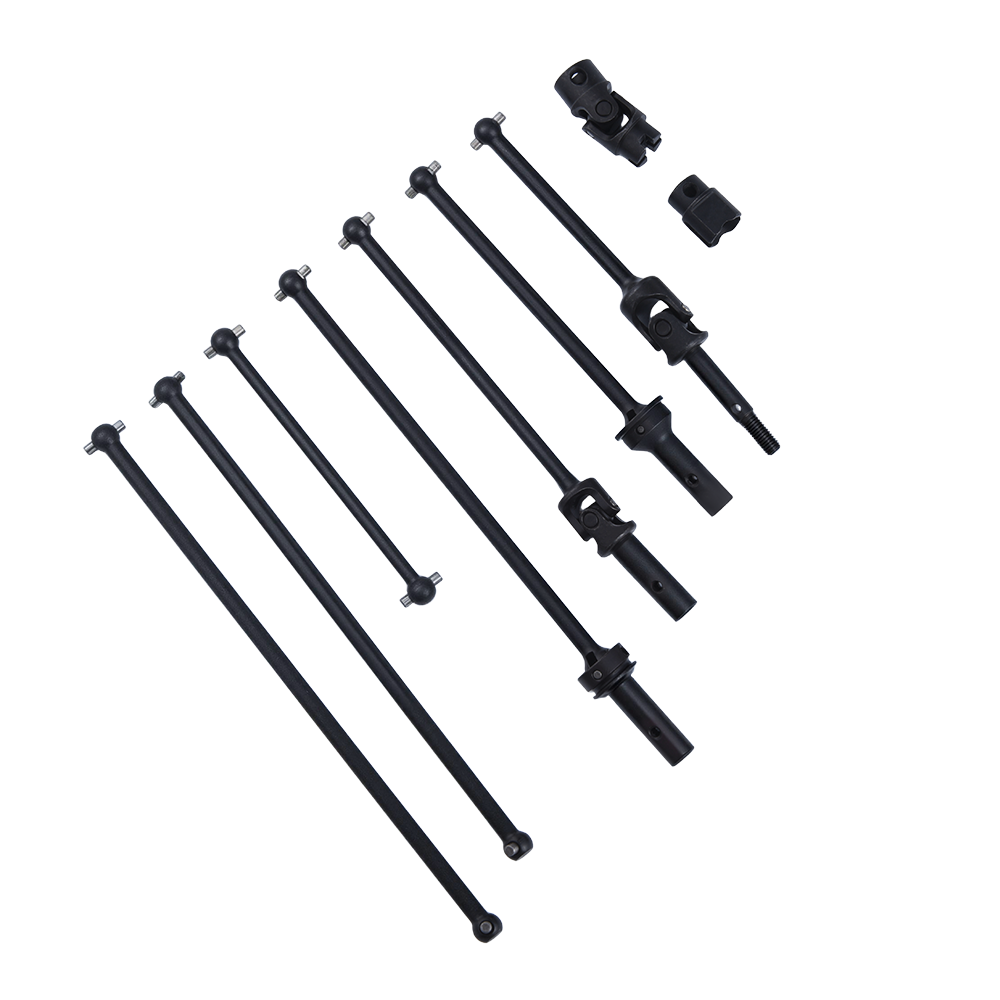
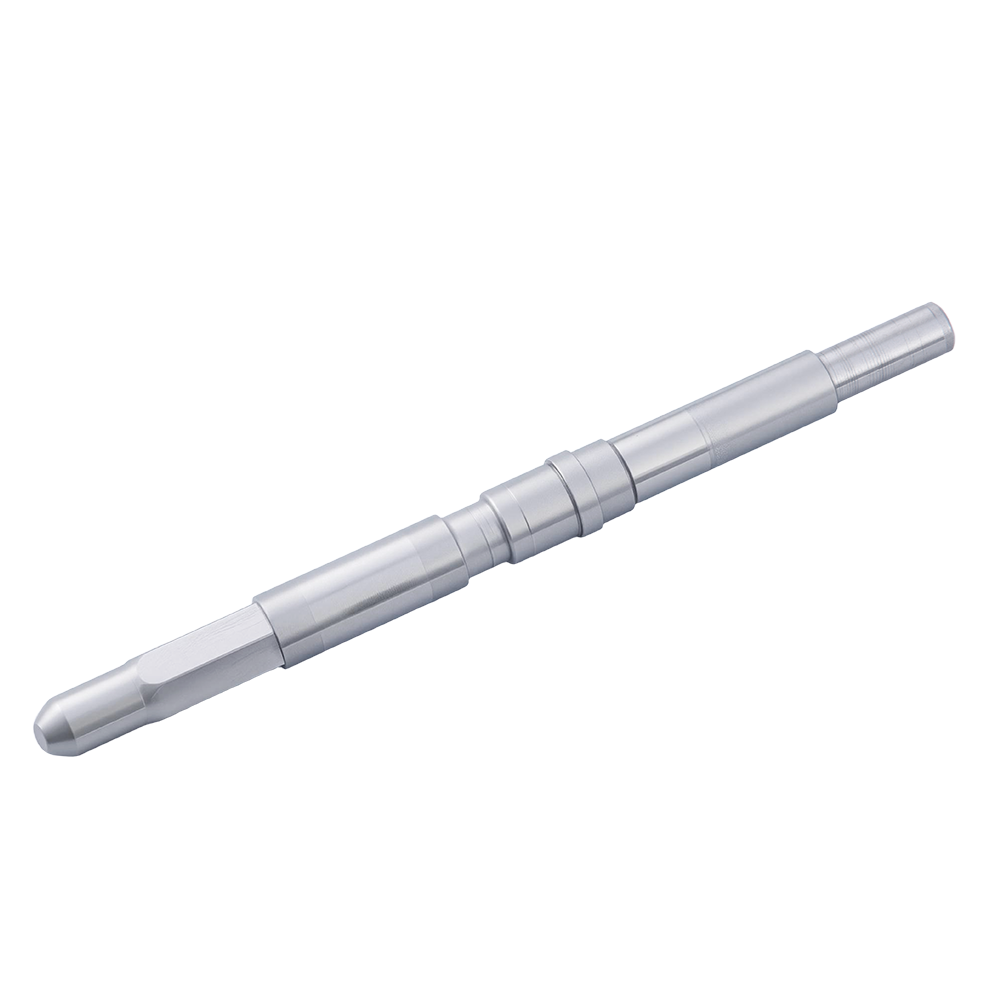
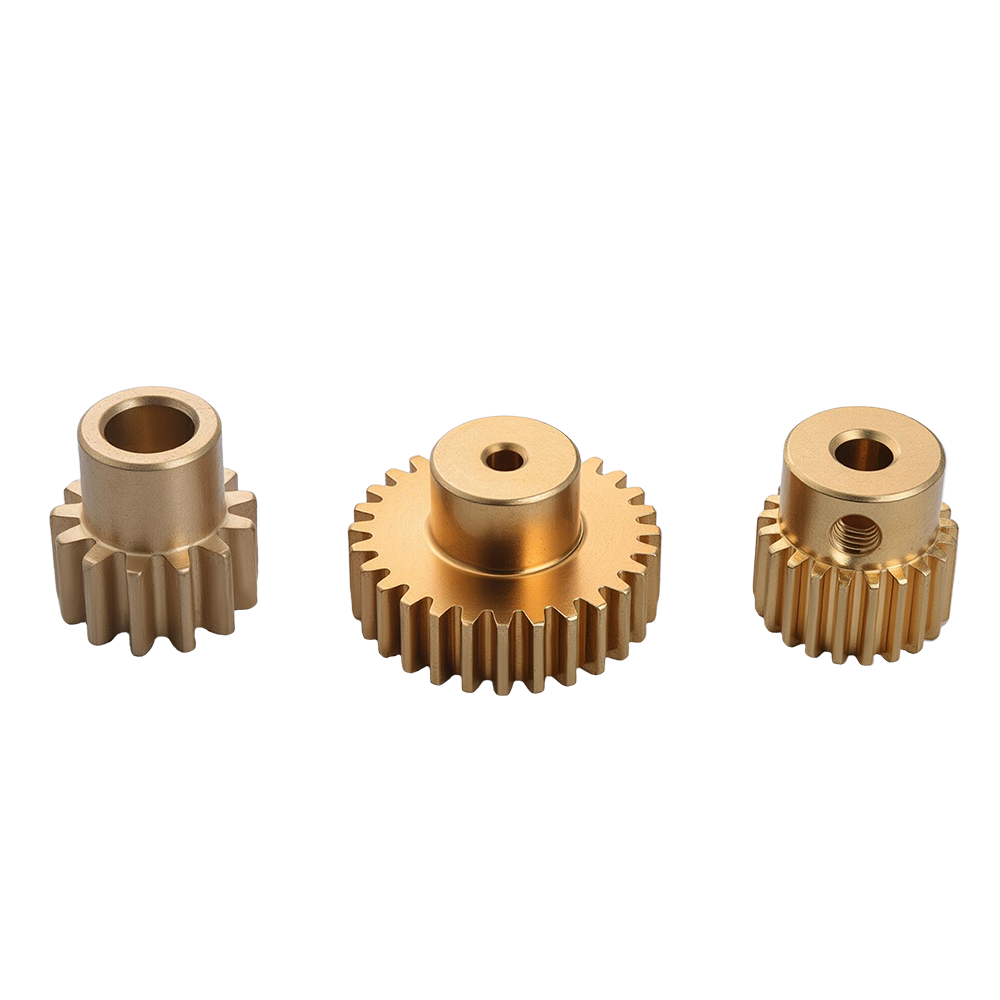
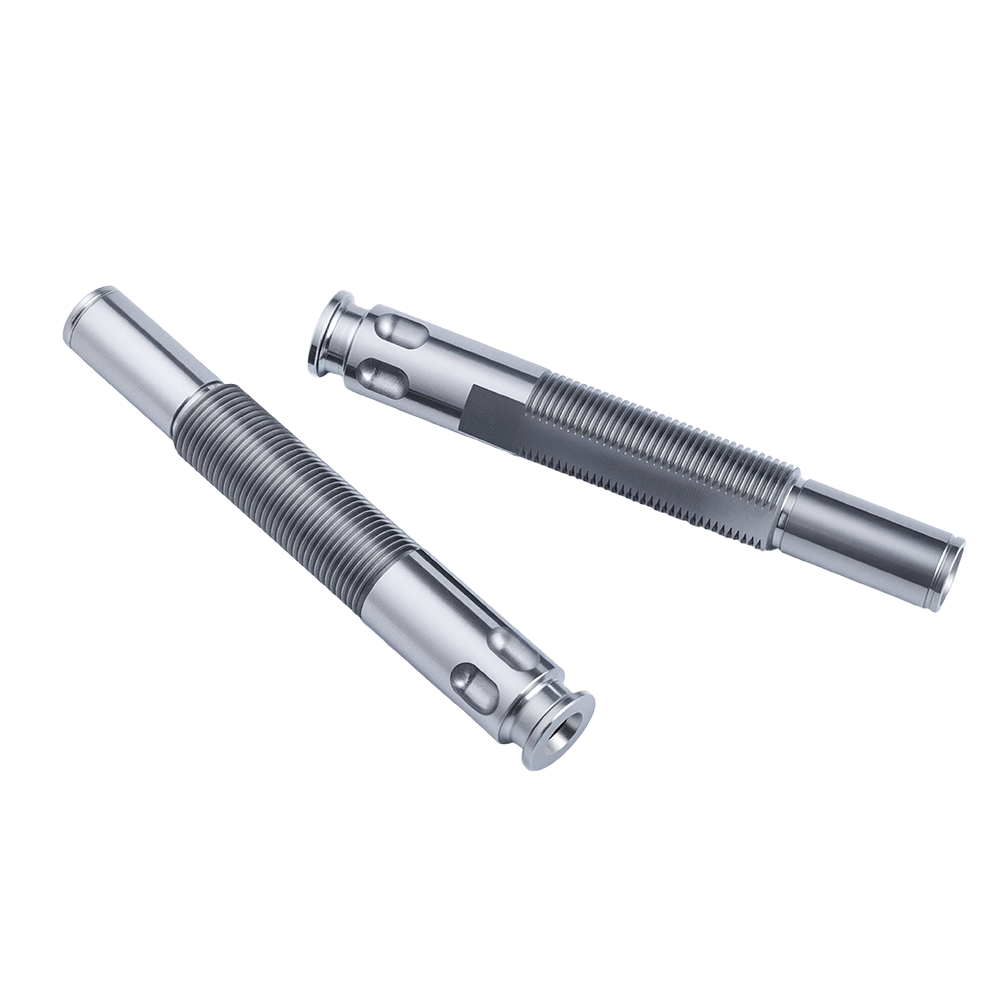
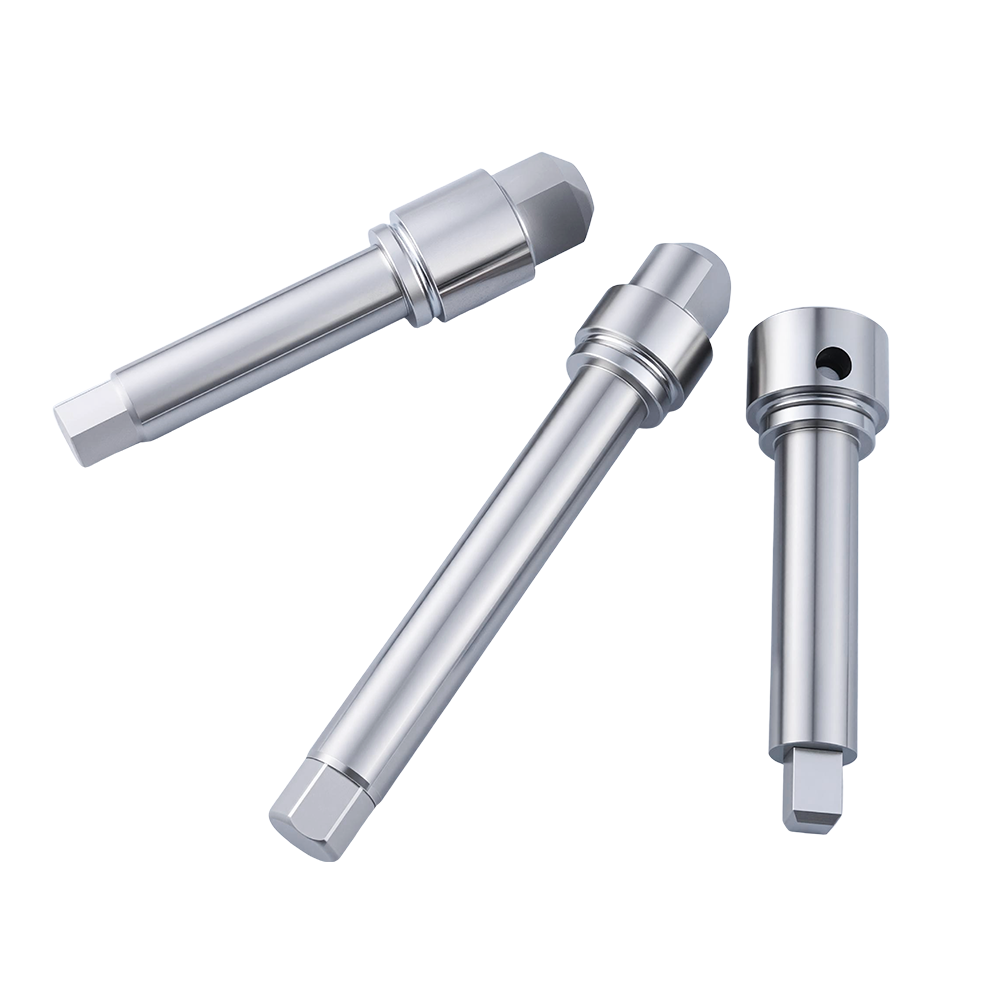
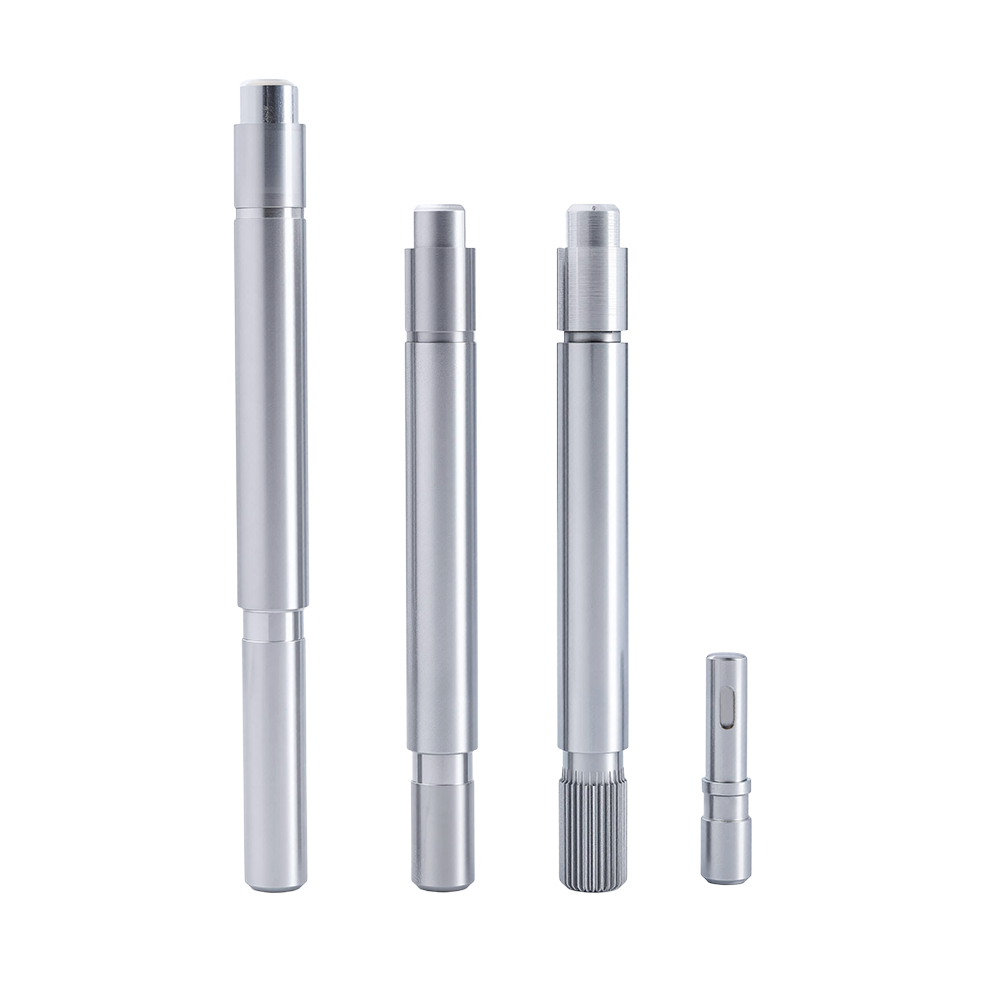
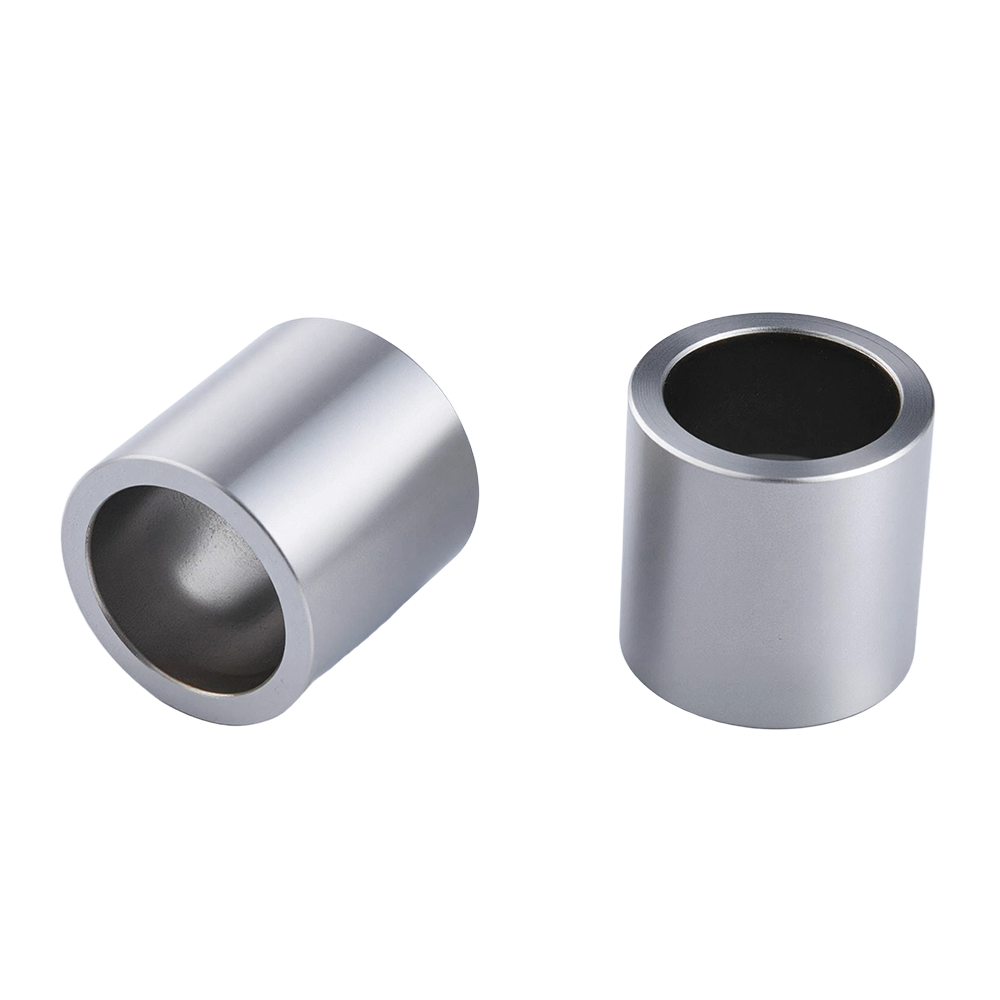
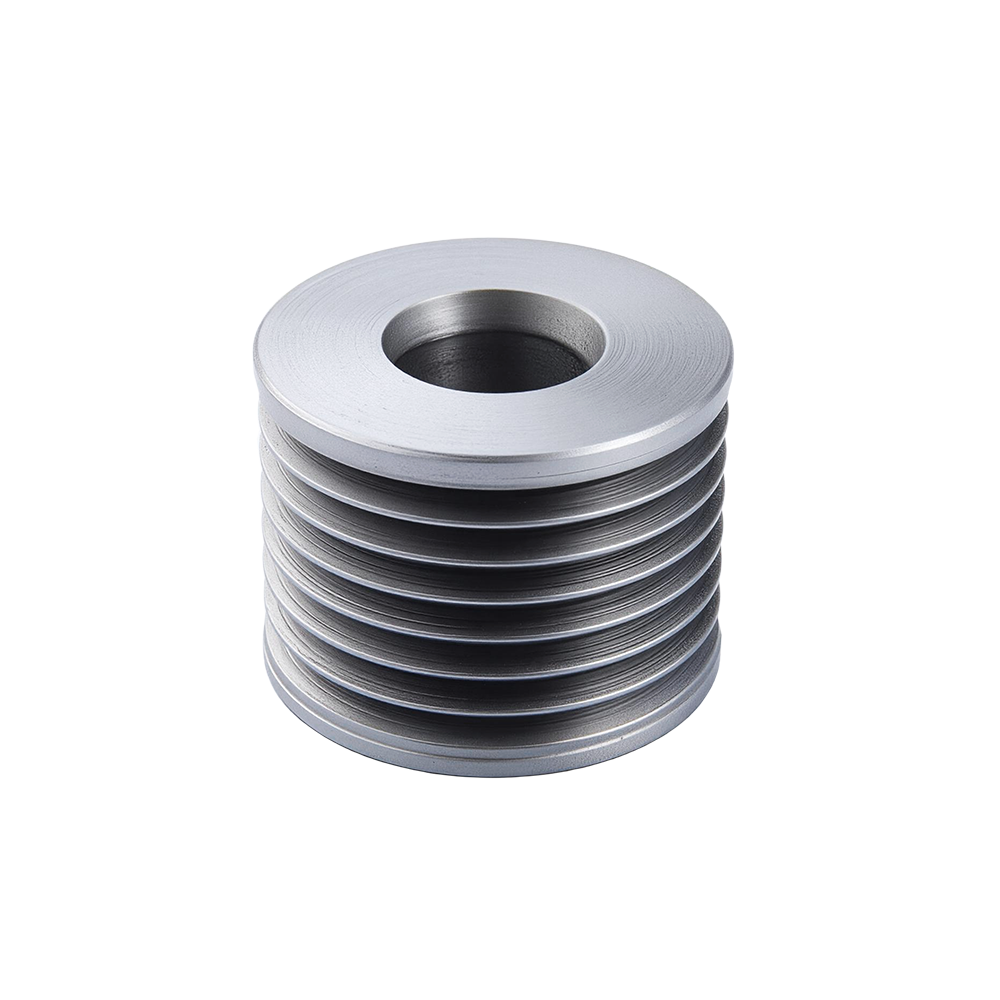
CNC Spline Shafts Technical Specifications
| Micro Machining Capabilities | Micro-Turning, Micro-Milling, Micro-Hole Drilling, Micro-EDM, Micro-Grinding |
|---|---|
| Primary Equipment | Star CNC Swiss-type Lathes, 5-axis Micro Machining Centers, Micro Grinders |
| Workpiece Diameter Range | 0.1mm to 10mm (Ideal for micro bars and miniature tubes) |
| Dimensional Tolerance | Machining Tolerance: ±0.002mm; Micro-Hole Tolerance: ±0.005mm |
| Geometric Tolerances | Concentricity: 0.001mm; True Position: 0.003mm |
| Common Materials | Titanium (Ti-6Al-4V), 17-4PH, SUS316L, Brass, PEEK, Peek-Ceramic |
| Surface Roughness (Ra) | Ground/Micro-Machined Surfaces: Ra 0.05 - Ra 0.2; Turned: Ra 0.4 |
| Micro Features | Threads (M0.6+), Cross-Holes (0.1mm+), Micro-Grooves, Thin Walls (0.05mm) |
| Cleaning & Packaging | Ultrasonic Micro-Cleaning, Cleanroom Transfer, Anti-Static Trays |
| Inspection Equipment | Japanese/German Video Measurement Systems, Optical Comparators, Microscopes |
CNC Spline Shafts for Advanced Medical, Automotive, and Electronic Components
At Xierge Precision Machinery Co., Ltd., we leverage over 30 years of operational experience since 1990 to deliver world-class CNC Spline Shafts services for the medical, automotive, and consumer electronics industries. Micro machining involves the manufacturing of extremely small components and miniature features, such as micro-fluidic channels, sub-millimeter guide holes, micro threads, and intricate surgical instrument tips. These critical applications demand sub-micron dimensional accuracy, flawless surface finishes, and perfect geometric integrity. In micro-scale manufacturing, even the slightest vibration, thermal expansion, or tool wear can result in part failure, making precision and process control absolutely vital.
To achieve these exacting standards, our state-of-the-art facility is equipped with Japanese imported Star CNC Swiss-type lathes, advanced multi-axis machining centers, and high-precision micro grinders. The specialized guide bushing technology on our Swiss lathes provides continuous, rigid support to micro-diameter bar stock, completely eliminating deflection when machining miniature geometries. This allows us to turn micro-stepped profiles, drill precision micro-holes, and mill complex 3D contours in a single continuous setup, ensuring absolute concentricity and repeatability.
Following our core principle of "Integrity Oriented, Quality Foremost," we strictly adopt premium raw materials, including medical-grade titanium, 17-4PH stainless steel, brass, and high-performance plastics like PEEK. We apply strict quality inspection protocols utilizing a complete set of advanced testing instruments imported directly from Japan and Germany, including high-magnification video measurement systems and optical comparators. We keep innovating to maintain sound business development and warmly welcome domestic and overseas clients to visit our factory and explore custom OEM/ODM micro machining cooperation opportunities.
Core Advantages of Xierge CNC Spline Shafts
- Zero-Deflection Micro-Turning: Our Japanese Star CNC Swiss-type lathes utilize specialized micro guide bushings that provide continuous, rigid support to sub-millimeter bar stock, completely eliminating vibration and deflection during micro-machining.
- Single-Setup Sub-Micron Accuracy: By turning, micro-milling, and cross-drilling in one continuous operation, we eliminate secondary clamping errors, maintaining strict concentricity and true position on miniature complex parts.
- Advanced Micro-Feature Capability: We can drill micro-holes as small as 0.1mm, machine micro-threads (M0.6 and up), and create intricate 3D micro-contours required for medical devices and optical sensors.
- Expertise in Exotic & Biocompatible Materials: We have developed mature, optimized cutting parameters for challenging micro-metals like titanium and 17-4PH, as well as medical plastics like PEEK, preventing warping and burr formation.
- Micro-Burr Elimination: Standard deburring destroys micro-parts. We utilize specialized back-chamfering tools, thermal energy deburring (TEM), and high-frequency ultrasonic cleaning to ensure 100% burr-free micro-components.
- High-Magnification Metrology: Standard calipers cannot measure micro-features. We utilize imported Japanese and German video measurement systems (VMS) and optical comparators to accurately verify sub-micron tolerances and micro-geometries.
- 3-Decade Micro OEM/ODM Innovation: Since 1990, we have continuously innovated, providing DFM (Design for Manufacturing) optimization for micro-component designs, scaling seamlessly from micro-prototyping to high-volume mass production.
Payment Methods & Global Logistics Solutions
Secure International Payment Terms:
To facilitate smooth B2B international trade, we offer flexible and secure payment options. For mass production orders of high-precision micro machined components, we accept standard T/T (Telegraphic Transfer) with a 30% advance deposit and 70% balance before shipment. For large-scale medical or automotive supply contracts, we are fully capable of processing Irrevocable Letters of Credit (L/C) at sight. For initial prototyping, sample orders, or custom micro tooling fees, PayPal and Western Union are also available to expedite the process.
Global Logistics & Protective Packaging:
We provide comprehensive end-to-end shipping solutions under FOB, CIF, and DAP Incoterms. For urgent micro-prototypes or small batches, we utilize expedited international couriers such as DHL, FedEx, and UPS. For bulk mass production, we offer highly competitive sea freight (LCL/FCL) and air cargo rates through our trusted global forwarder network. Recognizing that micro machined components are incredibly small, lightweight, and highly sensitive to static, dust, and physical damage, we utilize specialized cleanroom-grade packaging: components are first cleaned in ultrasonic baths and dried. They are then placed in custom anti-static blister trays or gel-packs to prevent shifting and loss. The trays are sealed in moisture-barrier anti-static bags with VCI (Volatile Corrosion Inhibitor) inserts, and finally packed in sturdy, double-wall export cartons to ensure the micro-components arrive perfectly clean and intact.
FAQ
Micro-bars are highly susceptible to deflection. We utilize Japanese Star CNC Swiss-type lathes with specialized adjustable micro guide bushings that support the bar stock mere millimeters from the cutting tool. We also use ultra-sharp single-crystal diamond or specialized micro-grain carbide inserts with highly optimized shallow depth of cuts and minimal radial pressure, ensuring the micro-bar remains perfectly rigid and straight.
Drilling micro-holes requires extreme precision. We use high-speed air spindles and specialized carbide micro-drills with optimized pecking cycles to evacuate chips rapidly and prevent tool breakage. To eliminate internal micro-burrs that standard tools cannot reach, we employ thermal energy deburring (TEM) or specialized electrochemical deburring (ECD), followed by high-frequency ultrasonic cleaning.
Standard metrology tools cannot measure micro-features. We utilize imported Japanese and German Video Measurement Systems (VMS) and optical comparators. These systems use high-magnification optics and edge-detection software to non-contact measure micro-diameters, hole positions, and geometric tolerances down to 0.001mm, ensuring absolute accuracy.
Yes. PEEK has a low melting point and poor thermal conductivity, making it prone to melting during micro-machining. We utilize specialized sharp polished carbide tools, optimized high-speed tool paths, and compressed air cooling (instead of liquid coolant to prevent swelling) to rapidly dissipate heat, ensuring clean, dimensionally stable micro-features in PEEK.
Micro-components are easily lost or contaminated by dust. We conduct final machining and inspection in controlled environments. Parts are automatically transferred via clean trays. During packaging, we use anti-static gel-packs where the micro-components are lightly adhered to prevent shifting, then sealed in cleanroom-grade anti-static bags to ensure they arrive at your facility ready for automated assembly.
Absolutely. Medical micro-components require strict statistical process control. We utilize automated vision measuring systems to batch-inspect critical micro-dimensions. We can generate and provide complete capability studies (Cpk/Ppk), measurement system analysis (MSA), and PPAP documentation to ensure our micro-machining processes meet stringent medical device manufacturing requirements.