Our company was established in 1990, with over 30 years of operational experience.
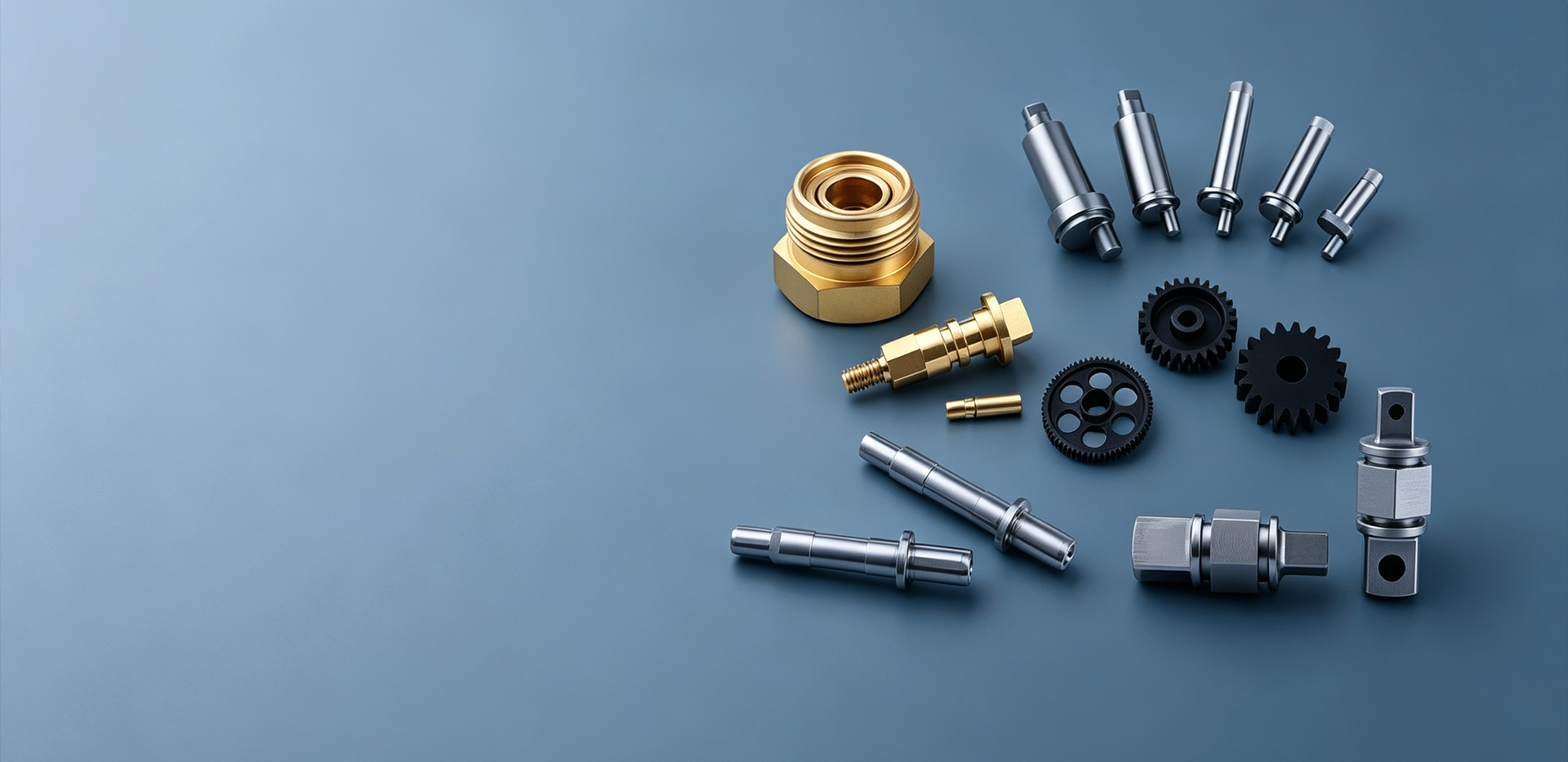
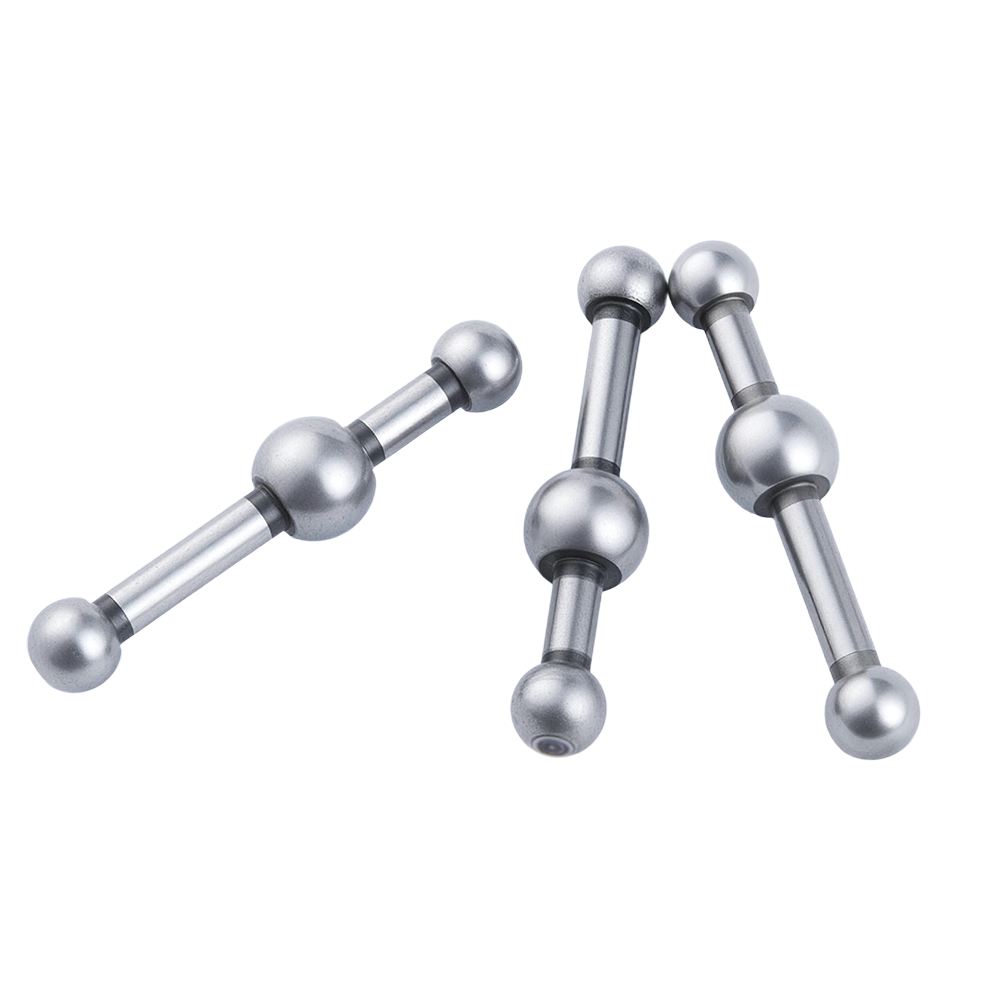
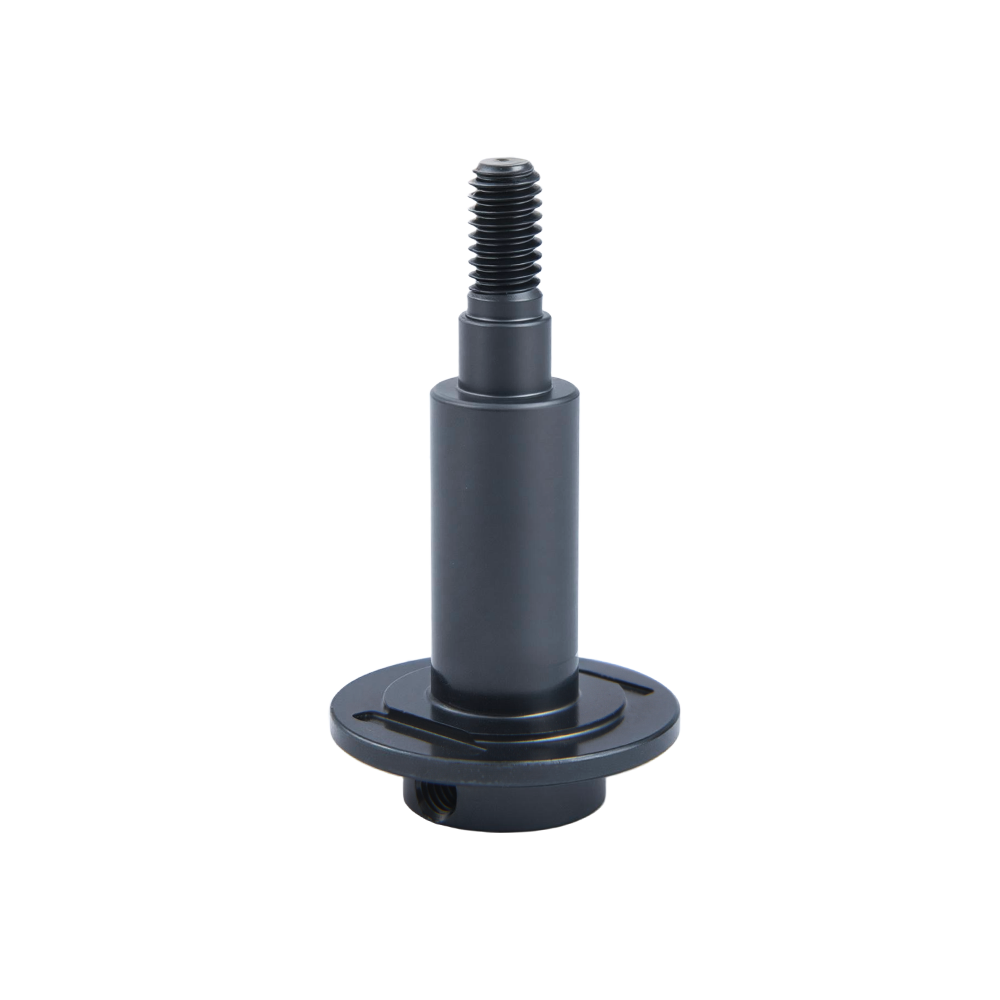
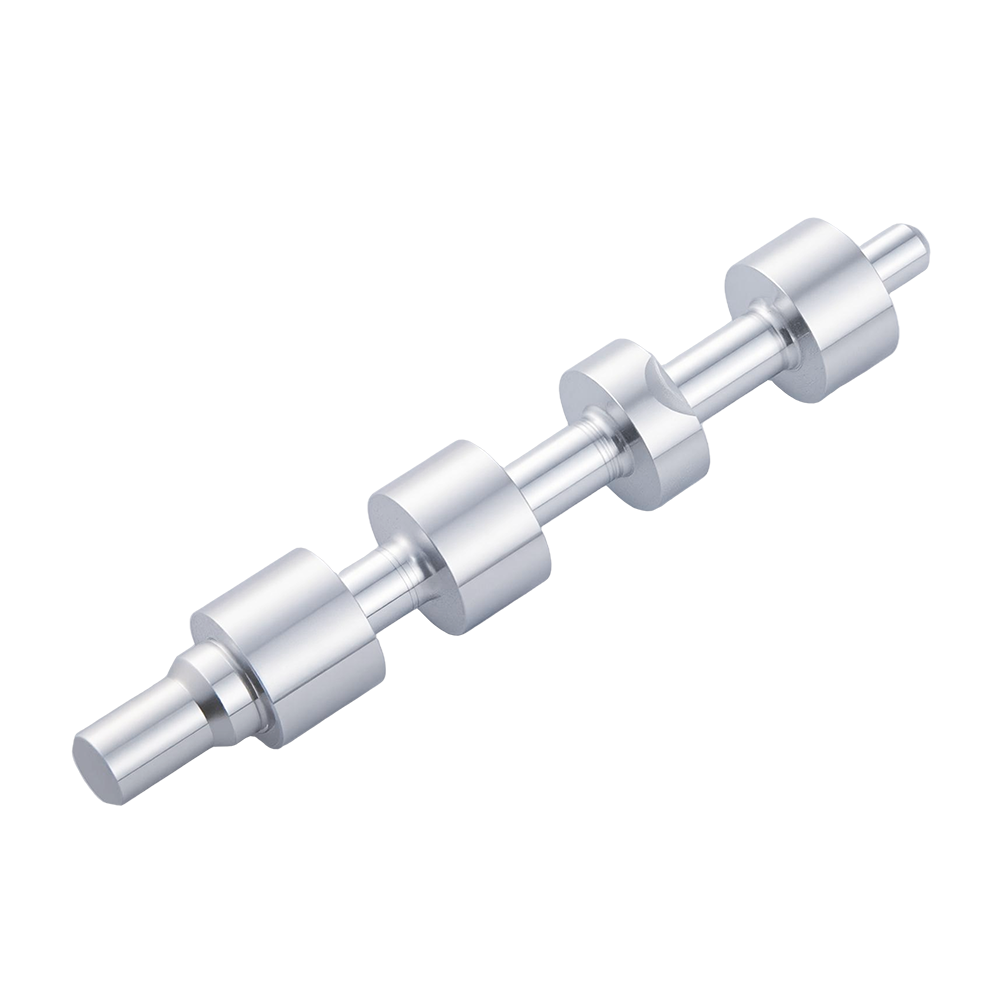
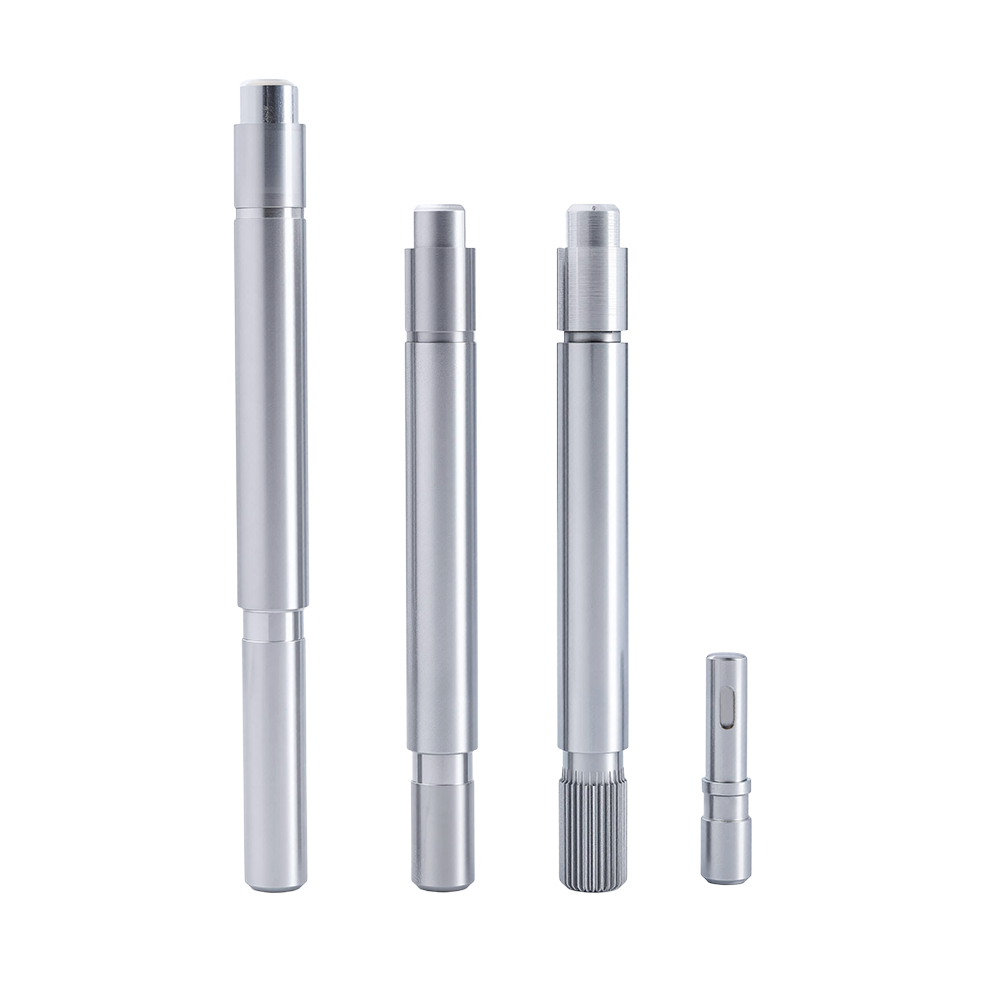
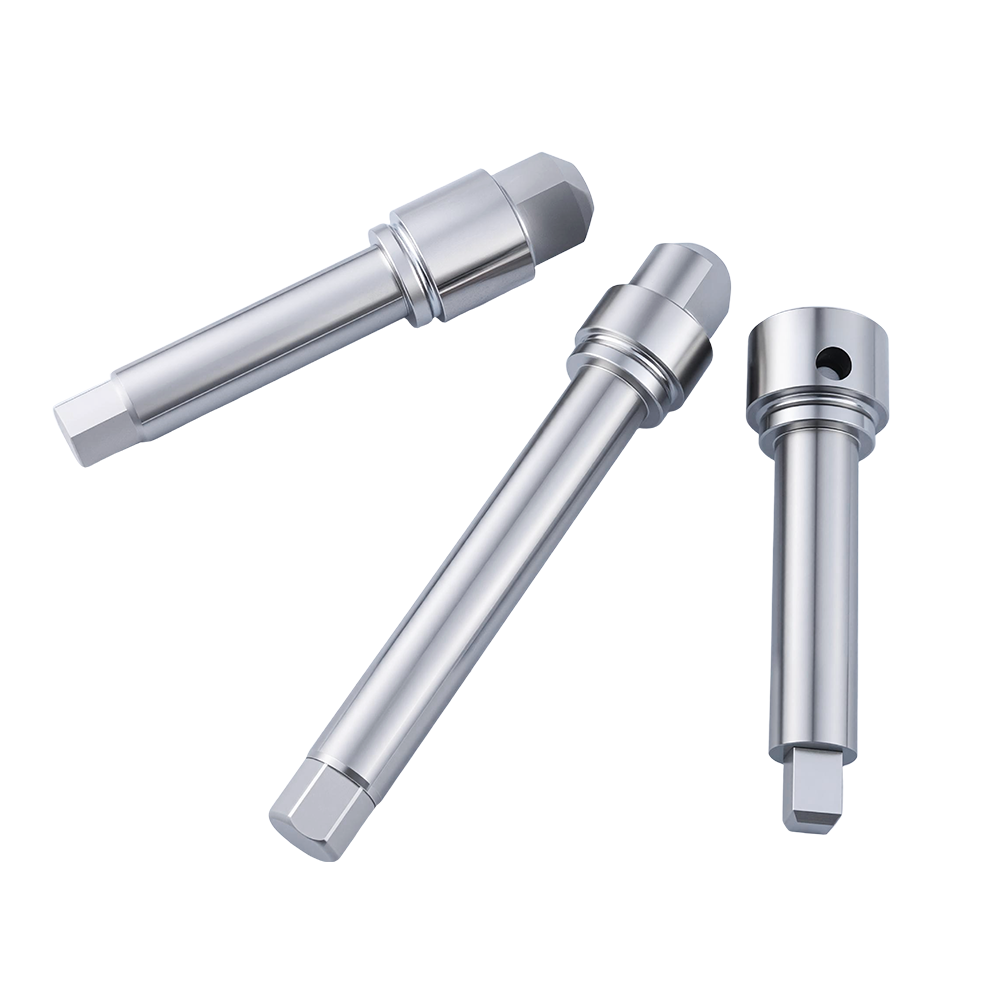
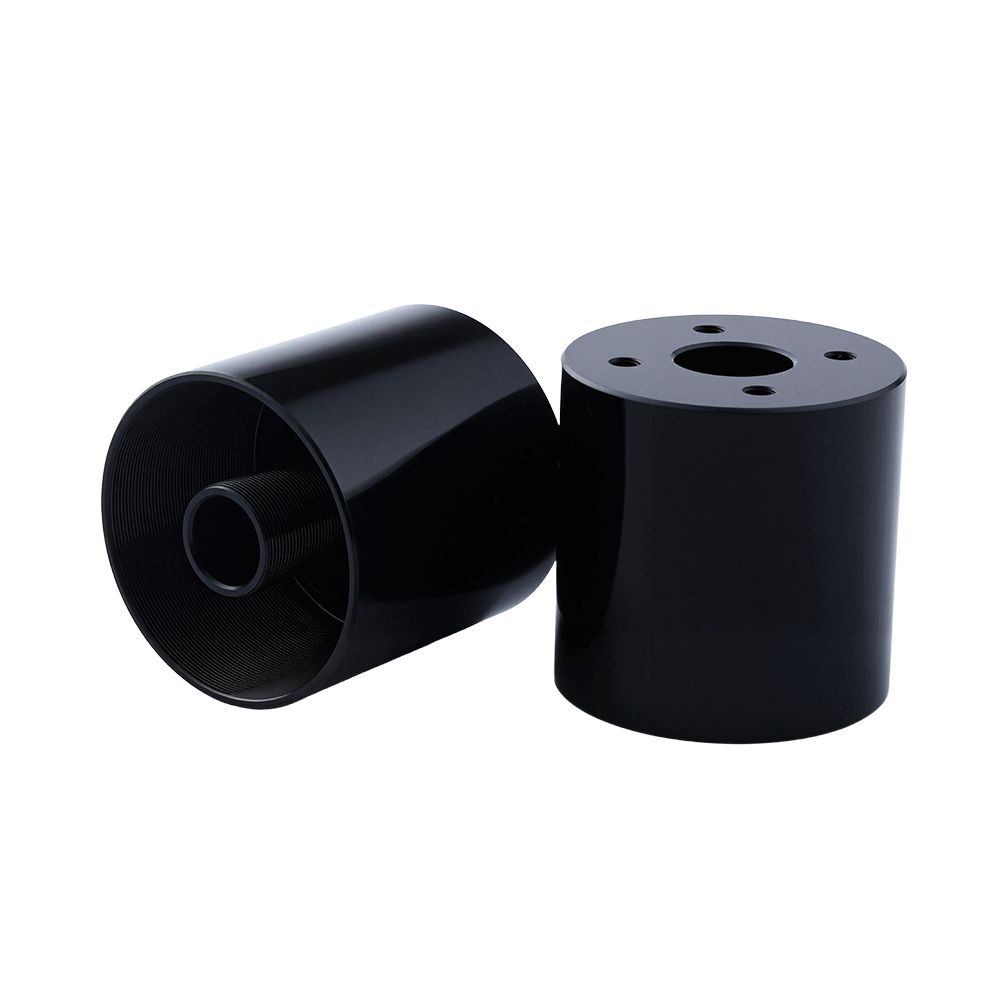
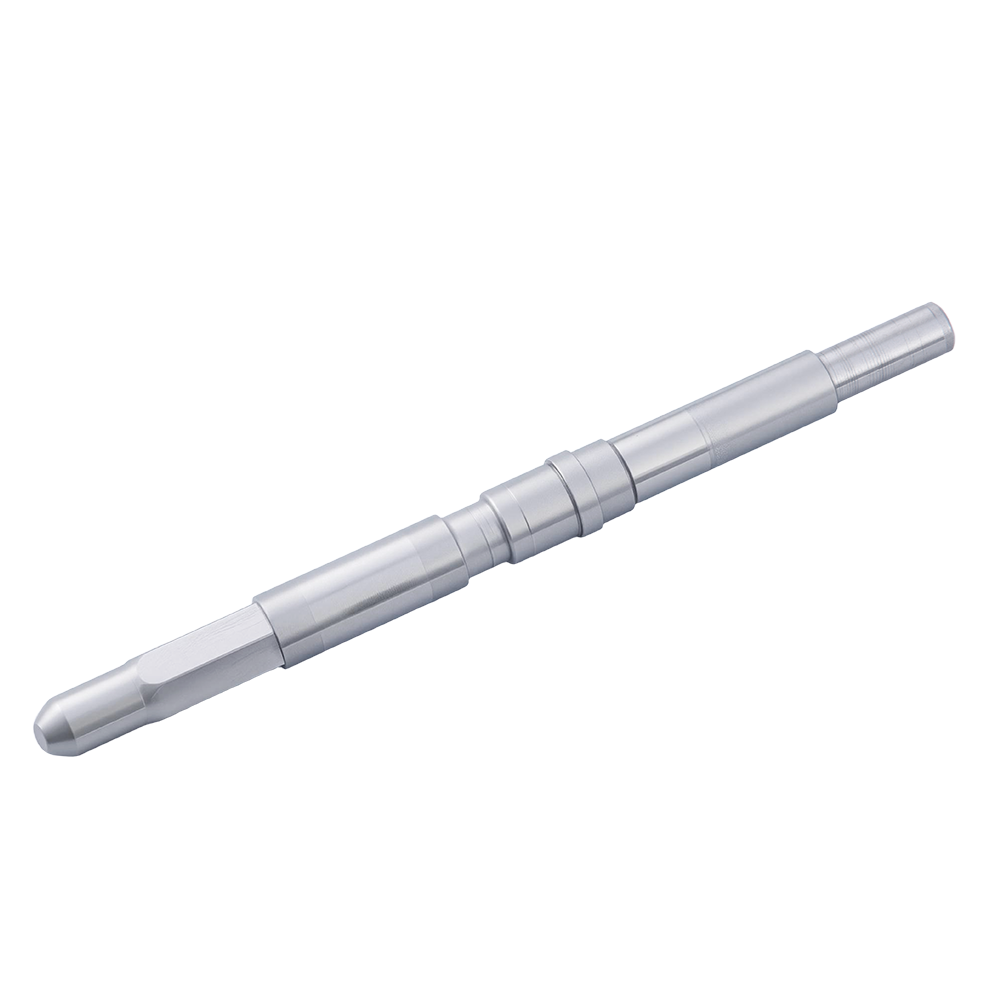
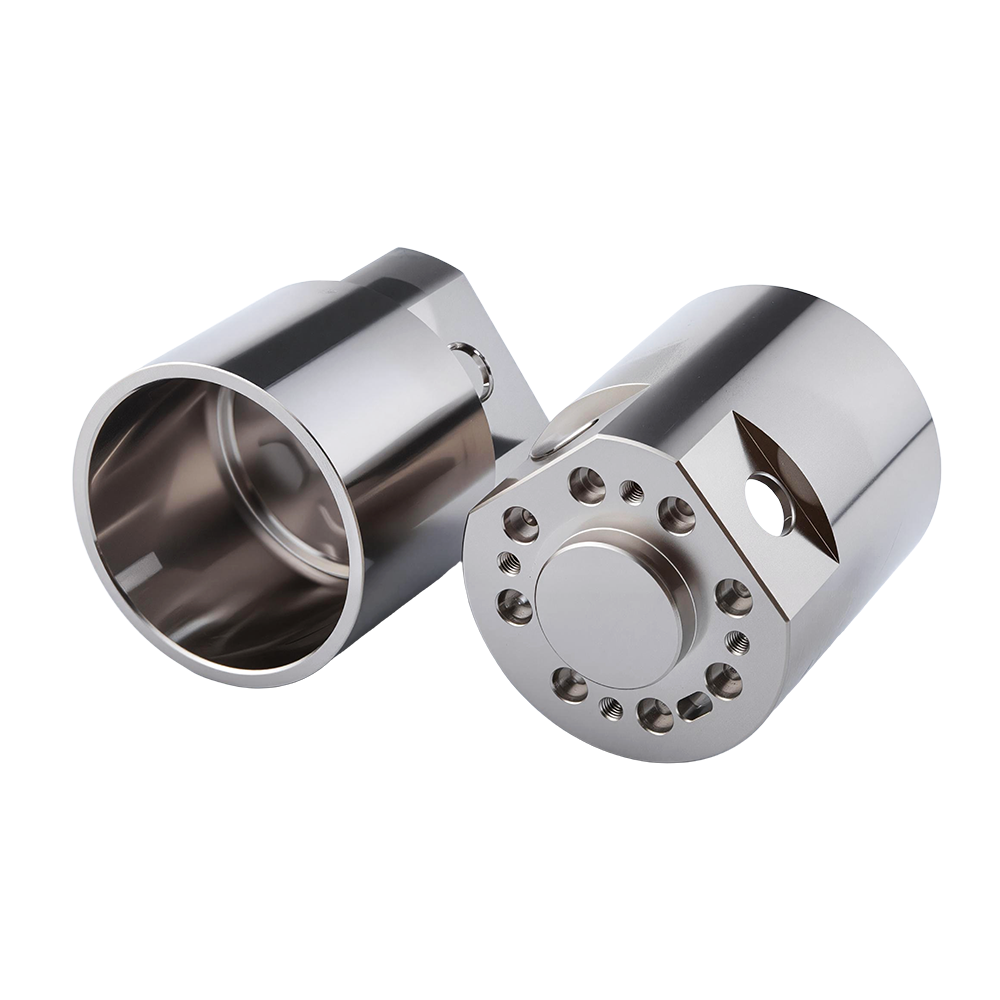
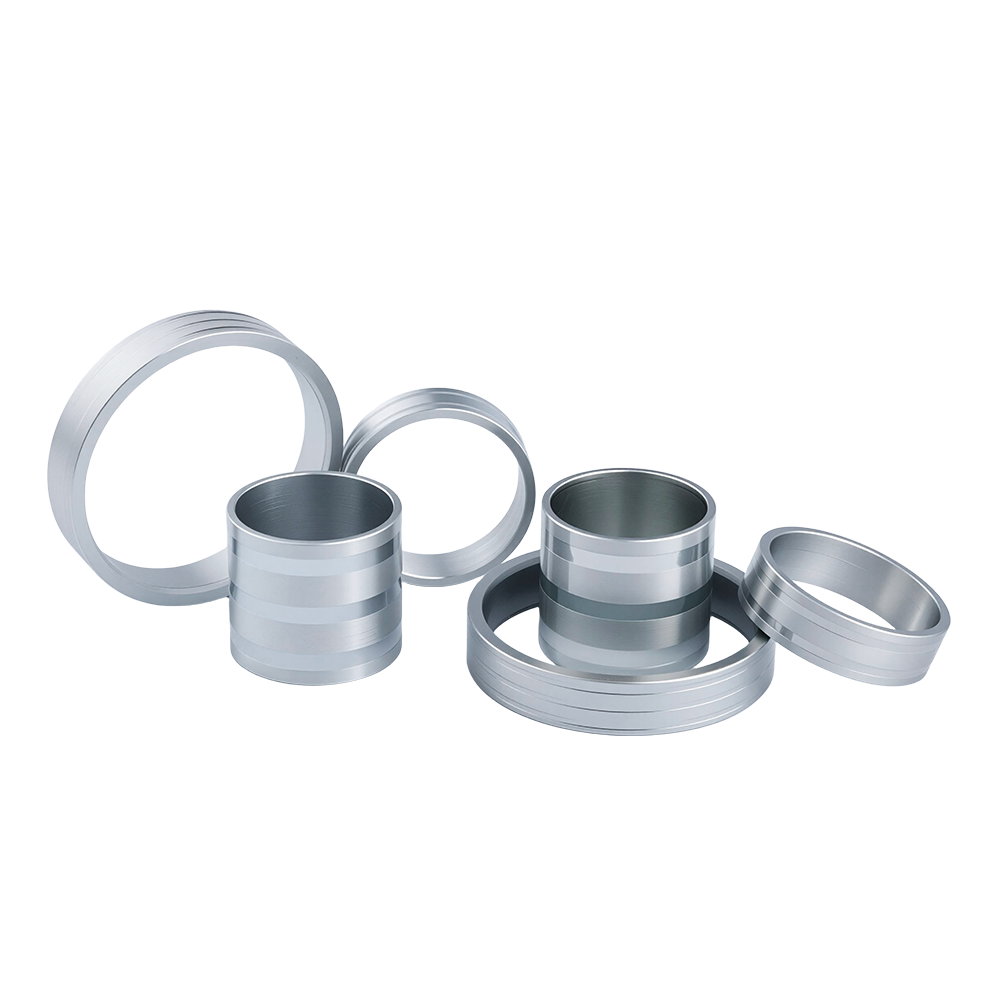
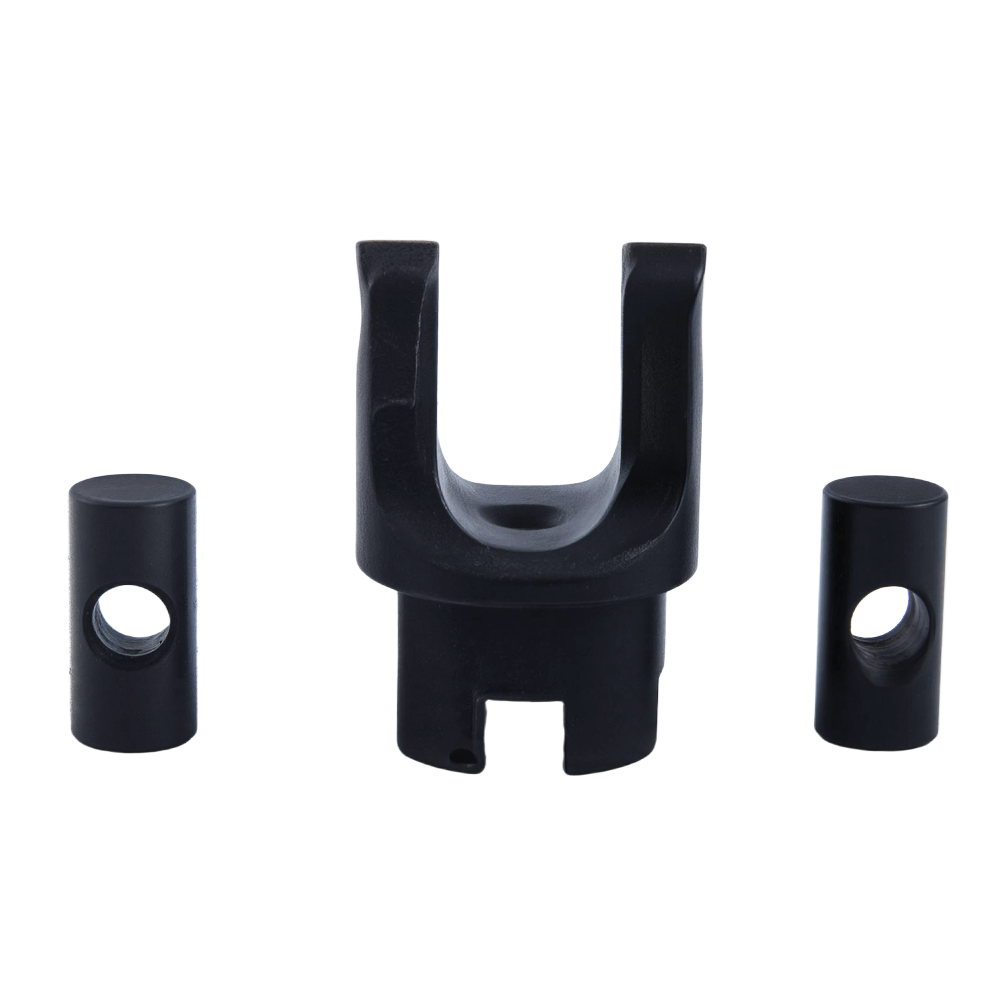
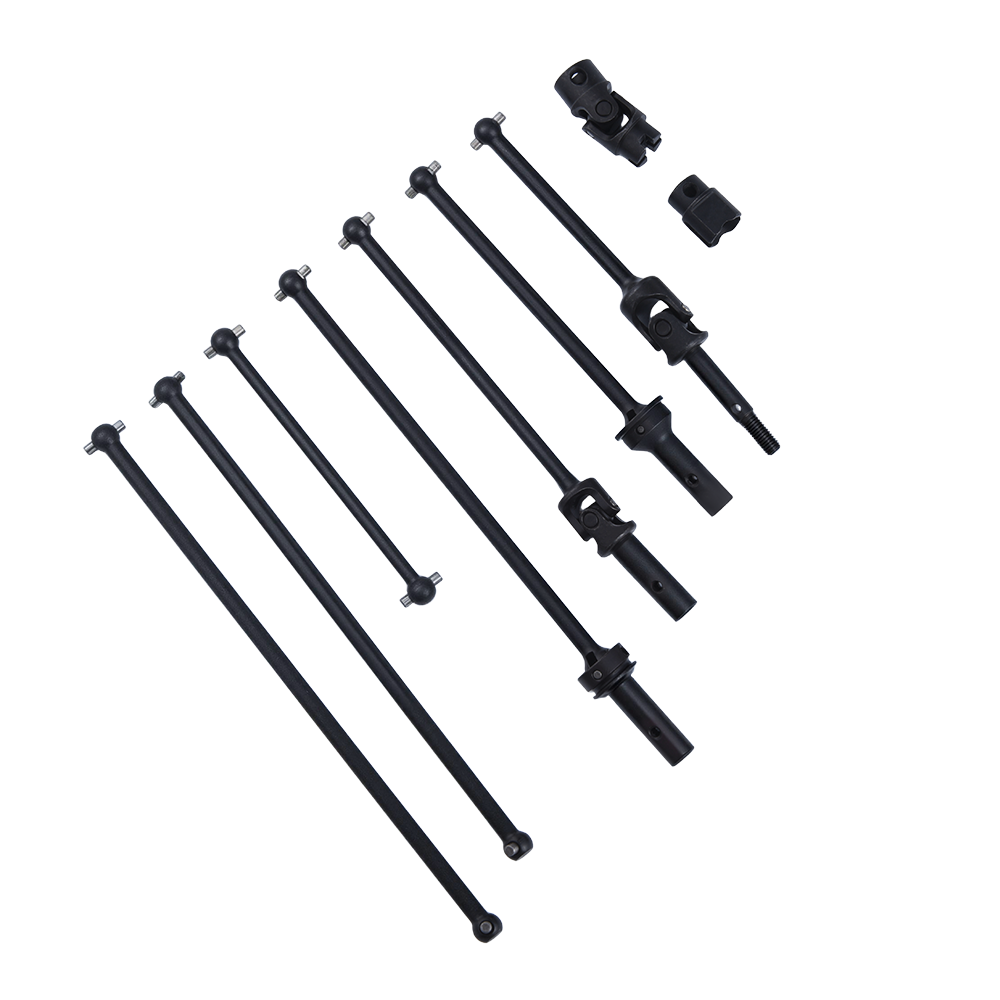
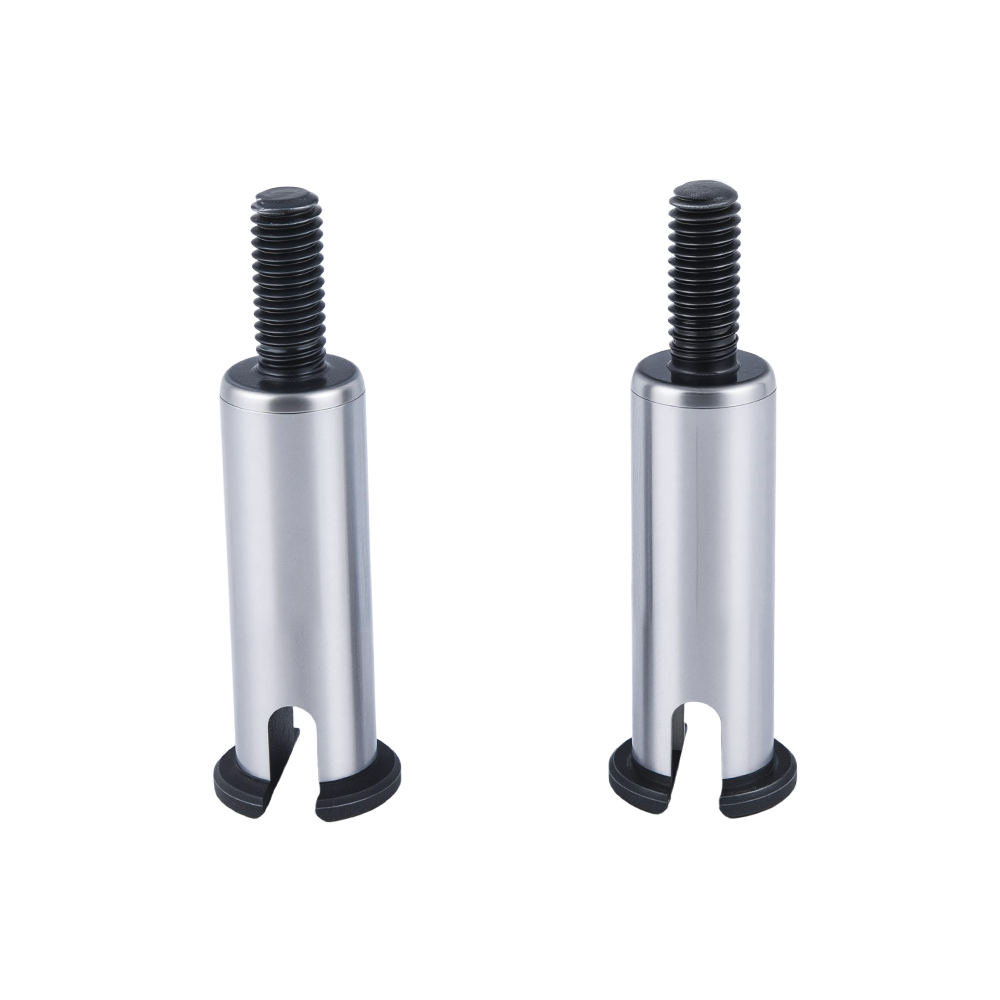
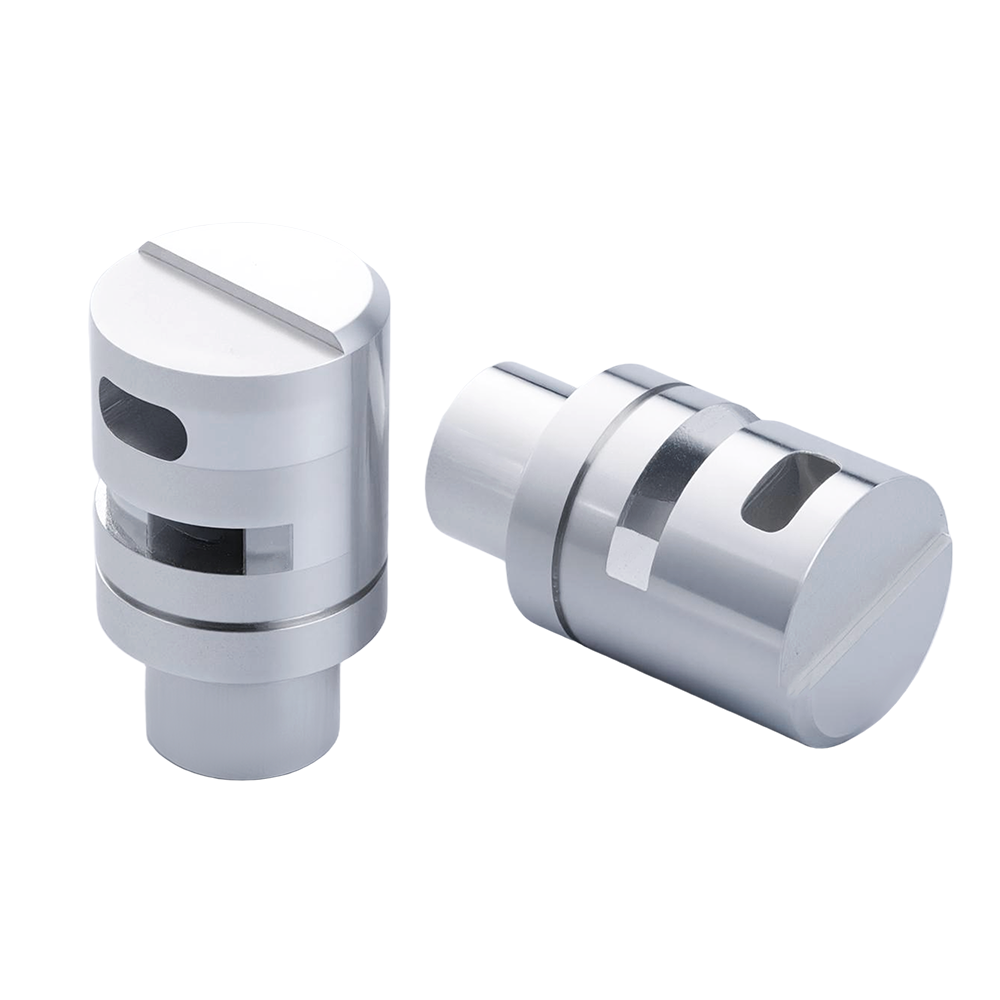
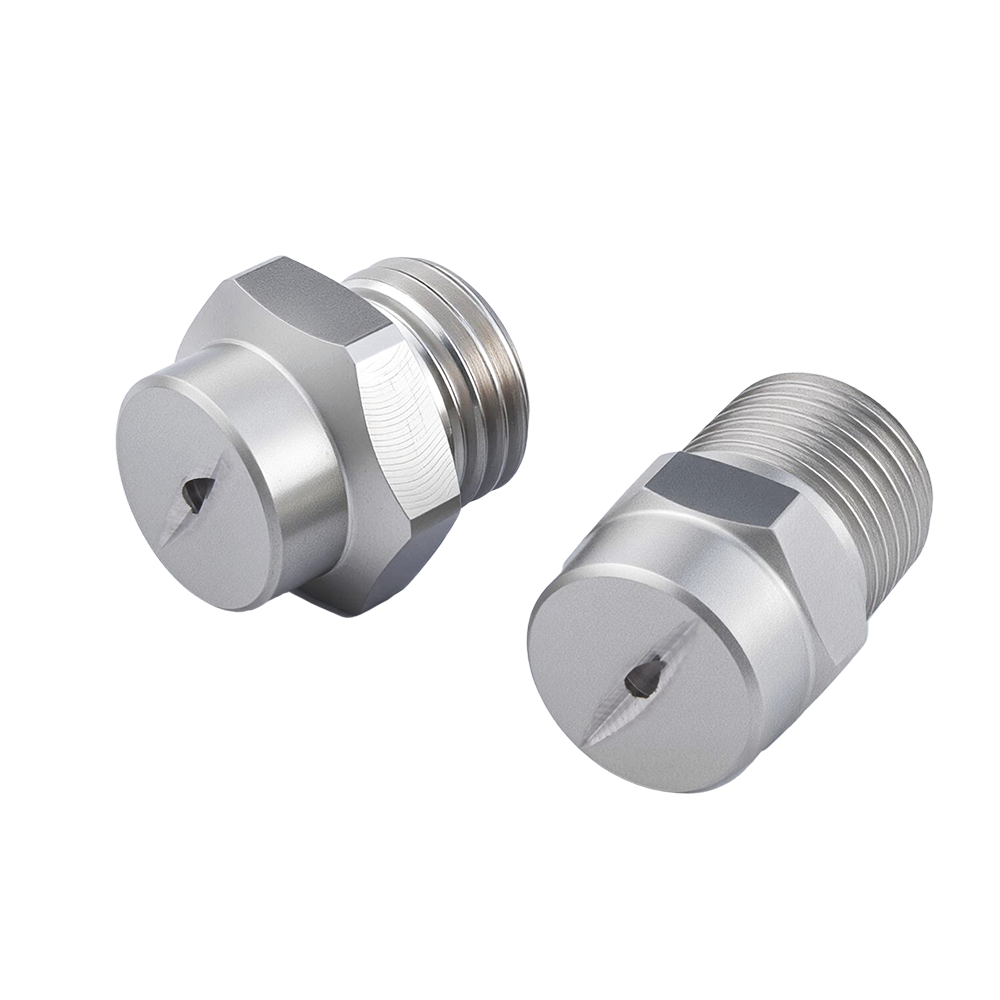
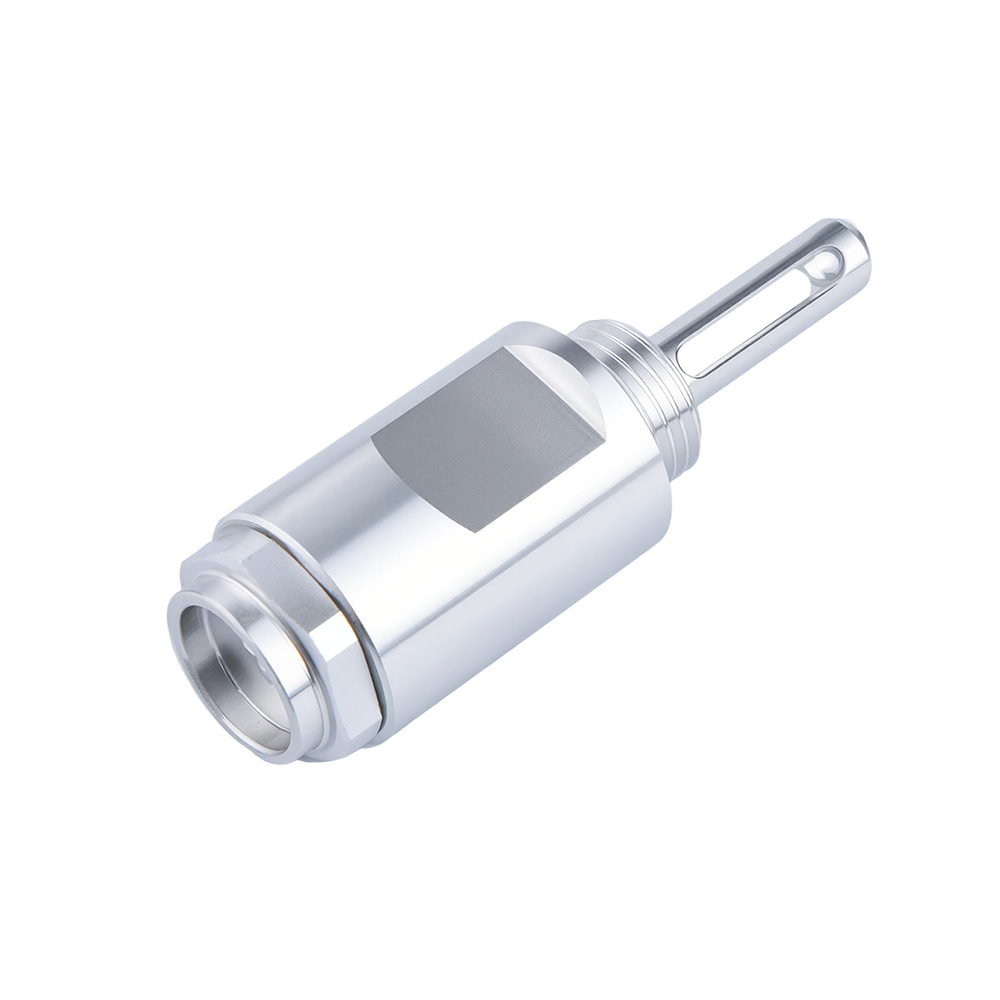
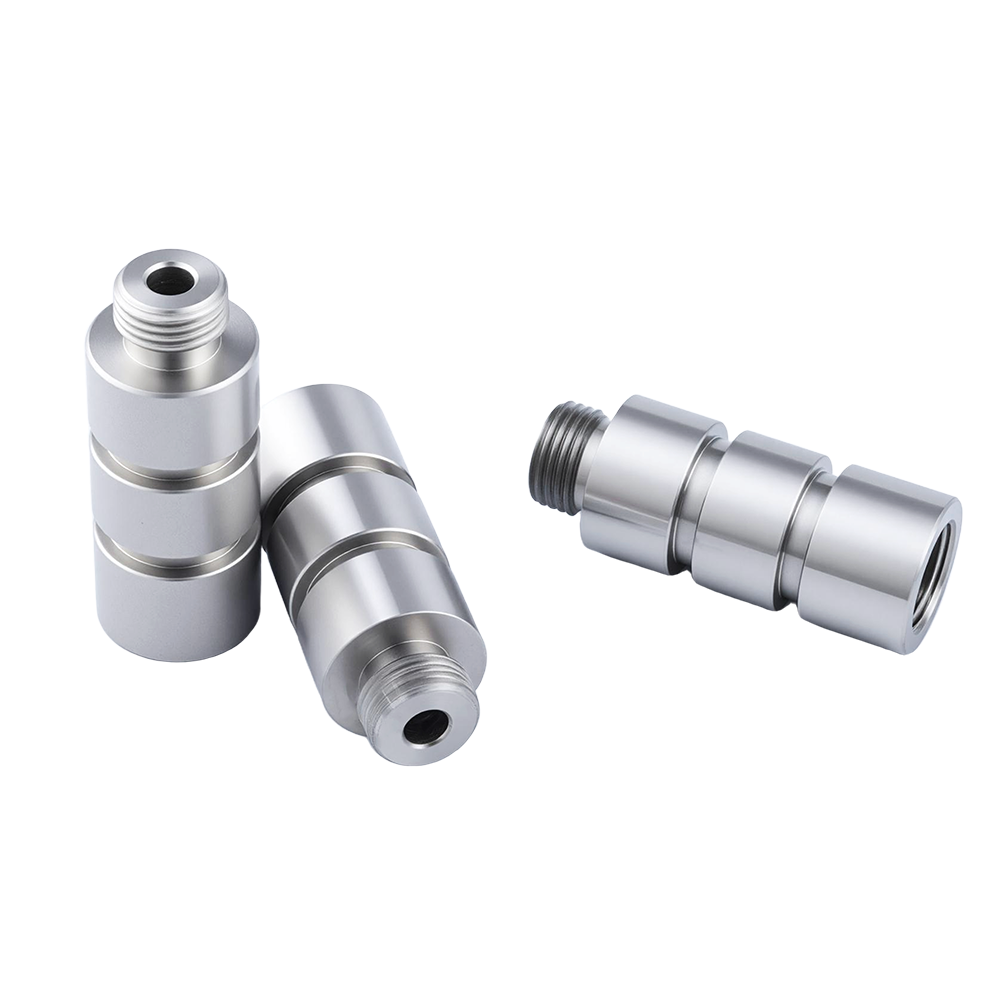
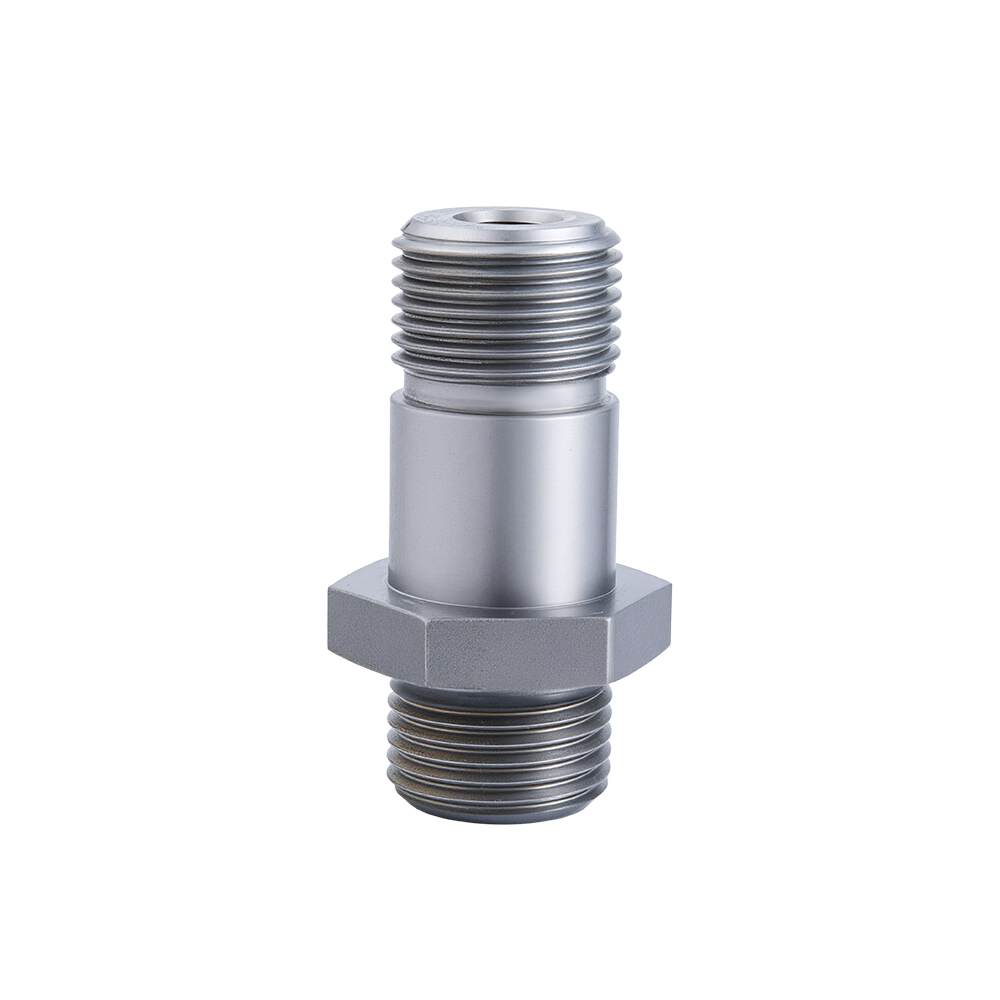
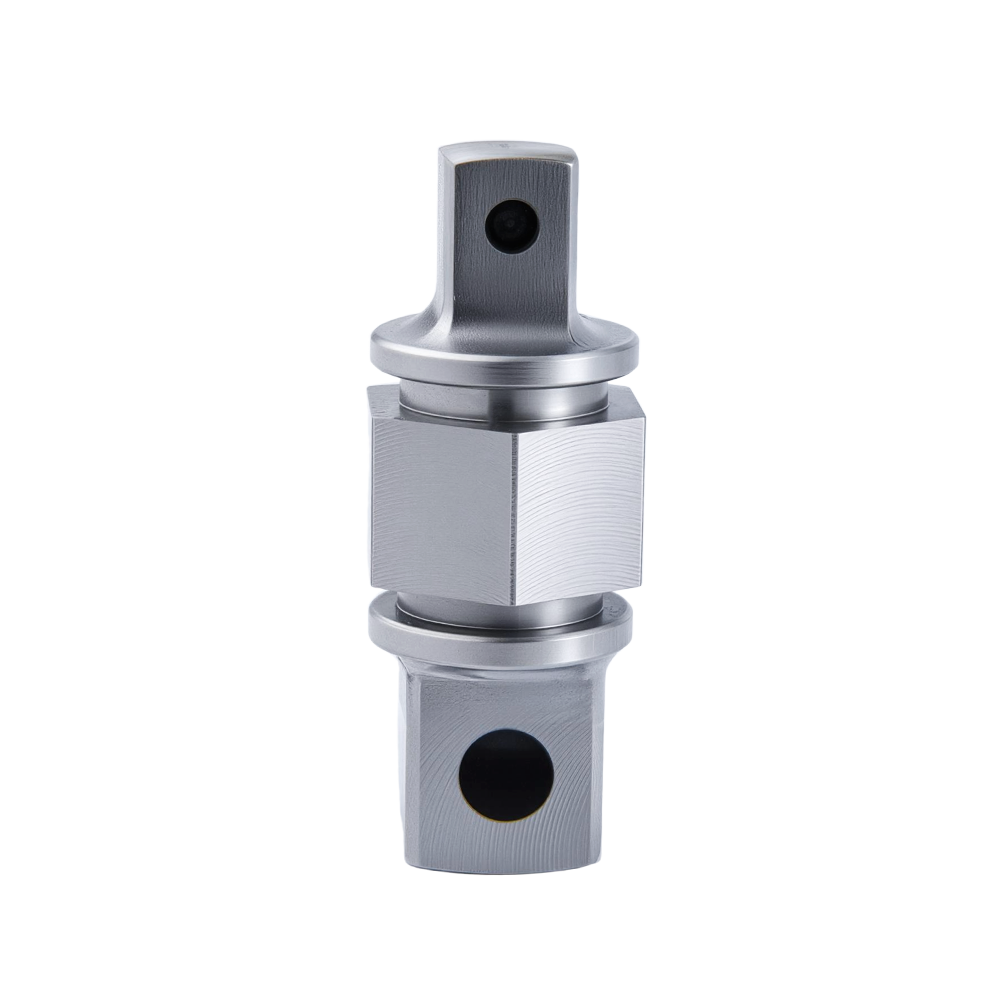
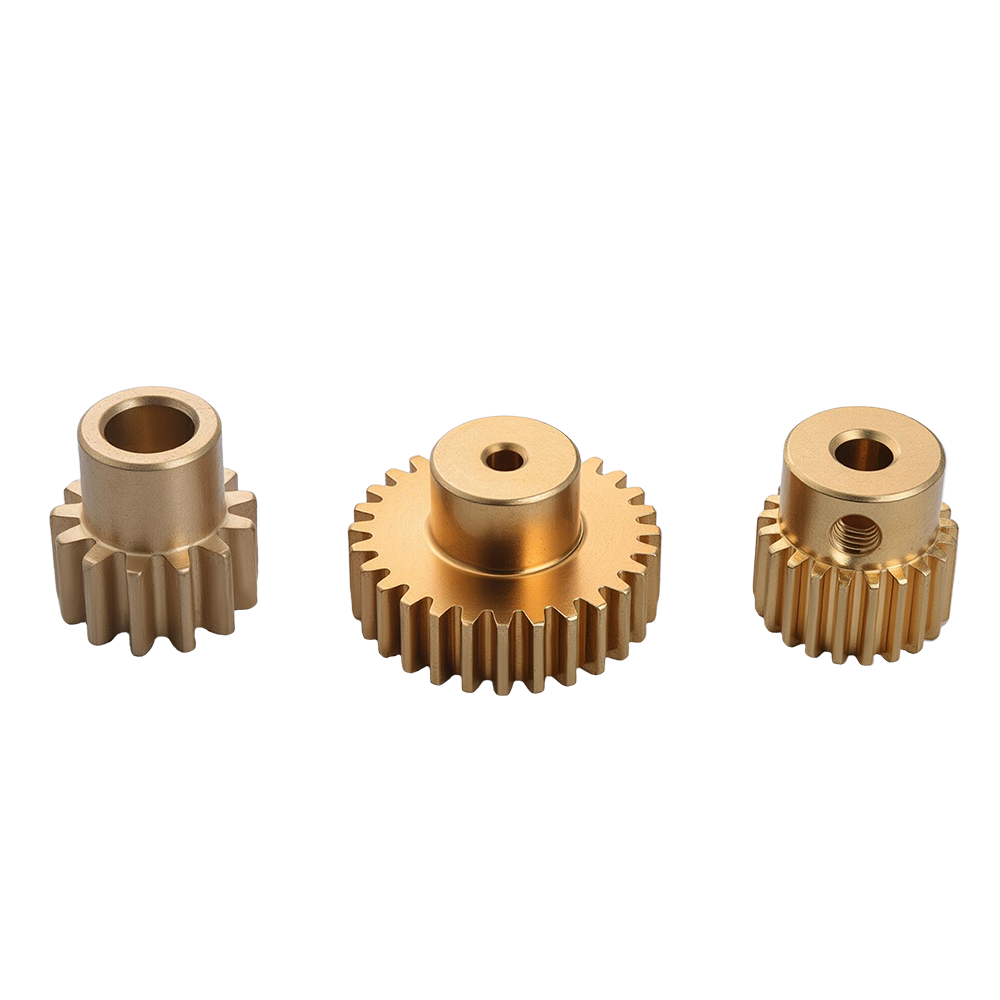
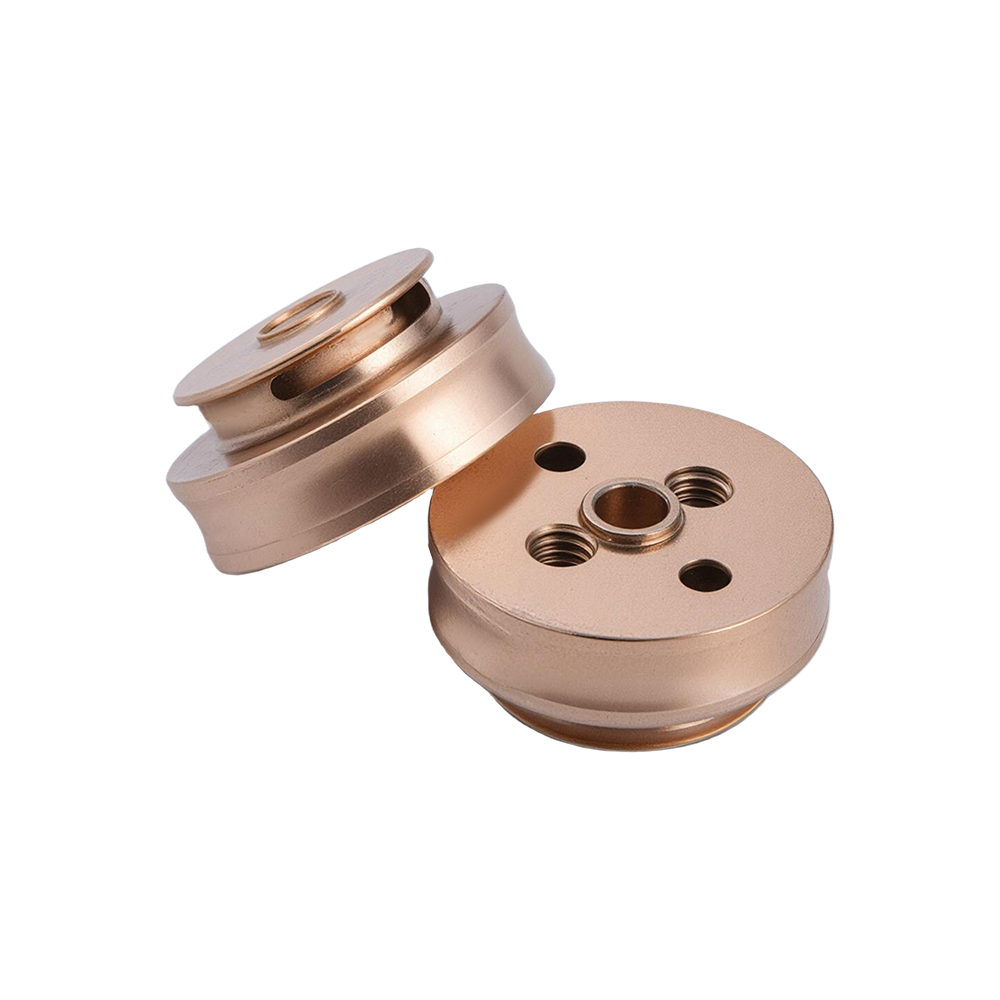
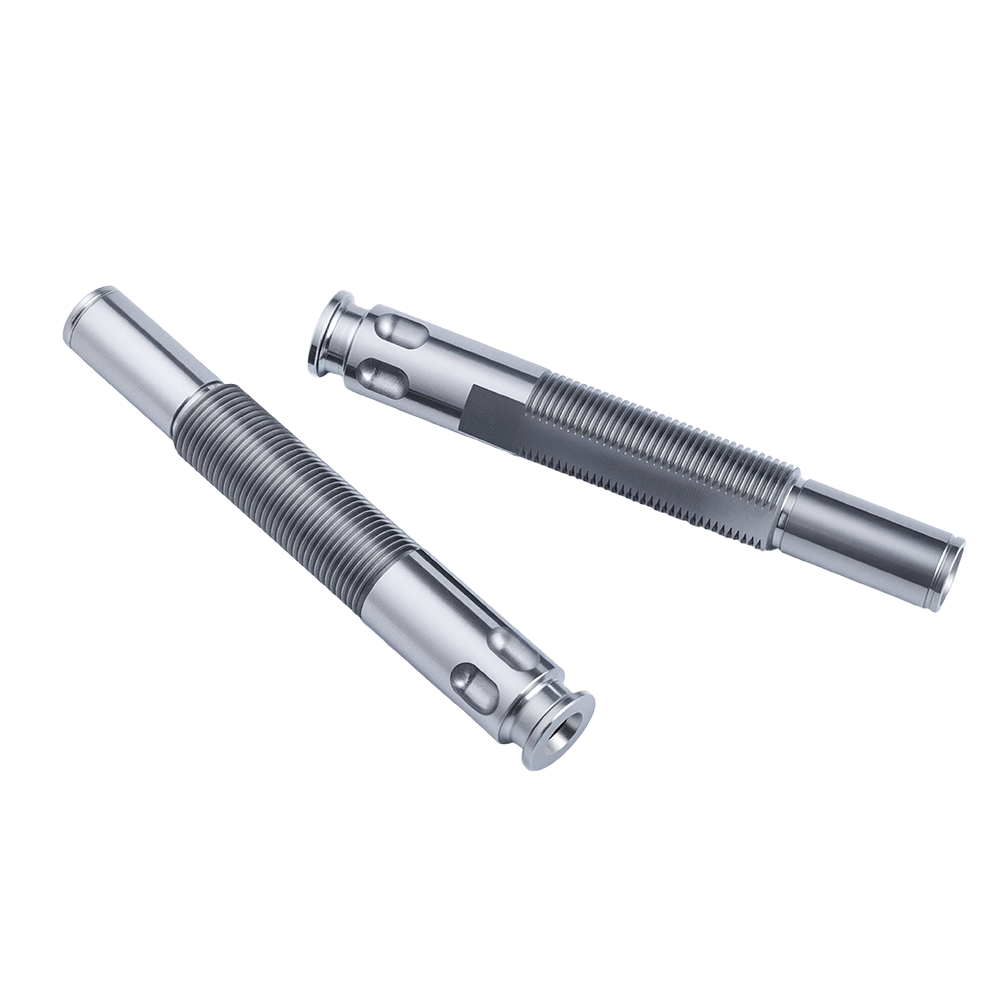
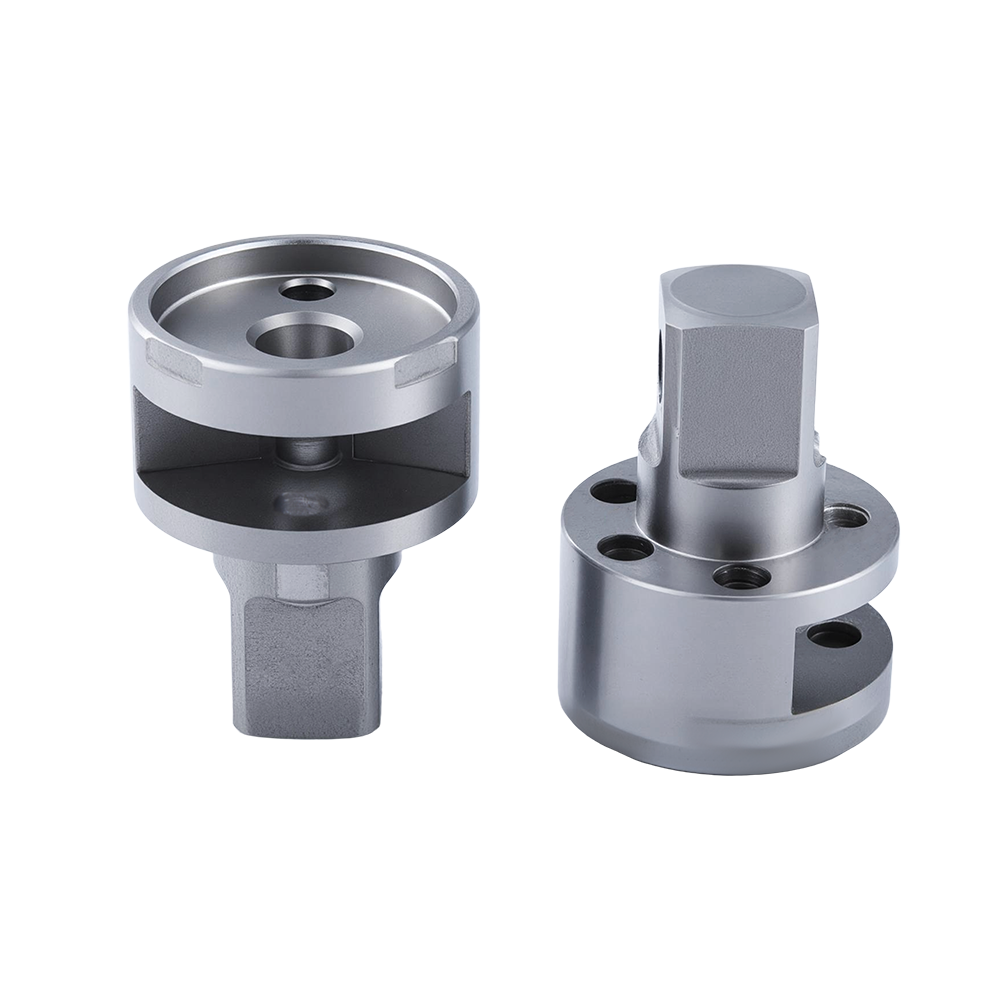
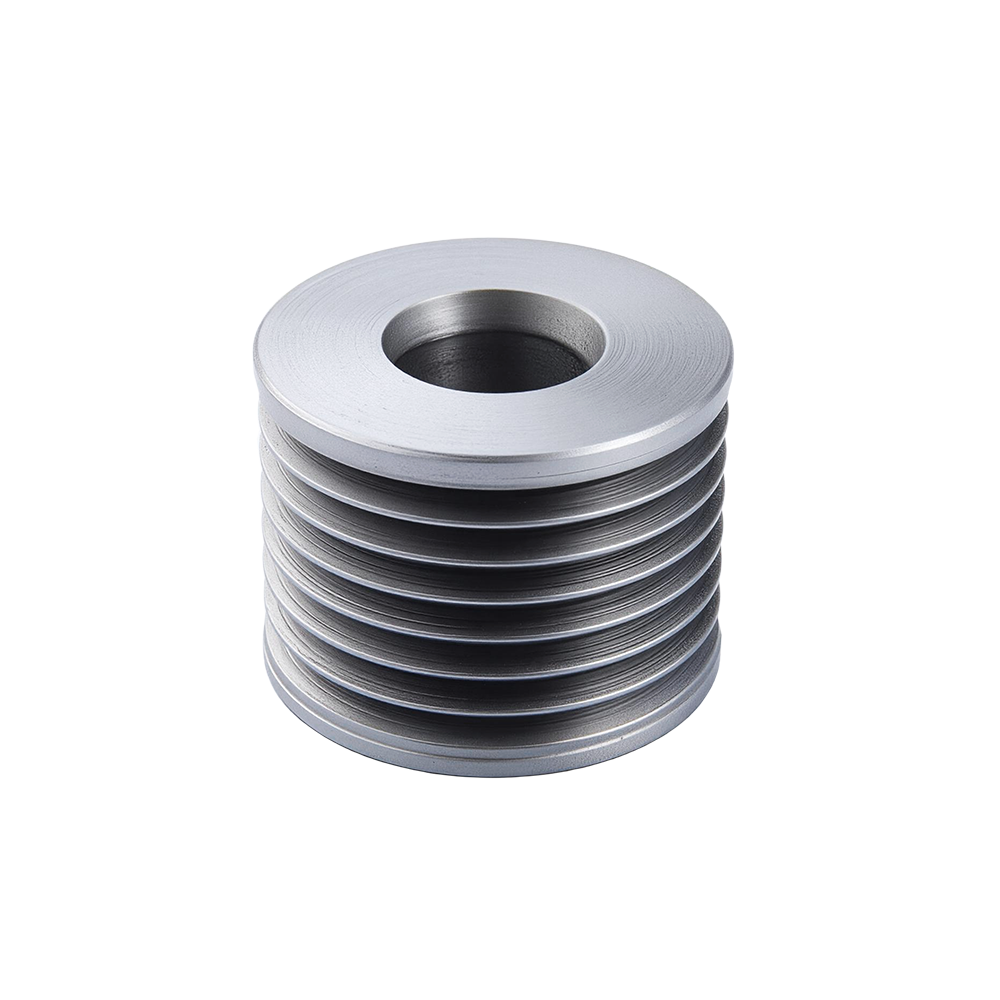
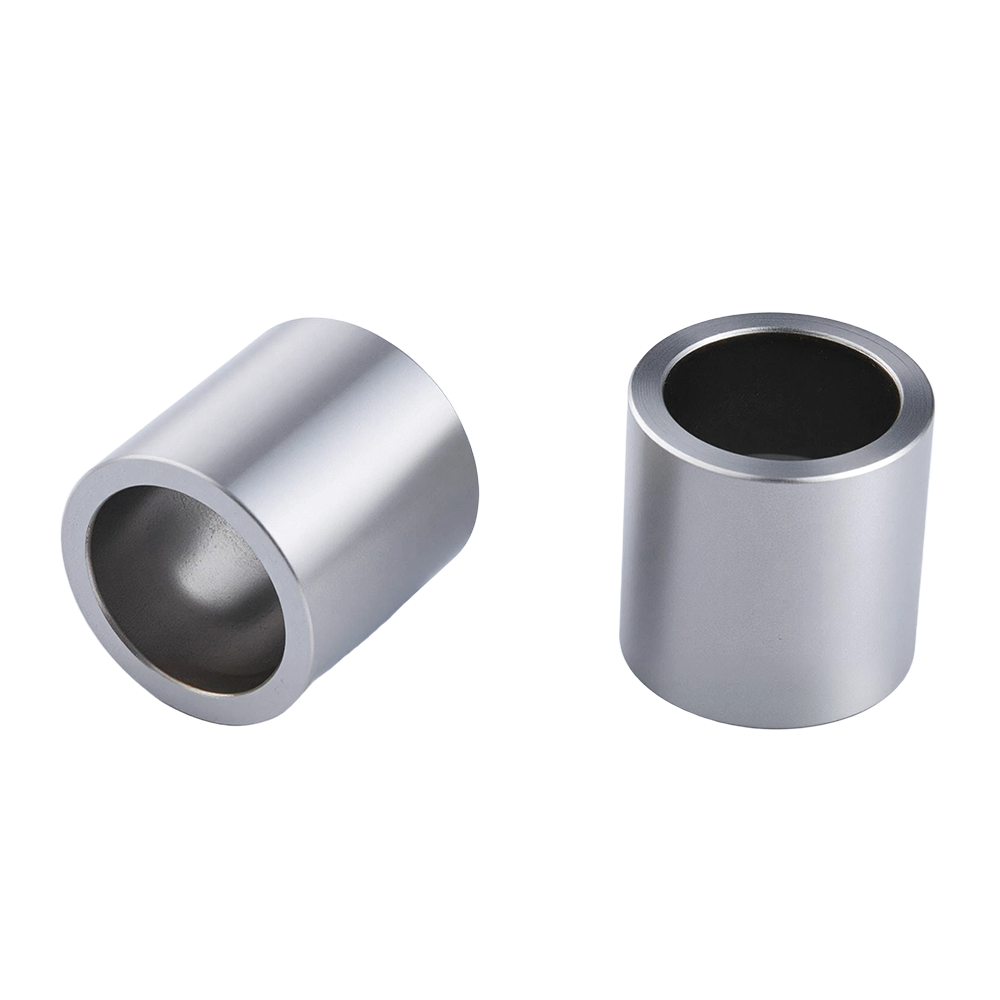
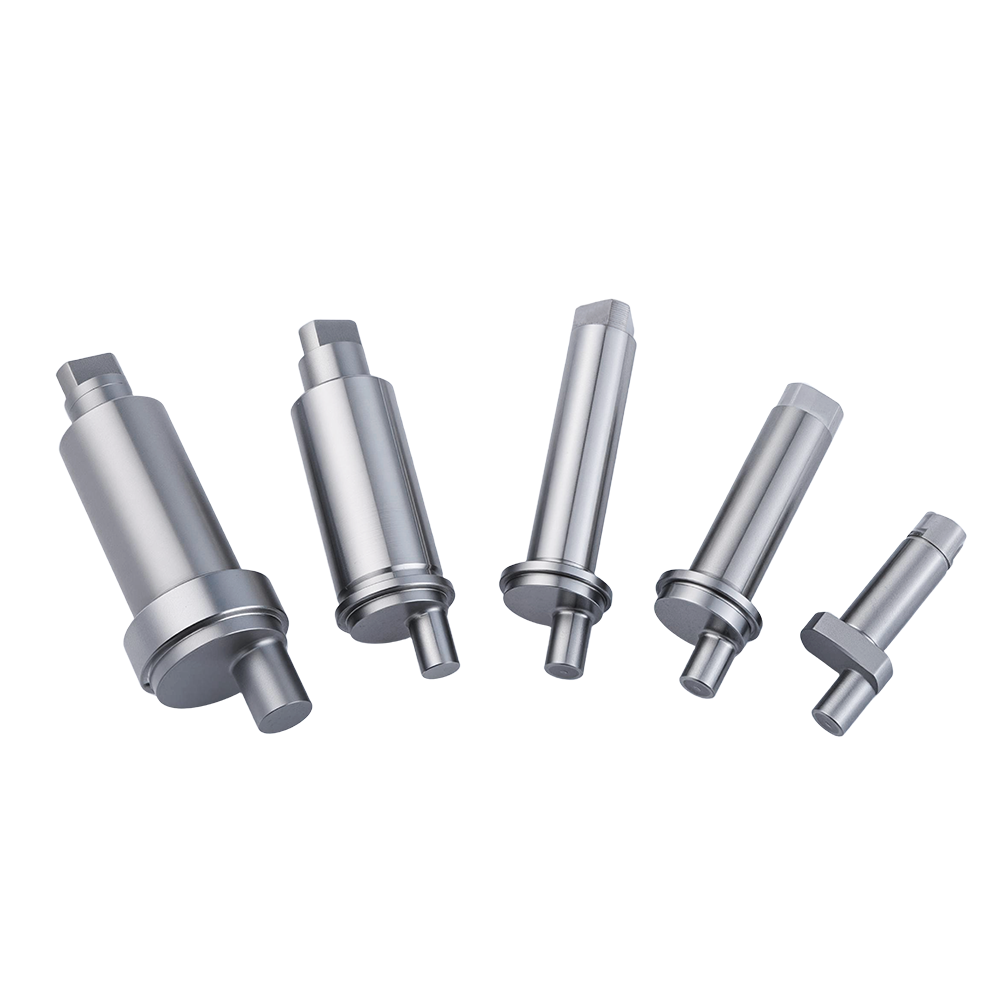
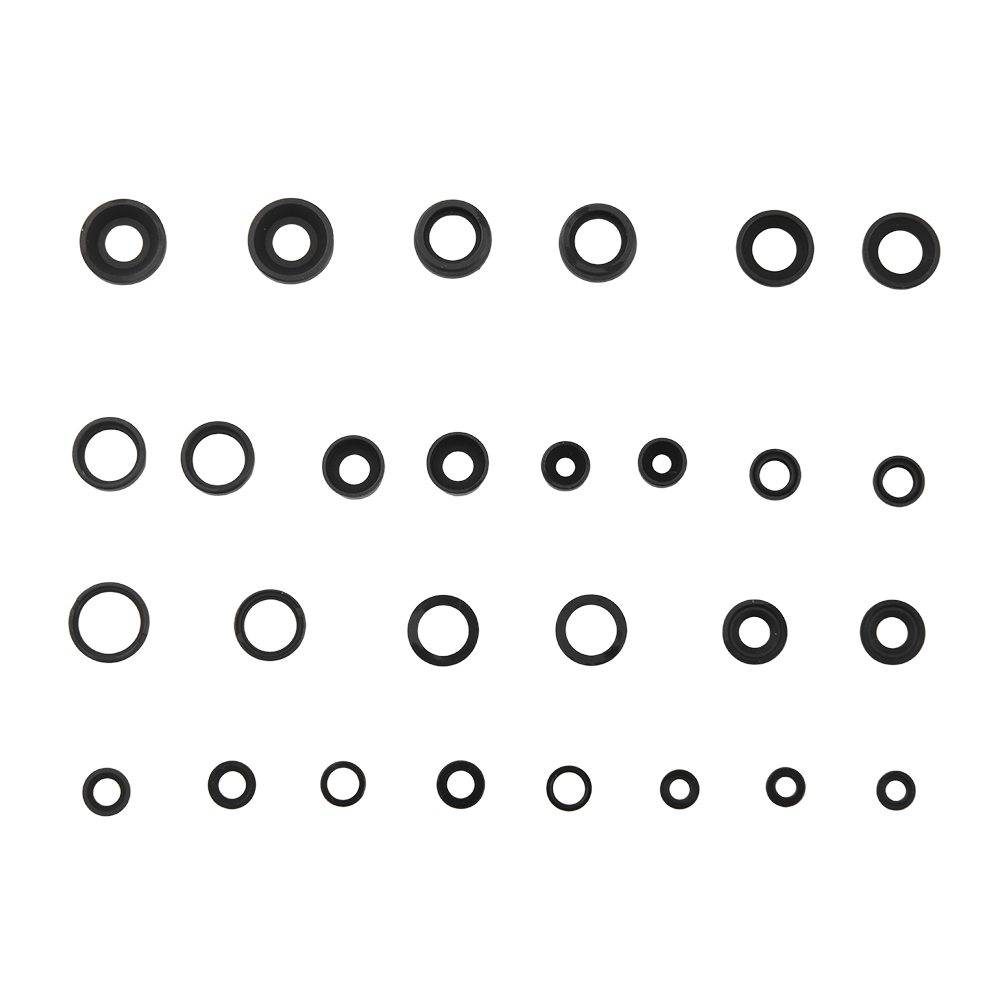
We specialize in the production of precision and general hardware parts, supplying supporting components for the automotive, machinery, medical, home appliance and other industries.
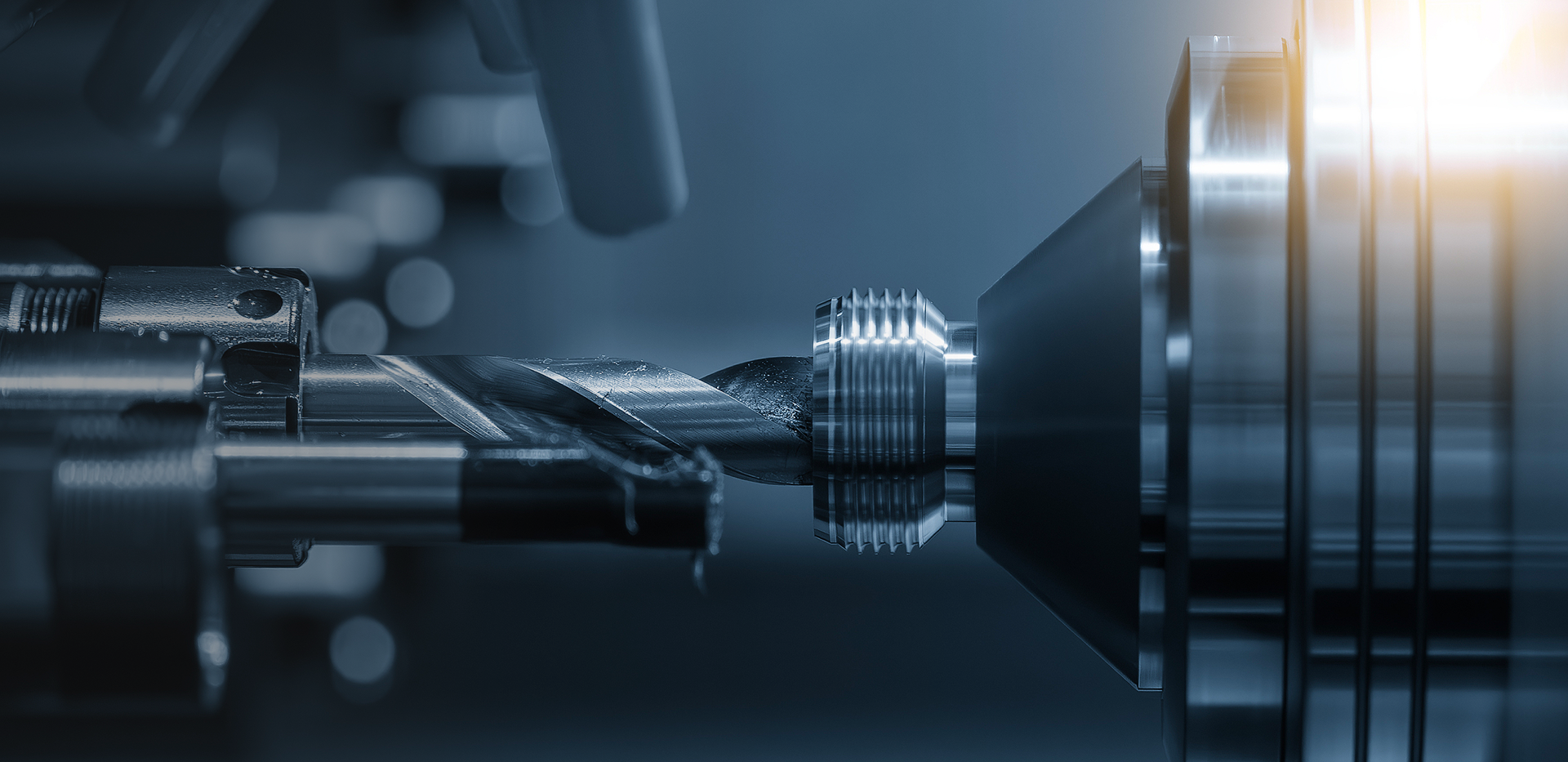
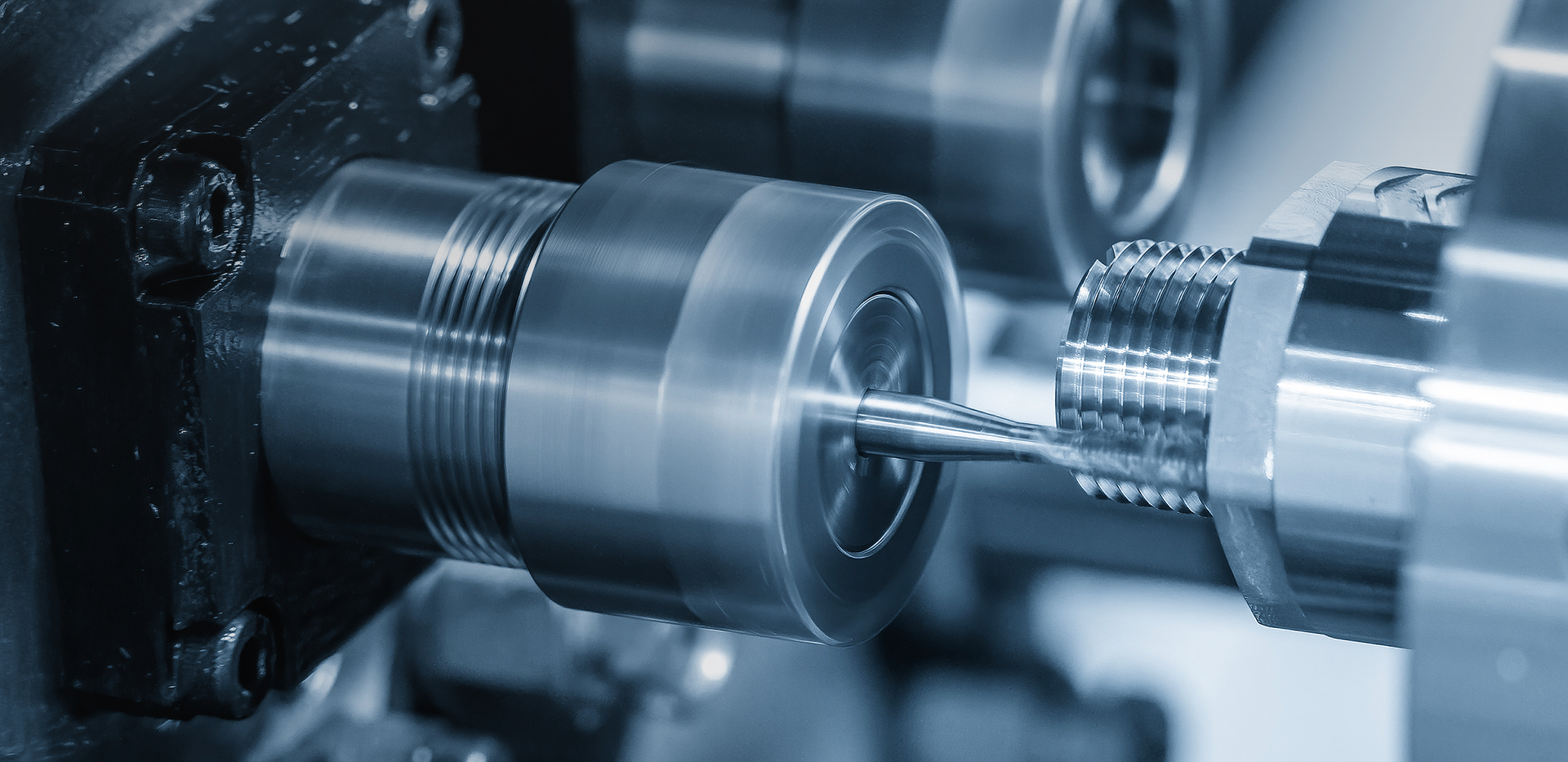
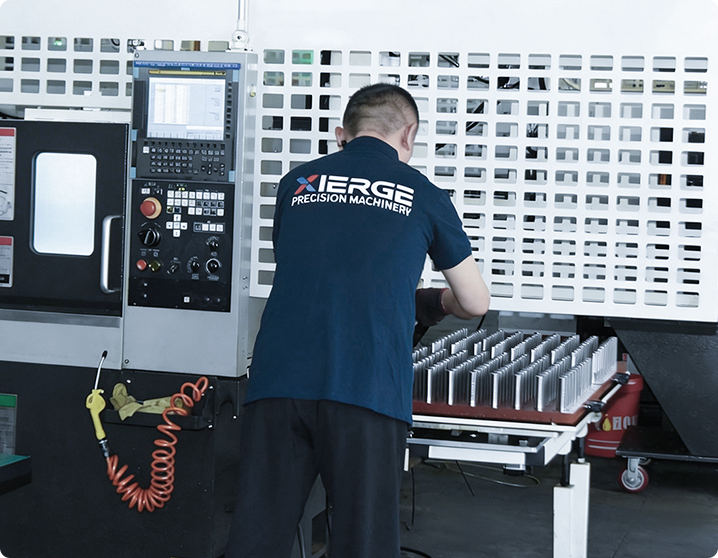
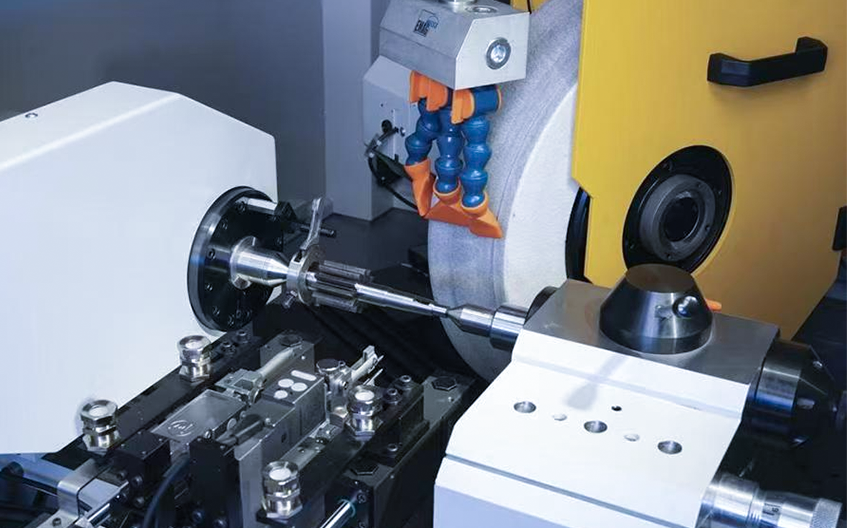
We are well-equipped with Japanese imported Star CNC Swiss-type lathes, domestic CNC lathes, machining centers, grinders, cleaning machines and other production equipment.
We specialize in manufacturing precision metal components and standard metal parts, offering supporting services for industries including automotive, liquid cooling, power tools and optical accessories.
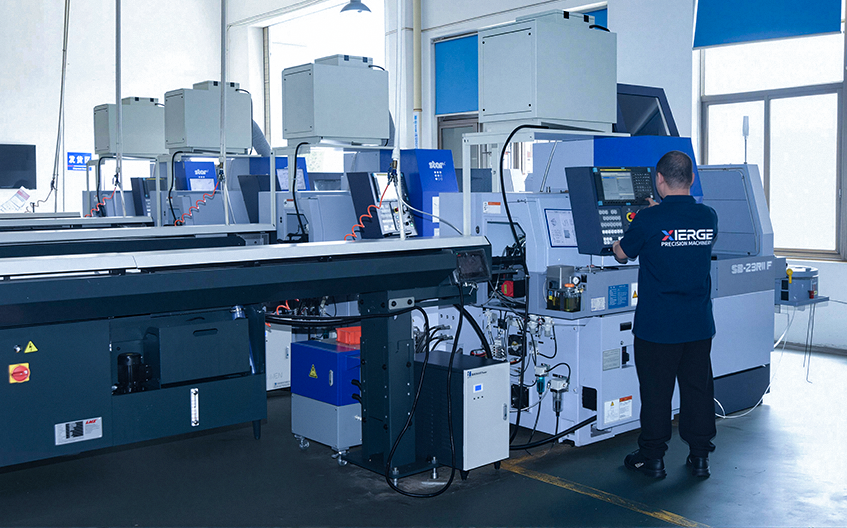
Driven by the rapid advancement of intelligent manufacturing technologies, CNC machining is evolving from digital control to intelligent control, which drives production mode upgrading and facilitates breakthroughs in product innovation.
The integration of intelligent technologies streamlines production with higher efficiency and accuracy. AI adaptive machining monitors cutting force and temperature in real time and adjusts machining parameters dynamically to extend tool life and reduce defective product rates. Predictive maintenance enables early warning of equipment faults, cutting unplanned downtime and maintenance costs. Digital twin technology constructs virtual machining models to simulate machining errors in advance, raising the yield rate and shortening the trial production cycle of new products.
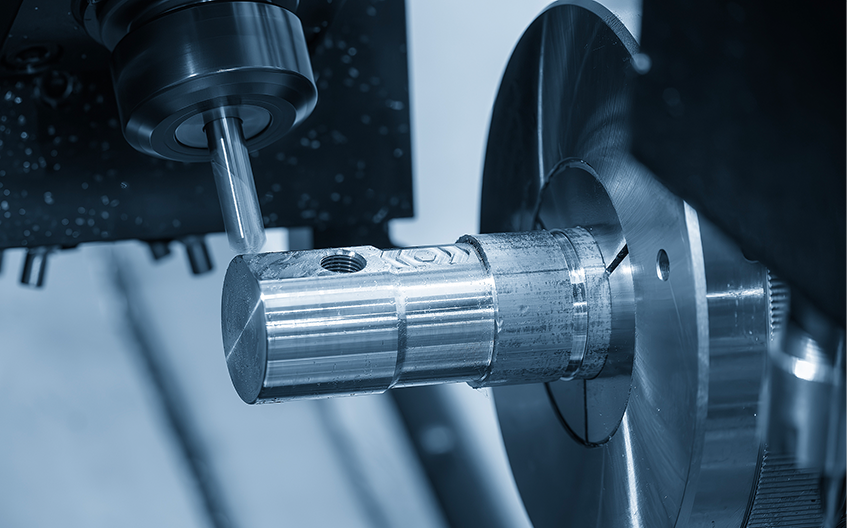
The maturity of multi-axis linkage and composite machining technologies makes the production of complex structural components feasible. Processes such as turn-milling, compound machining, and integrated 3D printing & cutting realize multi-process completion in a single clamping, greatly improving production efficiency and enabling the manufacture of more sophisticated products.
Meanwhile, green manufacturing has become mainstream. Energy-saving machine tools, minimum quantity lubrication technology, and waste recycling methods effectively cut energy consumption and pollution, and accelerate the upgrading of low-carbon and eco-friendly products. In the future, with the in-depth integration of artificial intelligence, Internet of Things, quantum sensing, and other technologies, CNC machining will achieve higher precision and higher efficiency production, empowering innovative research and development of various high-end products.
High precision constitutes the core competitive edge of CNC machining. Especially in aerospace, medical device, precision instrument, and other fields, even micron-level errors may impair product service performance. Hence, strict precision control stands as a core link in production.
Precision management needs to cover equipment, technology, environment, and full-range inspection. In terms of equipment, select machine tools equipped with closed-loop control systems and high-precision transmission parts, and conduct regular lubrication, cleaning, and calibration to reduce mechanical clearances and deformation. Technically, optimize machining routes to avoid tool marks caused by tool stops; adopt separated rough and finish machining for easily deformable workpieces to release internal stress and control dimensional deviation.
In clamping design, customize special fixtures to cut repeated clamping operations, and apply five-axis machining to realize one-step forming of multi-sided workpieces and reduce cumulative errors. Environmentally, build constant-temperature and constant-humidity workshops to mitigate the impact of temperature and humidity fluctuations on materials and equipment, preventing precision deviation induced by thermal expansion and contraction.
Furthermore, establish a closed-loop inspection system covering first-piece inspection, in-process patrol inspection, and full-dimensional final inspection. Deploy coordinate measuring machines and other precision testing equipment to detect key dimensions accurately and correct deviations promptly, to ensure all finished products conform to drawing standards and maintain stable and consistent product precision.
The quality of CNC-machined products is fundamentally determined by proper material selection and matching. Differences in machinability and mechanical properties of various materials directly affect machining processes, production efficiency, and final service performance of finished products.
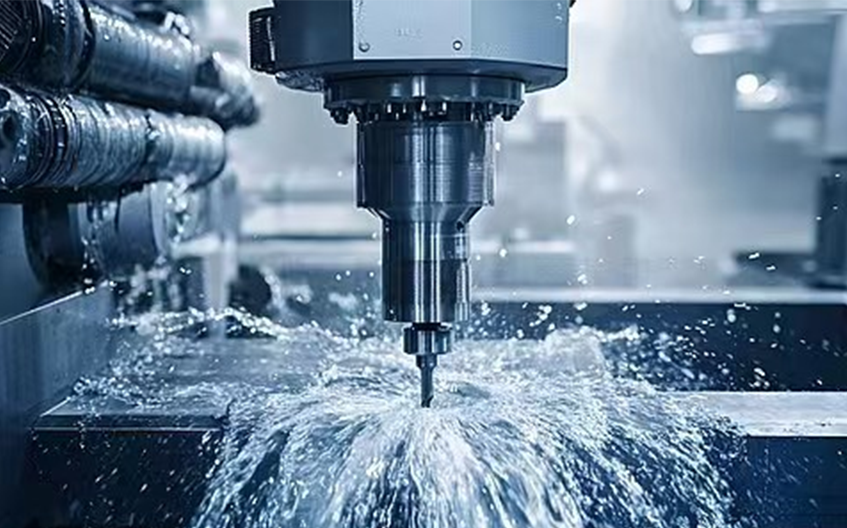
Metallic materials dominate CNC machining applications. Carbon steel features high cost performance and excellent machinability, ideal for general structural parts. Alloy steel boasts high strength and good toughness, and can be made into high-precision and high-strength components after heat treatment. Stainless steel offers superior corrosion and high-temperature resistance yet poses greater machining difficulty, requiring proper tool selection and effective cooling measures. Aluminum alloy is low-density with good thermal conductivity and high machining efficiency, widely used for lightweight component manufacturing. Special metals, including titanium alloy and nickel-based superalloys, possess outstanding heat and corrosion resistance but are extremely hard to machine, demanding dedicated processes and cutting tools.
Non-metallic materials are applied in specific scenarios: acrylic for optical parts, nylon for wear-resistant components, and carbon fiber composite materials for high-end lightweight manufacturing. During material selection, manufacturers shall combine product application scenarios, precision standards, and mechanical performance requirements with corresponding machining techniques to lower production difficulty and ensure products meet design specifications.
In CNC machining production, efficiency improvement not only expands production capacity but also effectively cuts production costs and shortens delivery cycles, serving as a key pillar for sustaining manufacturing competitiveness. Most machining enterprises are plagued by excessive idle travel time, clamping losses in multi-process operations, and redundant tool paths in actual production, which can be well resolved via scientific process optimization.
Rational division of machining procedures lays a solid foundation. Processes can be arranged based on tool grouping, machining content, and separation of rough and finish machining to reduce tool changes, positioning errors, and idle running time. Optimize workpiece clamping methods by adopting one-time clamping technology, rapid clamping fixtures, and flexible tooling to minimize clamping times and adjustment steps and enhance repetitive positioning accuracy. Meanwhile, optimize tool setting points and tool paths, and apply high-speed cutting, trochoidal milling, and other efficient machining strategies to maximize material removal rate while guaranteeing tool service life and product quality.
In addition, regular equipment maintenance and calibration to ensure the stability of precision components such as ball screws and linear guides are essential for efficiency elevation. This enables seamless connection of all machining procedures and balances processing speed and operational stability.