Machinist symbols can look like a foreign language when you open a production drawing for the first time. After more than three decades of machining precision components, we can tell you that the most expensive mistakes rarely come from complex geometries. They come from small symbols read incorrec...
Steel turned parts rarely get noticed. They sit inside a shock absorber, a liquid-cooling manifold, a power tool gearbox, or an optical instrument, quietly holding a shaft on centre, seating a valve, or keeping a lens at exactly the right distance. Once the product is assembled, nobody sees them ag...
CNC Turning and Precision Metal Parts Manufacturing
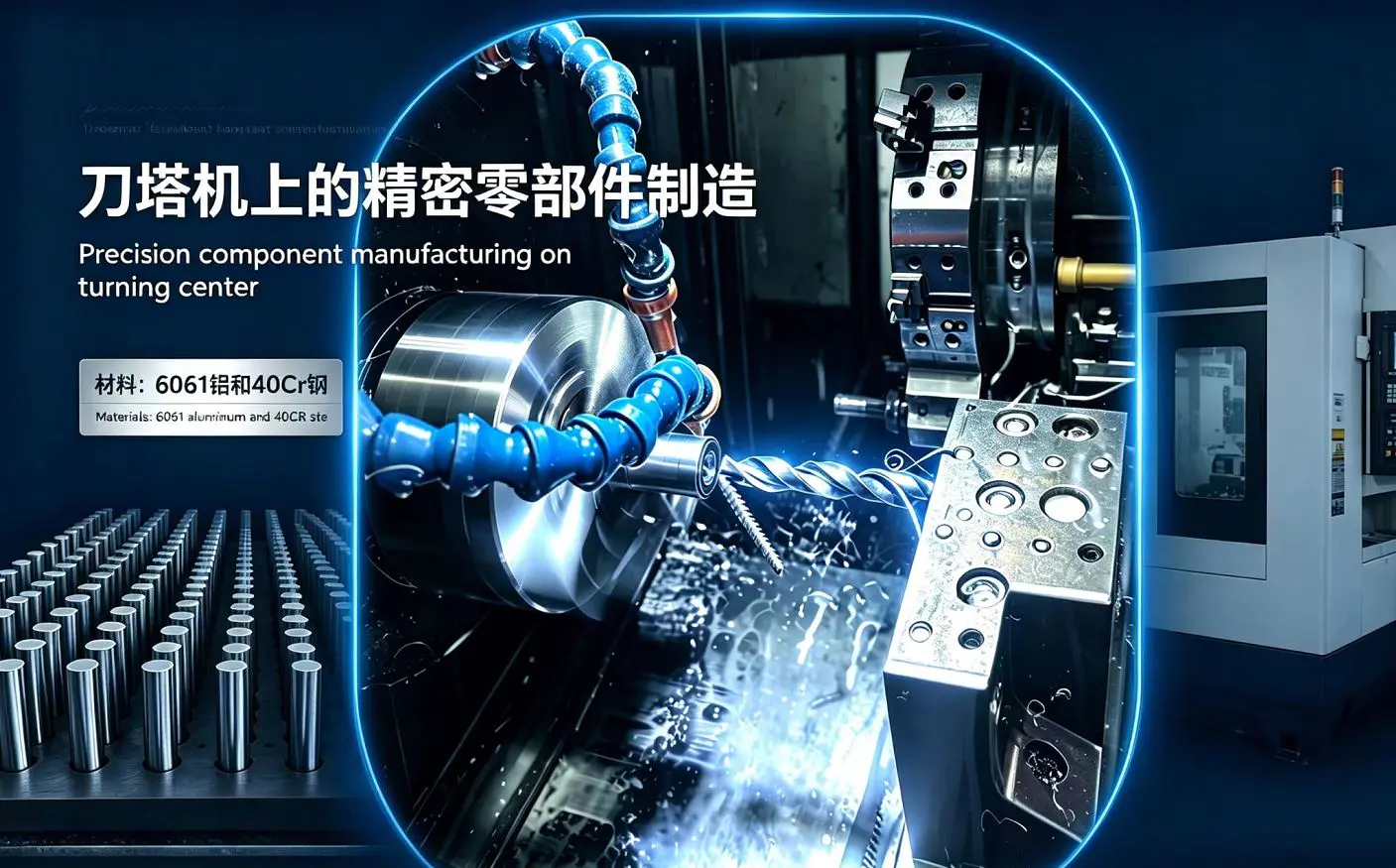
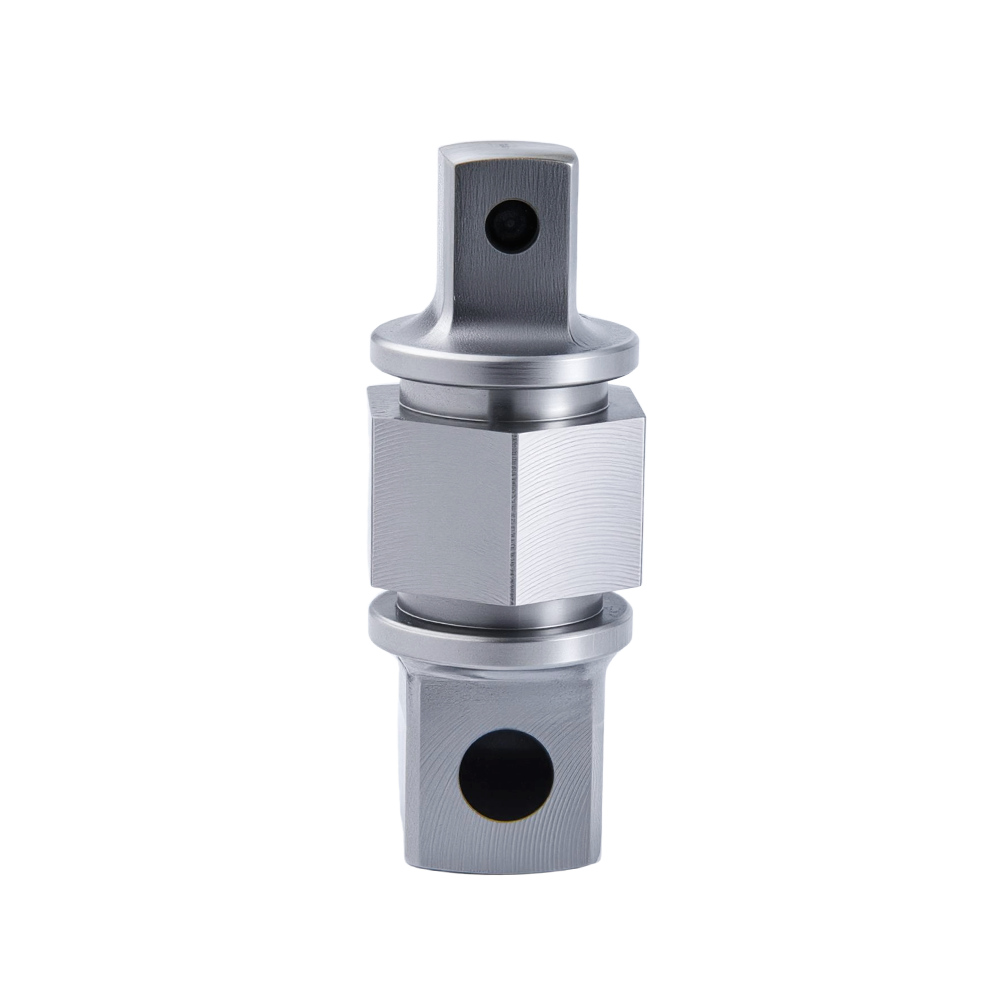
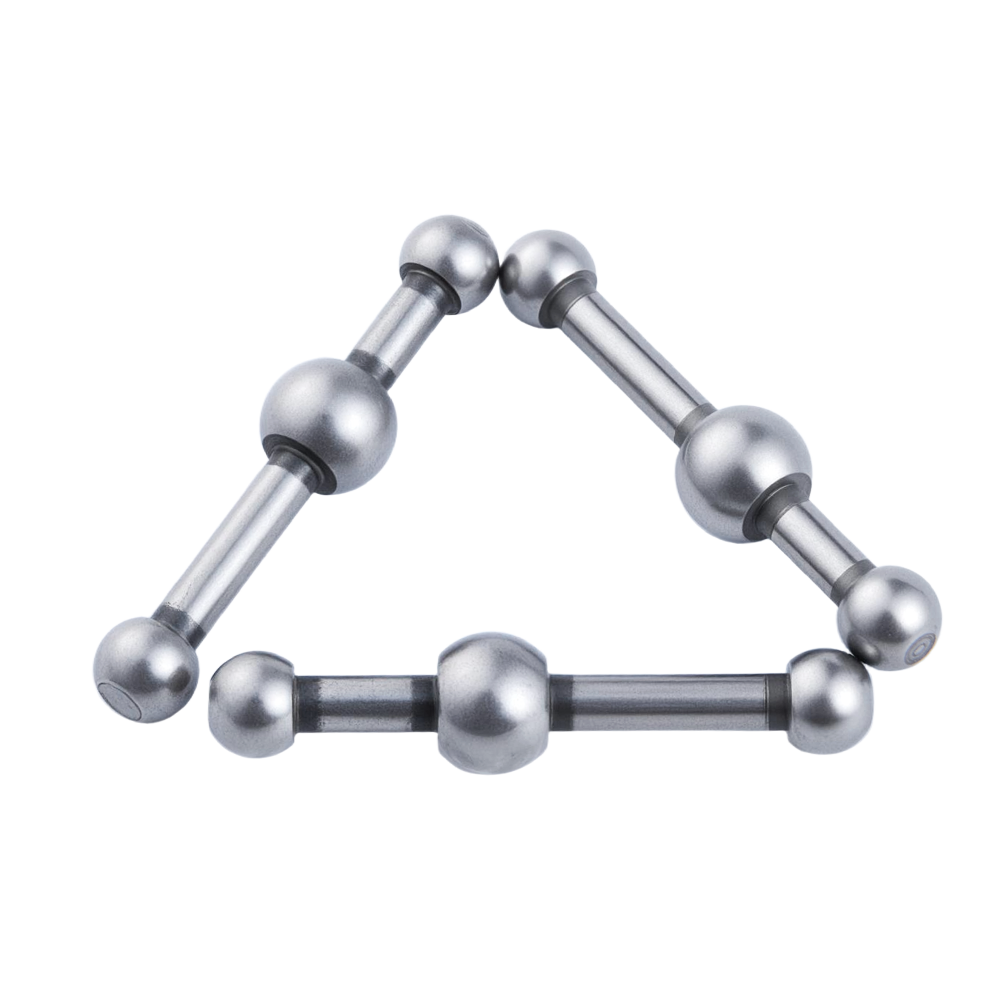
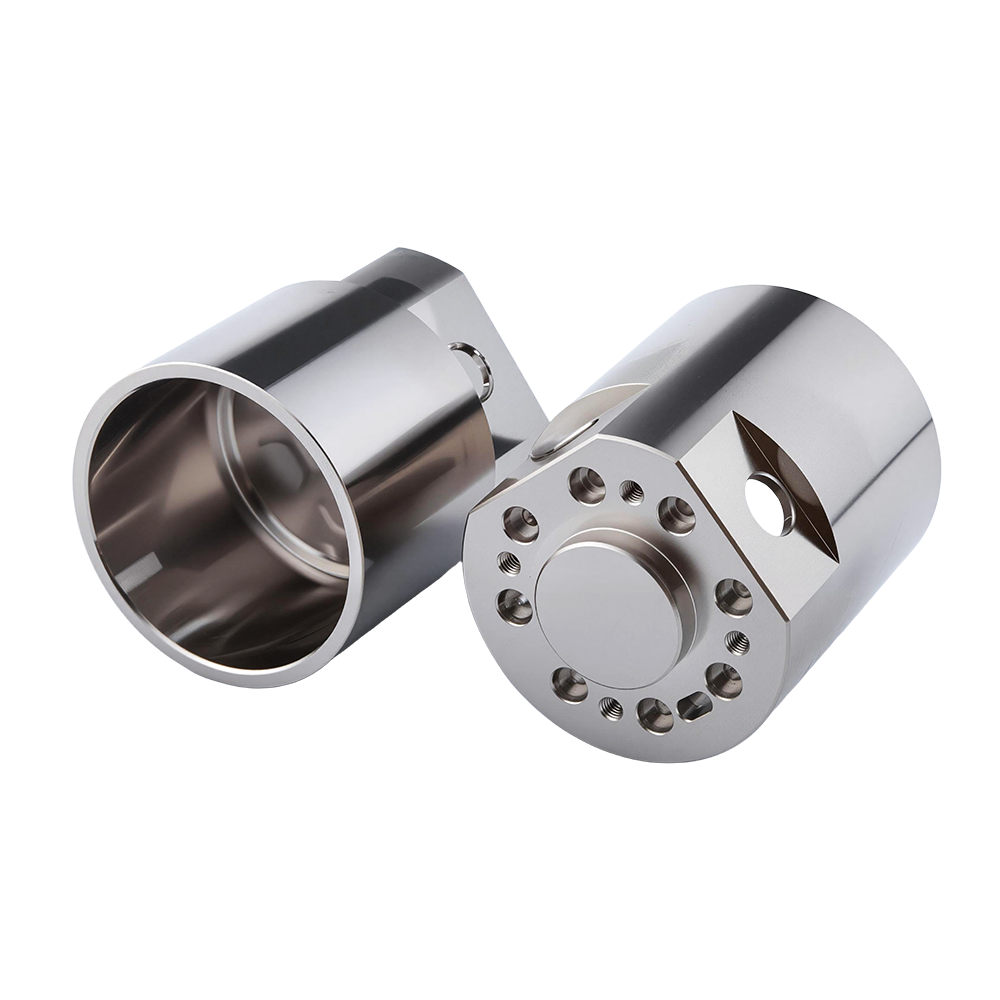
Precision CNC machining is an essential process for manufacturing metal components used in a wide range of industrial applications. From aluminum parts to alloy steel components, each material requires appropriate machining parameters, cutting tool...
If you have ever stared at a drawing wondering whether the finishing note should read "chem film" or "anodize," you are in good company. The two finishes get compared constantly, and the honest answer is that they are not really competing for the same job. They protect aluminum in different ways, a...
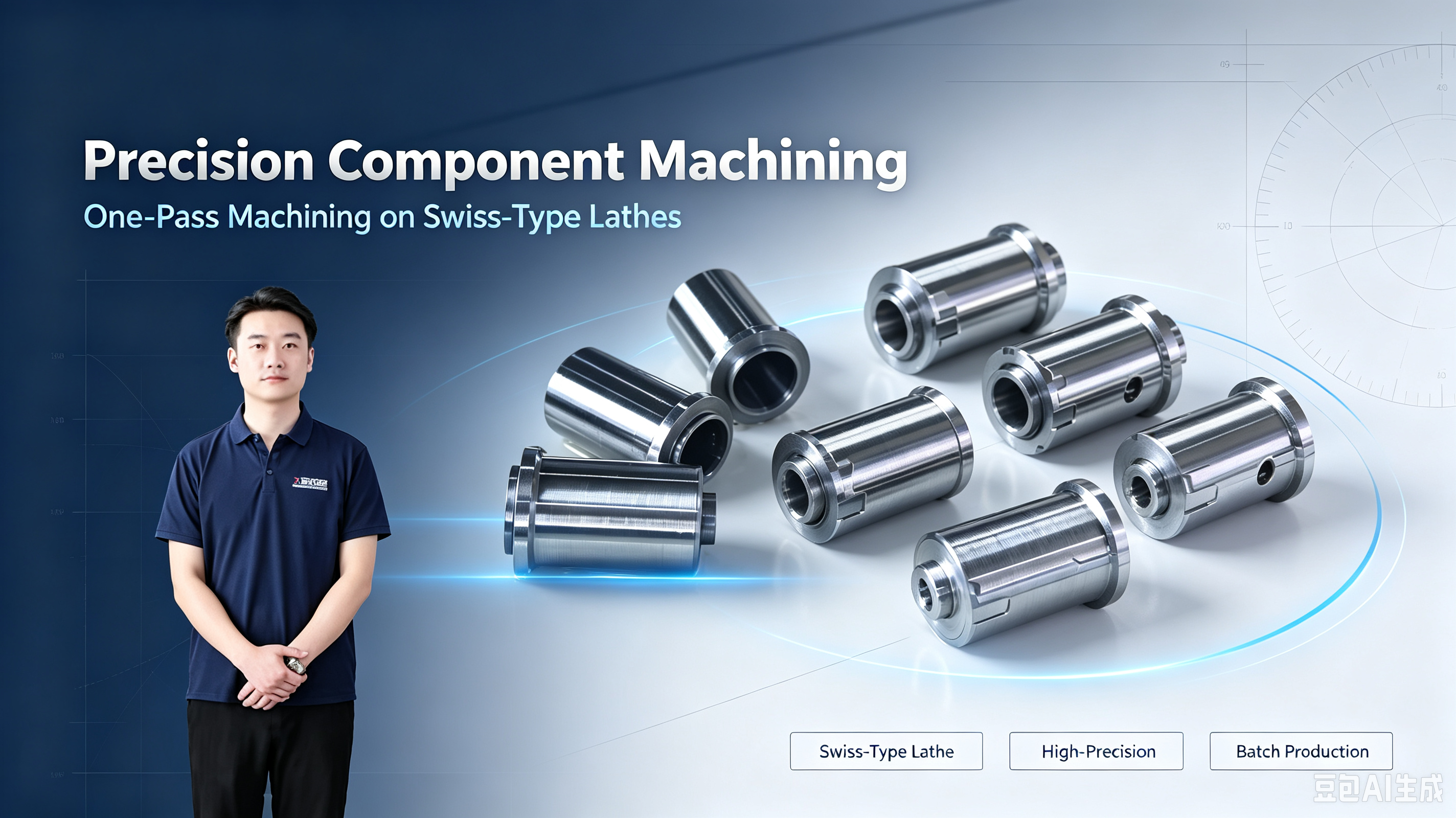
When a component must be small, precise, and produced in volume, aluminum Swiss screw machined parts are often the best answer. The Swiss-type lathe was developed for a challenge that ordinary turning struggles with: holding long, slender workpieces with exceptional rigidity while cutting complex f...
Designing for CNC machining is not simply about creating a 3D model that looks right. It is about making sure that every wall, hole, corner, and tolerance can be produced accurately, repeatedly, and economically. At Xierge Precision Machinery, we have spent more than three decades machining precisi...
Every confident start on a winter morning, every quiet stretch of highway, every smooth brake application depends on hundreds of small metal parts doing their jobs without complaint. That is the world we have worked in at Xierge Precision Machinery for more than three decades—turning customer drawi...
Inside Swiss-Type CNC Machining: From Raw Material to Finished Part
Swiss-type CNC lathes are widely used for machining small-diameter, high length-to-diameter ratio parts, thanks to their ability to combine multiple operations in a single setup. From bar stock feeding to final inspection, each stag...
A water block can pass every dimensional report and still drip on the test bench, because its O-ring groove came off the machine a few hundredths of a millimeter oversize. Situations like this are why liquid cooling hardware is unforgiving to machine: coolant circulates within millimeters of heat s...
A precision CNC machining part earns its name on the production floor, not in a brochure. The test is simple to state and hard to pass: does the part hold its specified dimension — often within ±0.01 mm, and within a few microns after grinding — on piece 5,000 as reliably as it did on the first art...
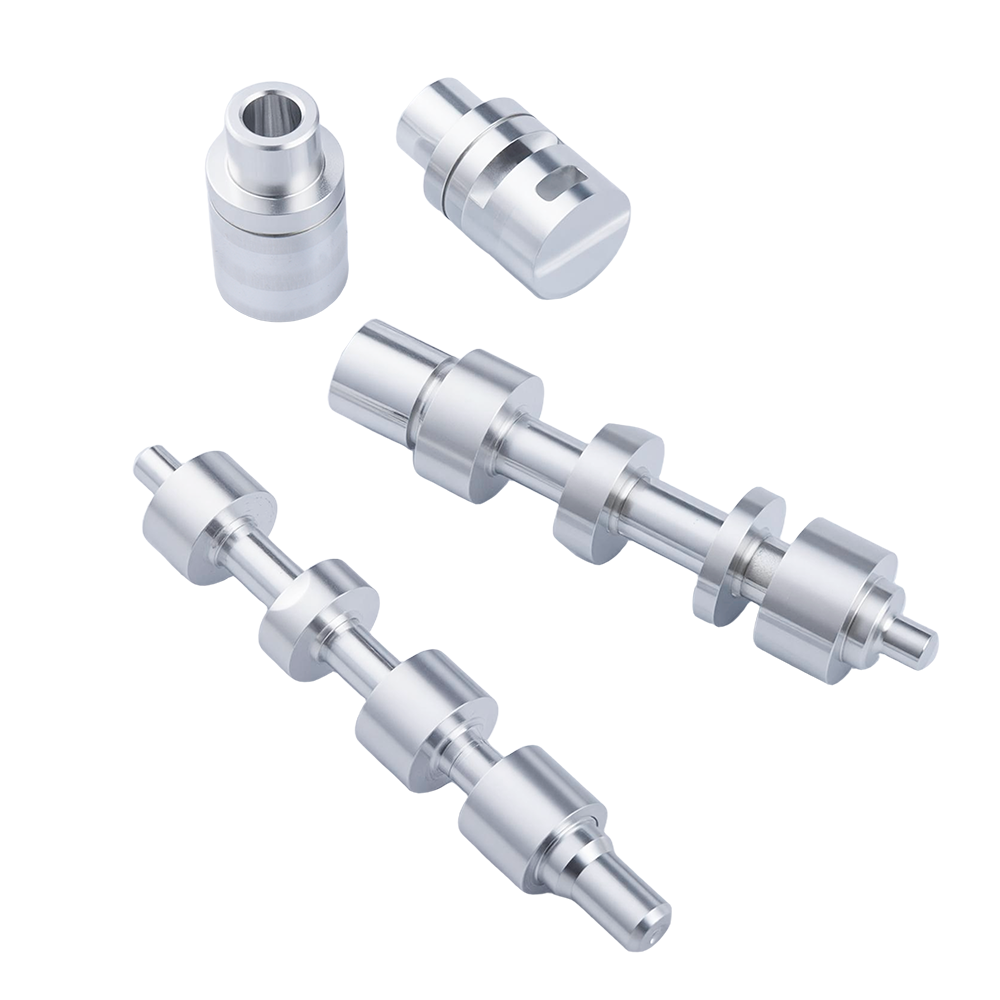
When a power tool design moves from prototype to production, the parts that typically cause trouble are the small rotary and housing components: motor shafts, transmission shafts, spline shafts, valve sleeves, and housings that need to hold a tight tolerance across a long run. The sourcing question...
What CNC Precision Machining Brings to Automotive Parts
CNC precision machining matters for automotive parts because it removes material from a solid workpiece according to a programmed digital path, allowing dimensions to be repeated within very tight tolerances across thousands of identical piece...