


 English
  中文简体
中文简体 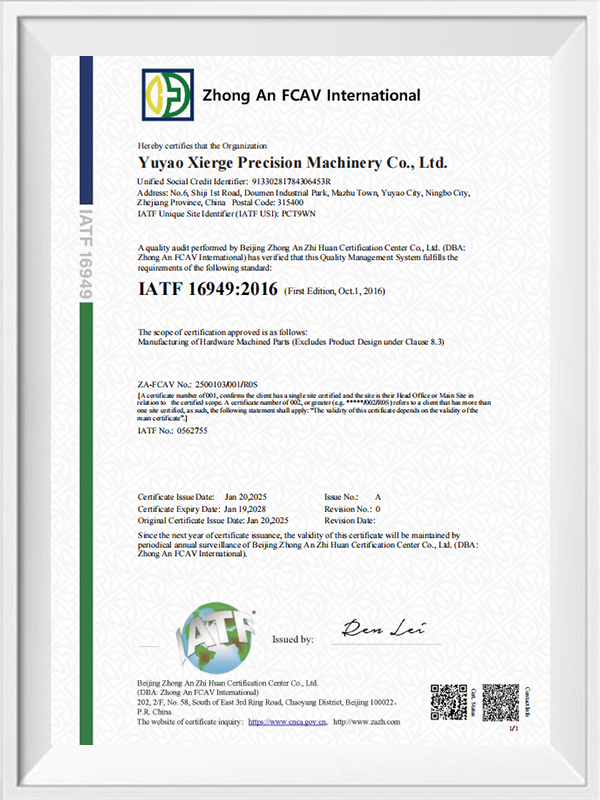
Machinist symbols can look like a foreign language when you open a production drawing for the first time. After more than three decades of machining precision components, we can tell you that the mos...
READ MORE
CNC Precision Machined Automotive Parts Manufacturers
-
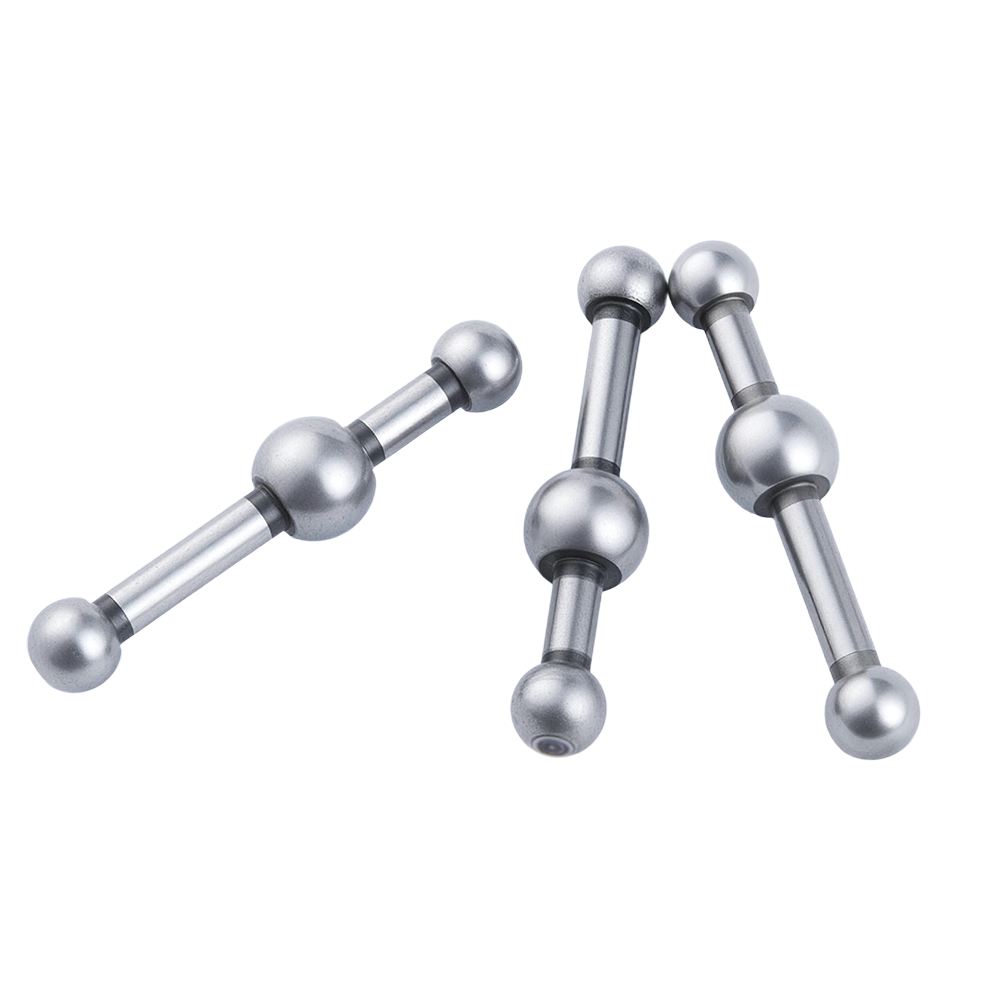
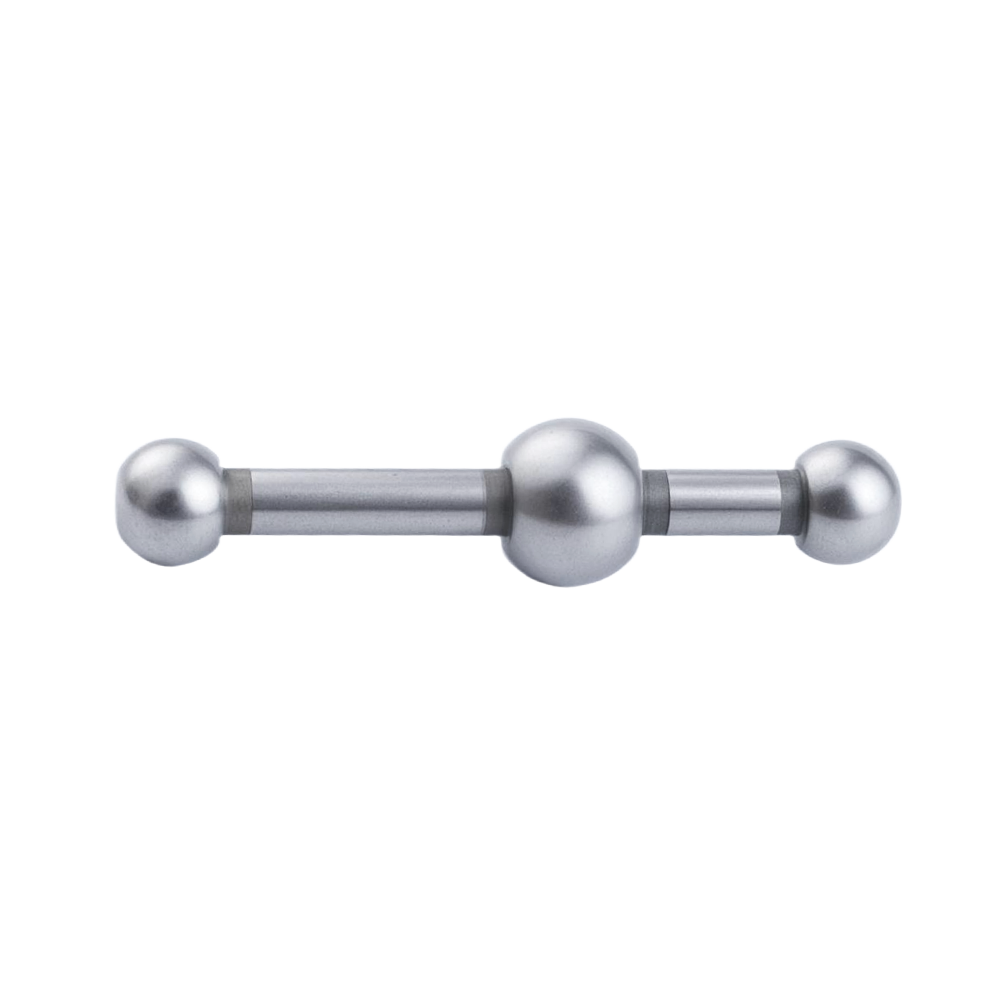
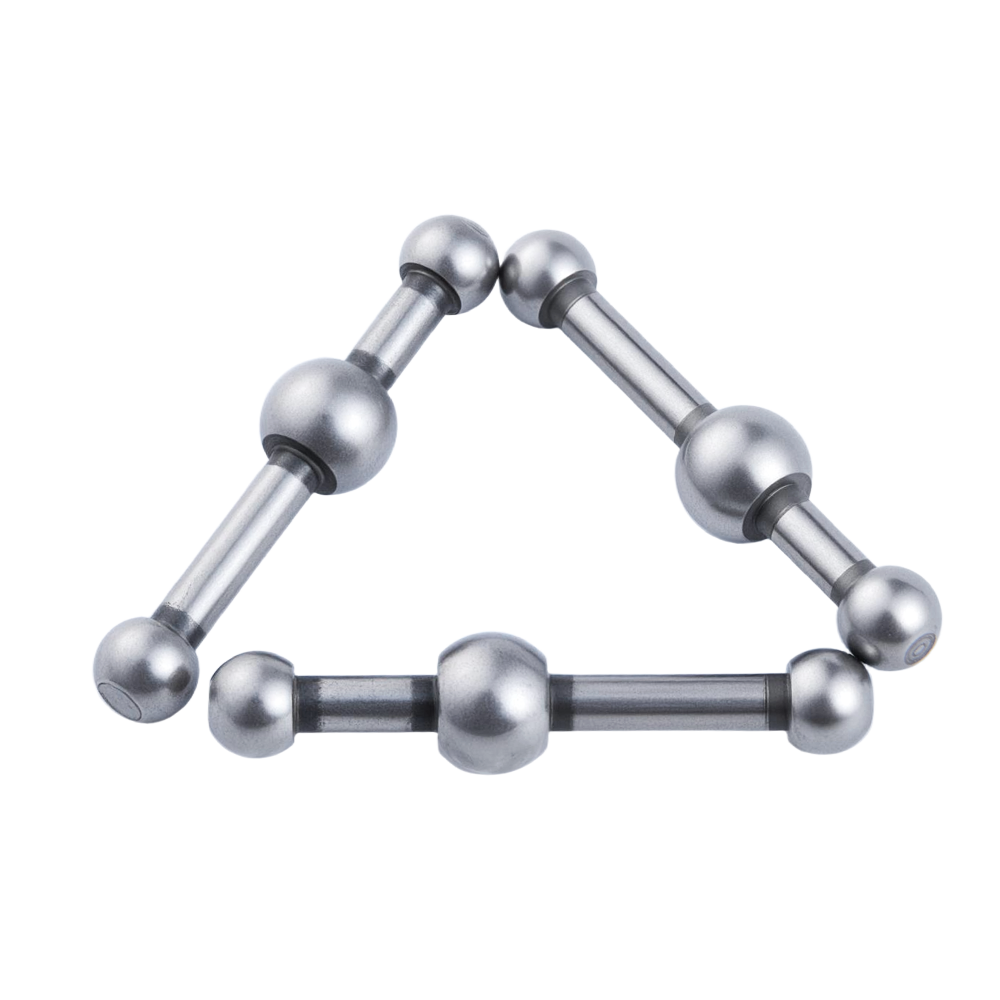
 CNC Automotive Precision Machined Locating Pin
Material: 20CrMo
Treatment: Carburize + Vibratory finish
-
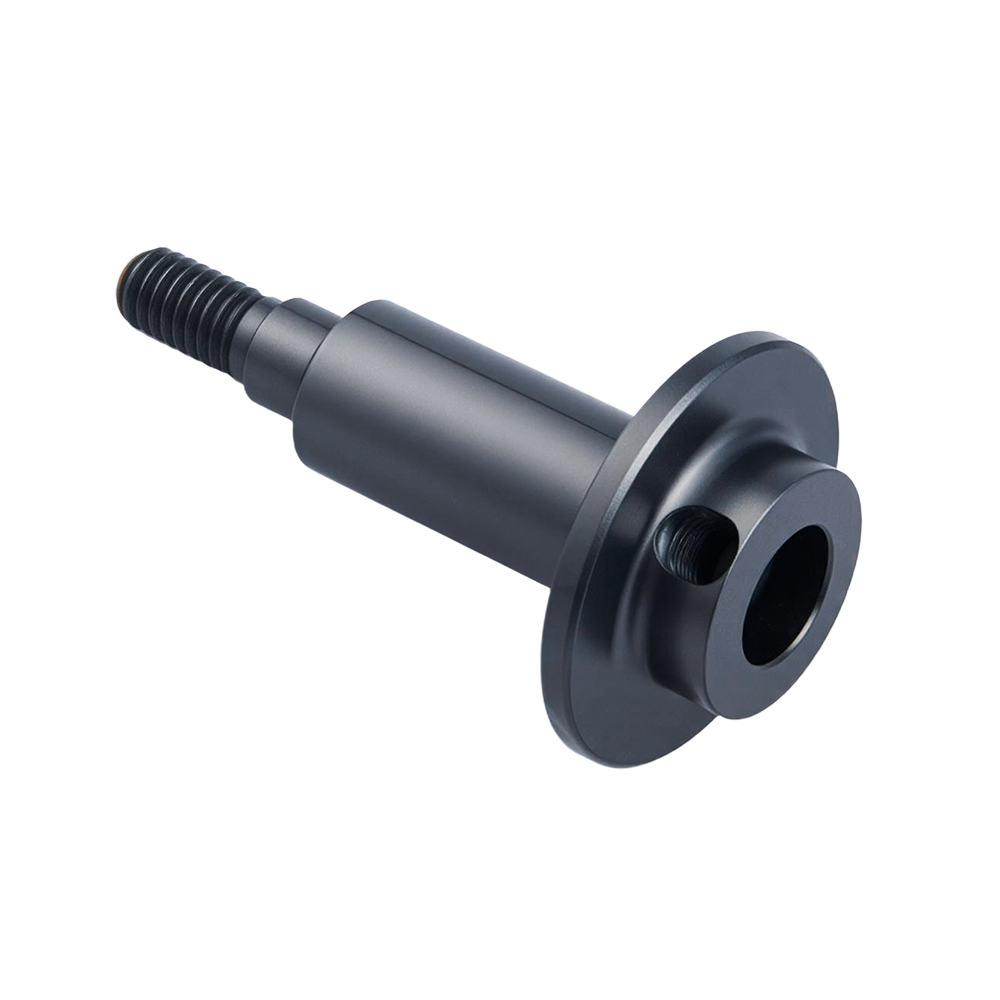
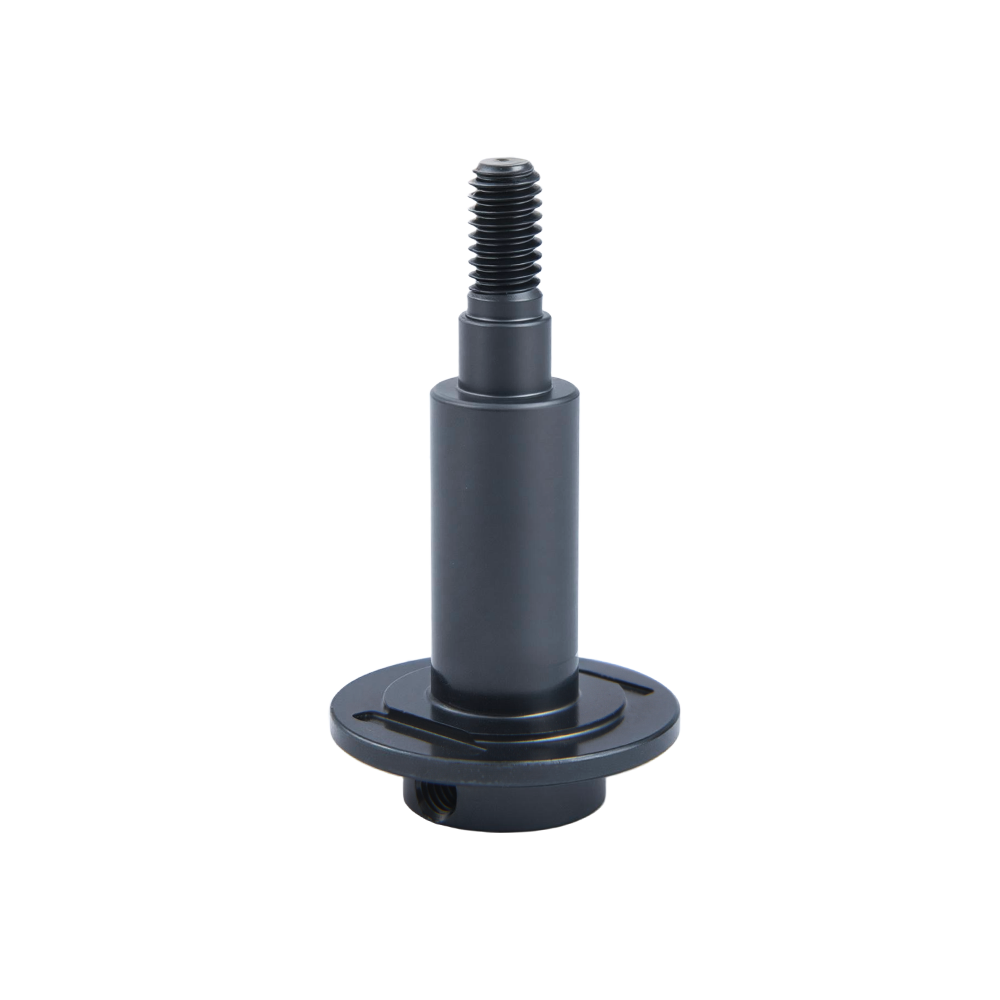 CNC Automotive Precision Machined Adjustment Bolts
Material: Aluminum
Finish: Black anodizing
-
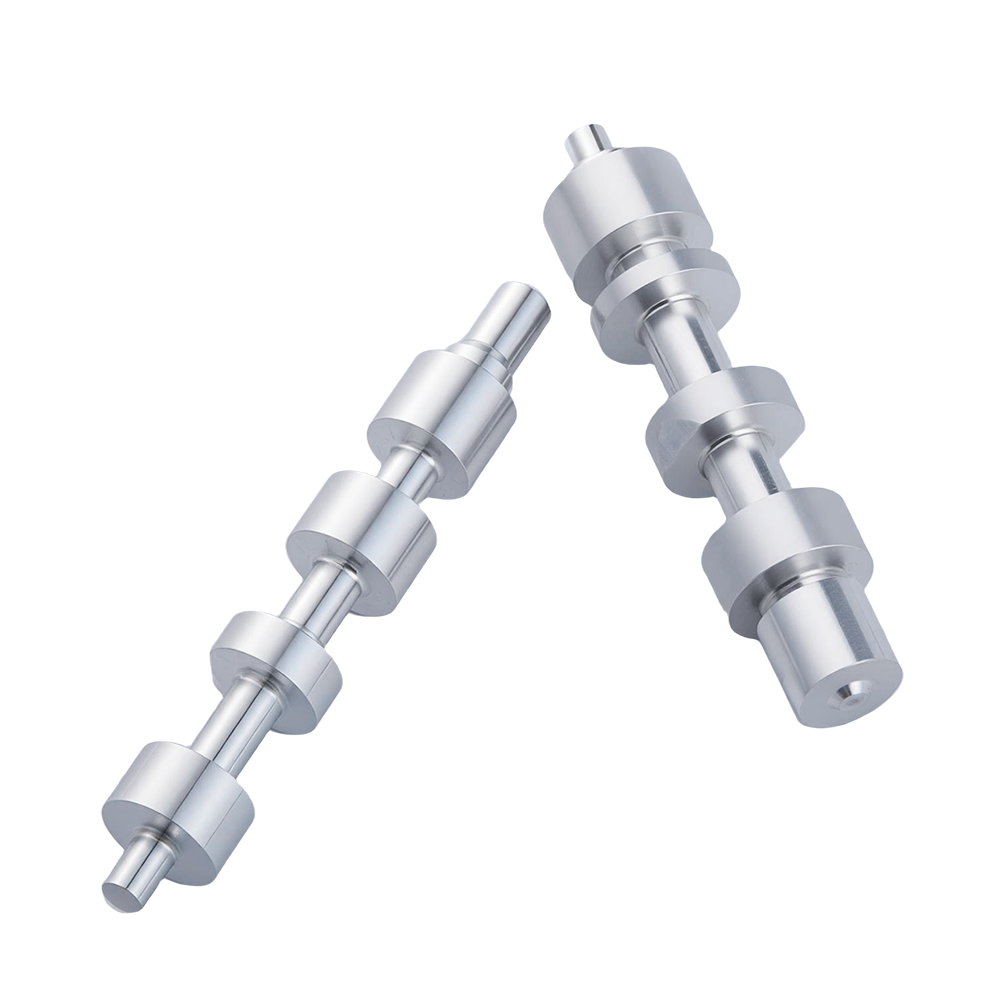
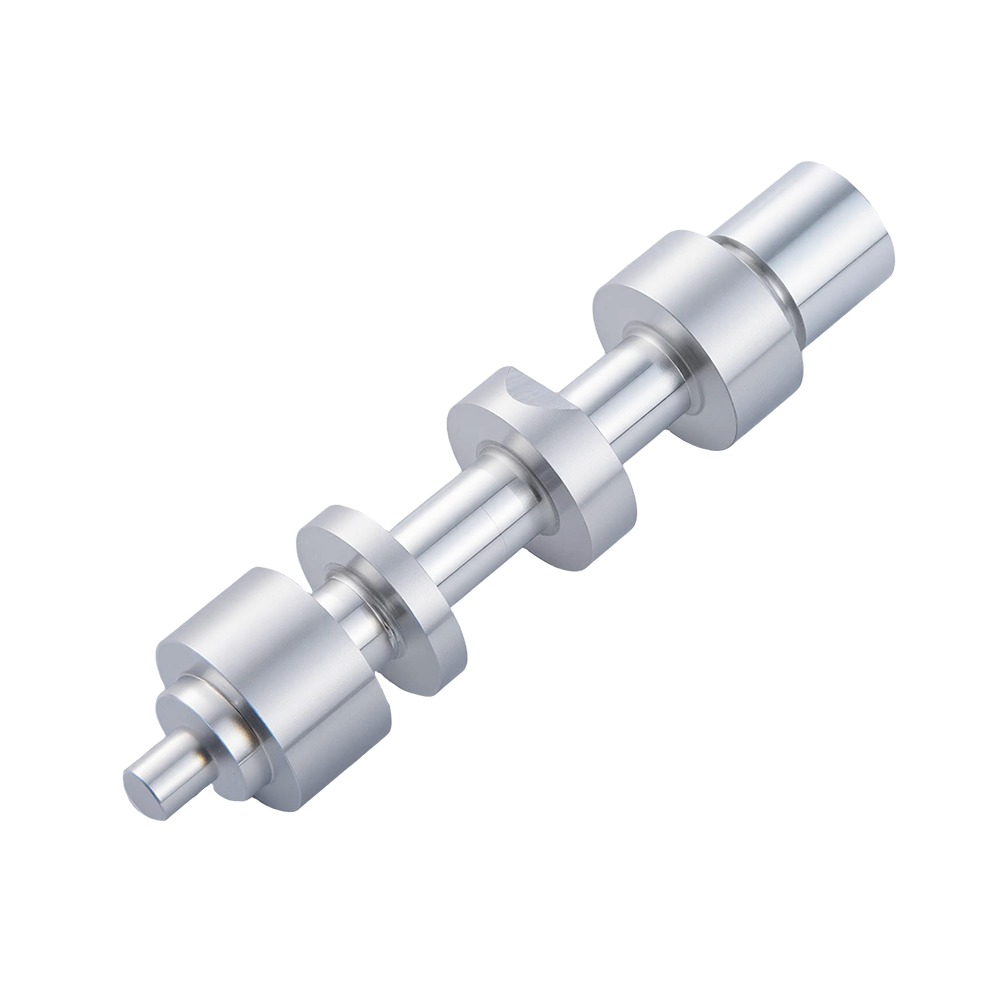
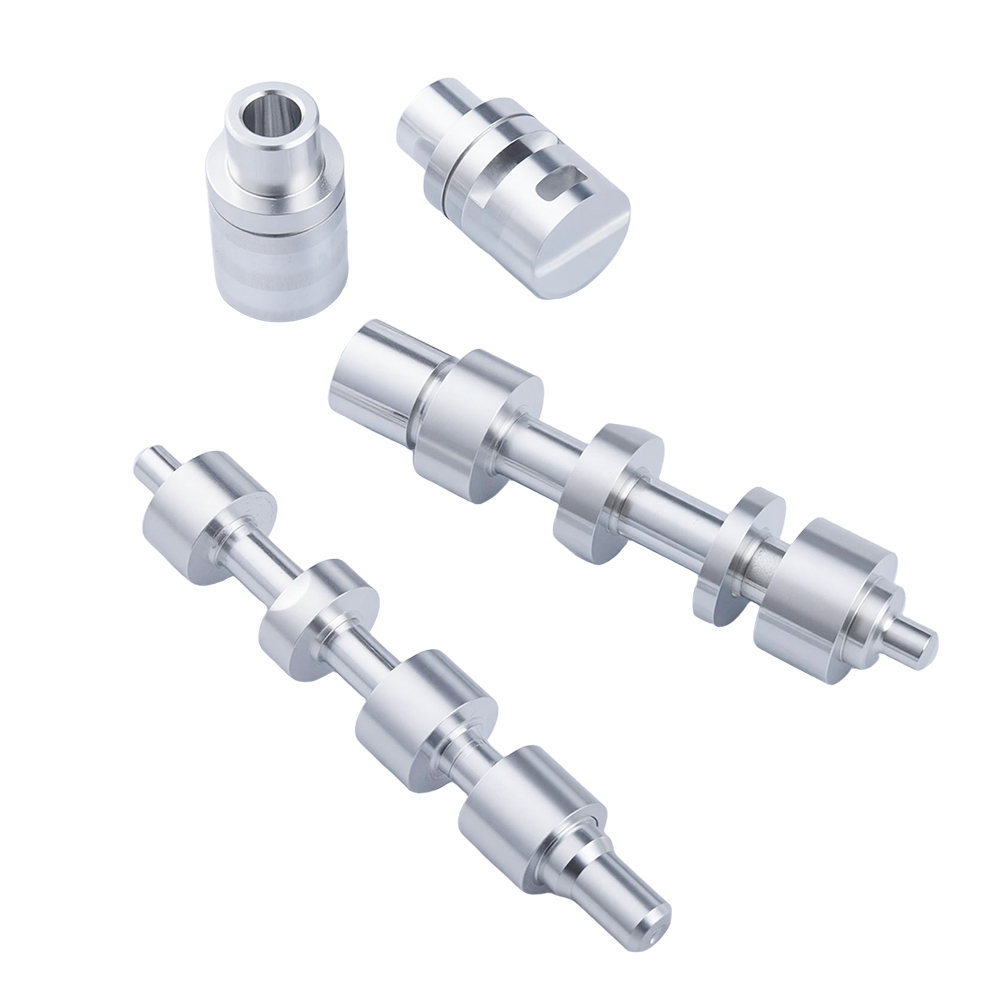
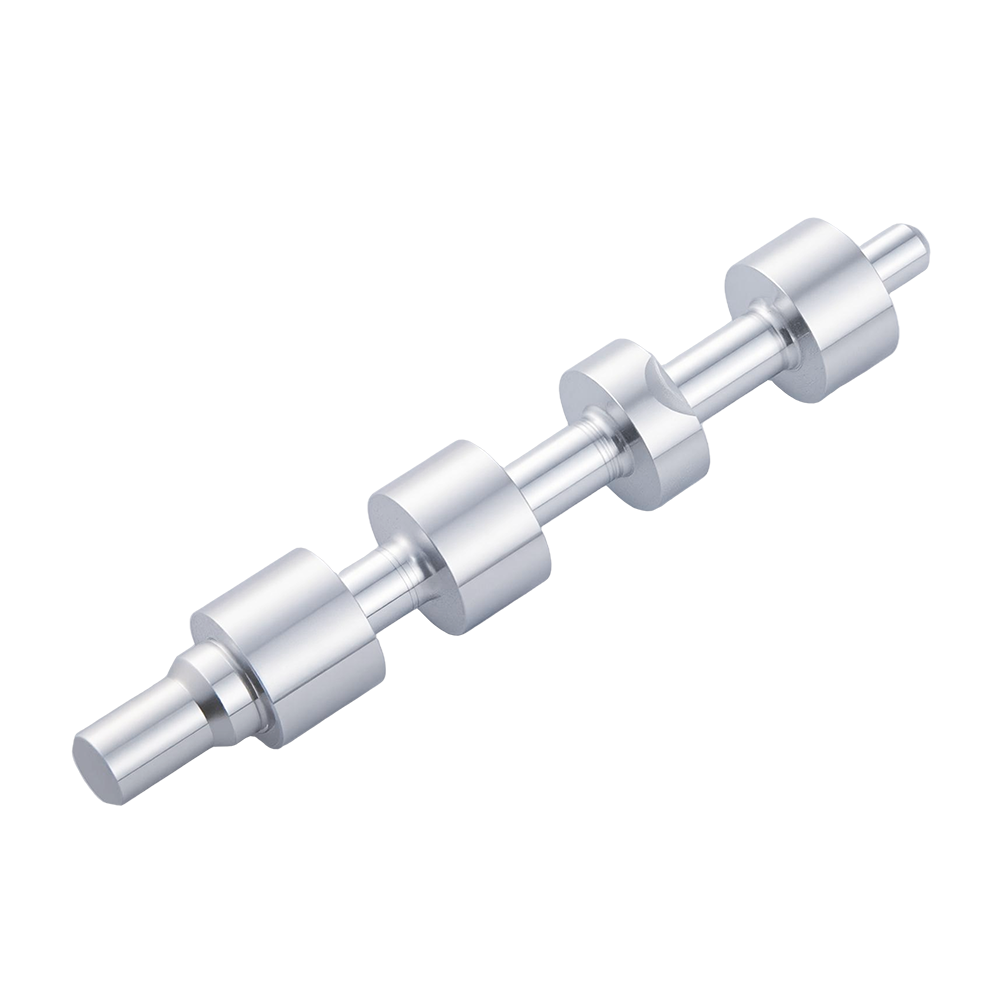 CNC Automotive Precision Machined Valve Spool
Material: Aluminum
Finish: Natural
-
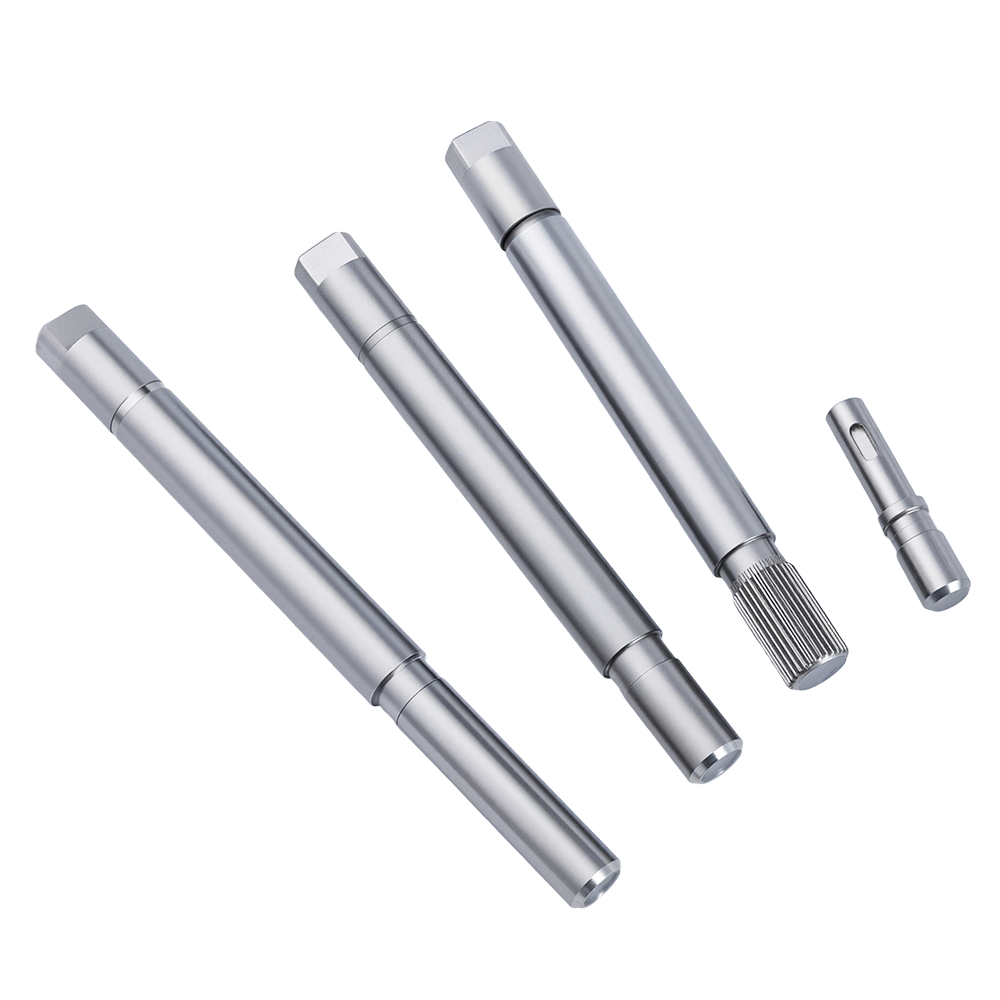
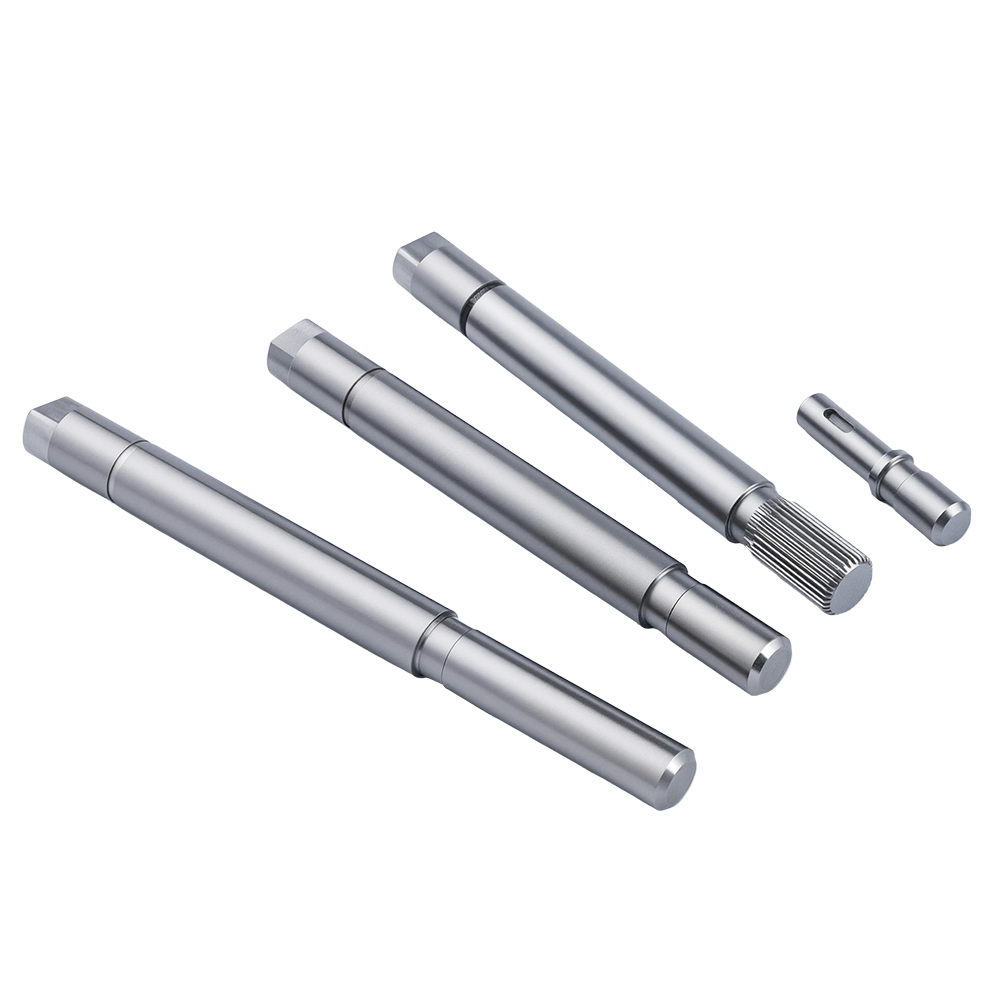
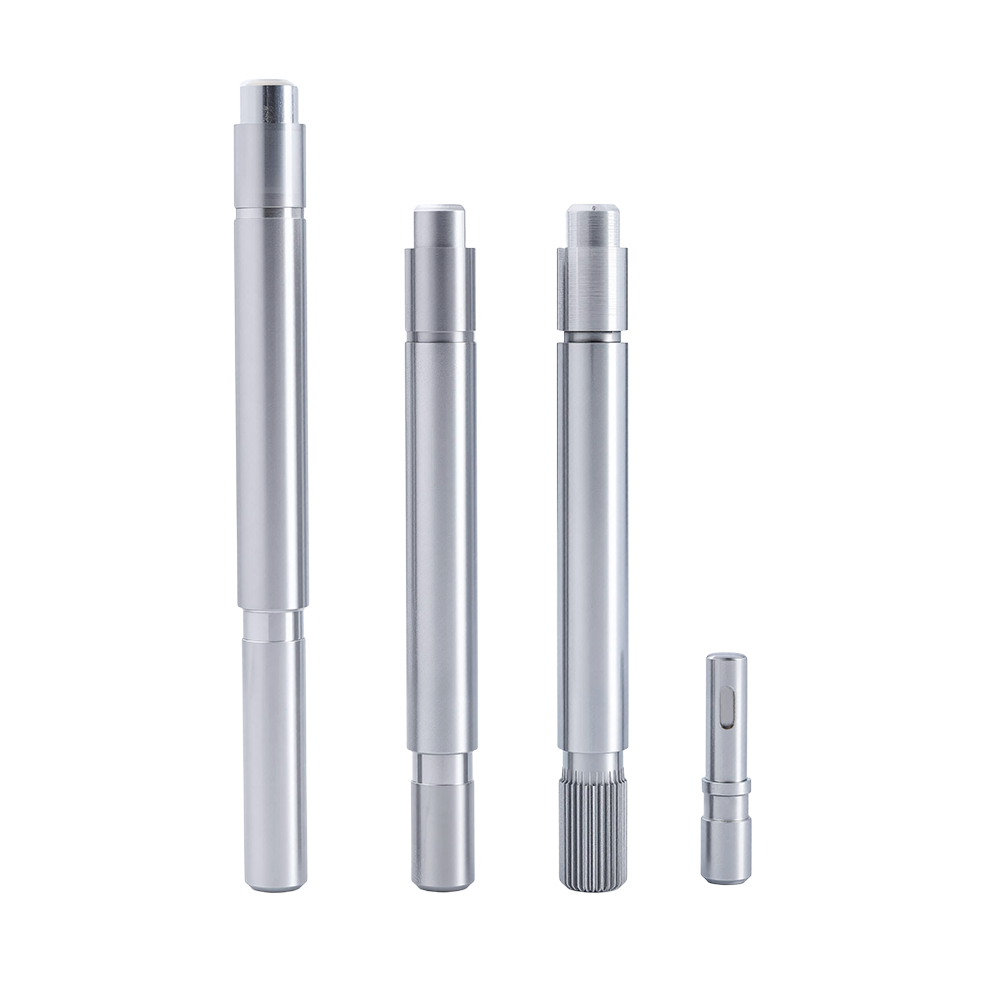 CNC Automotive Precision Machined Spline Shaft
Material: 2Cr13
Finish: Natural
-
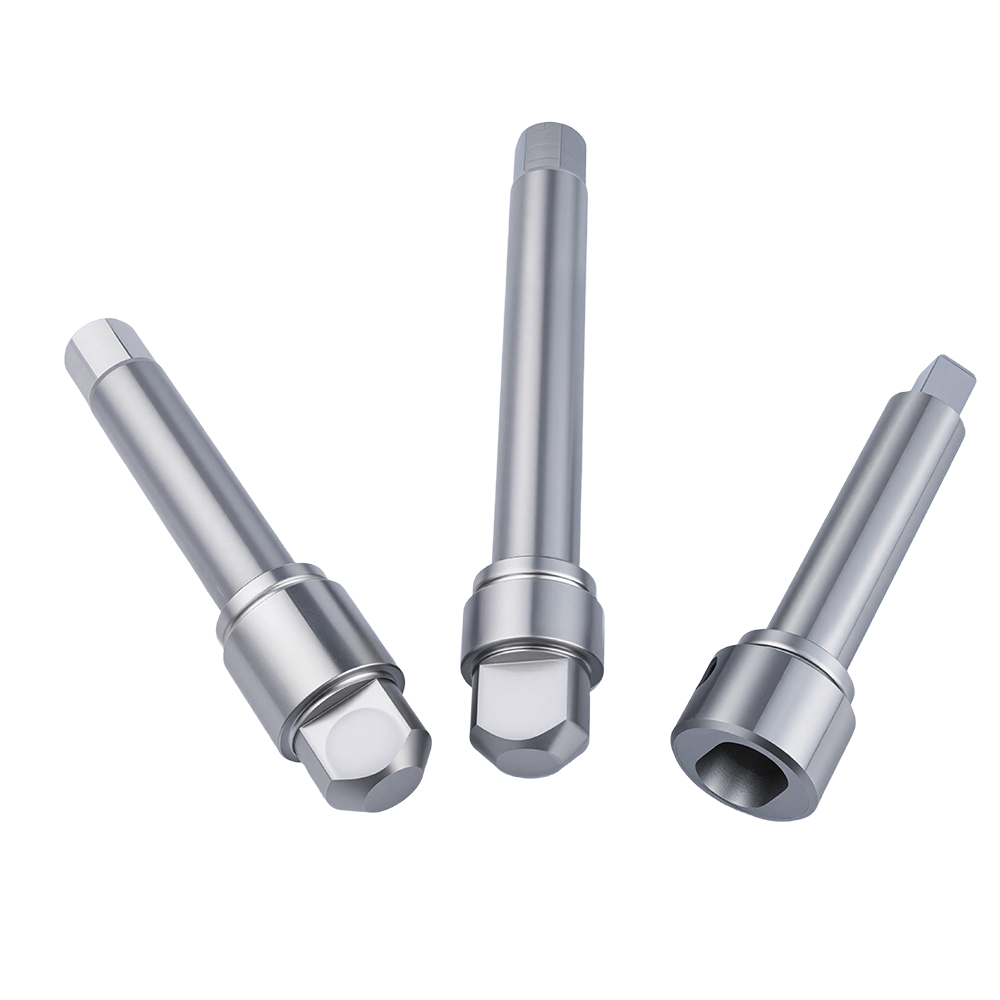
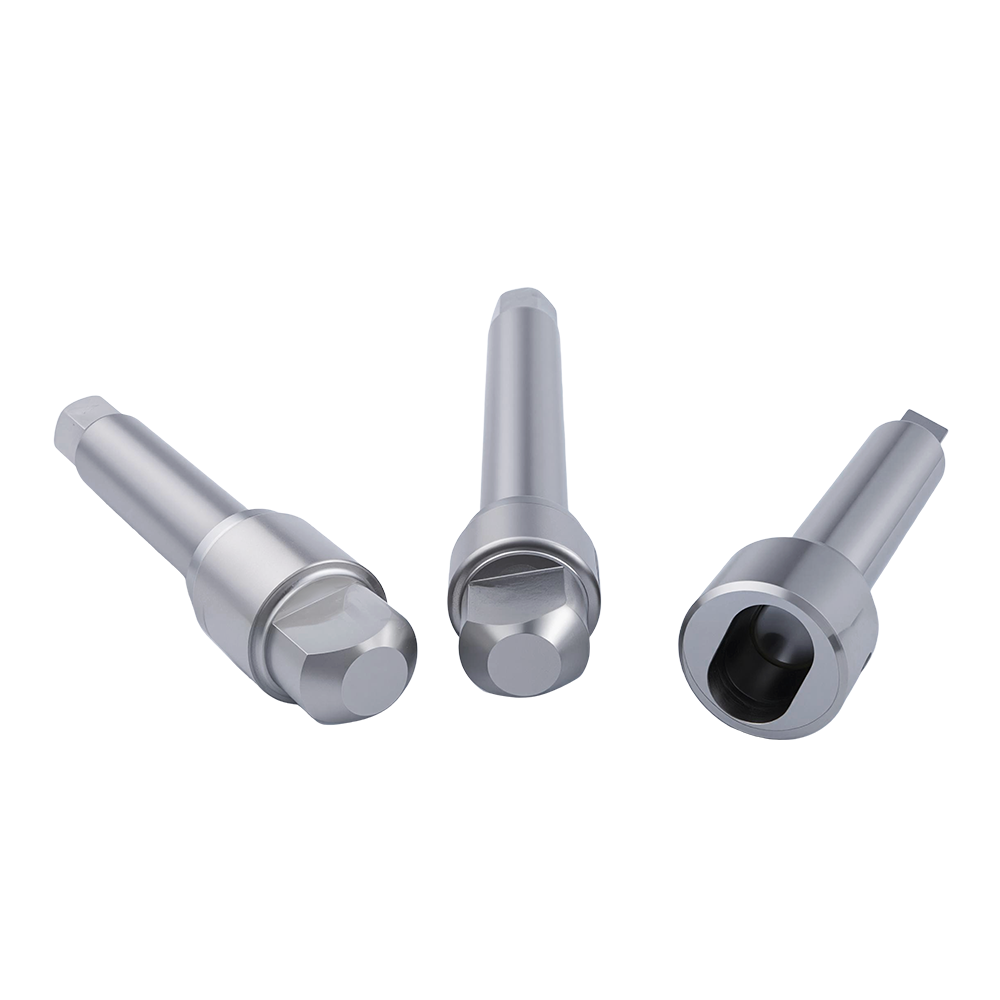
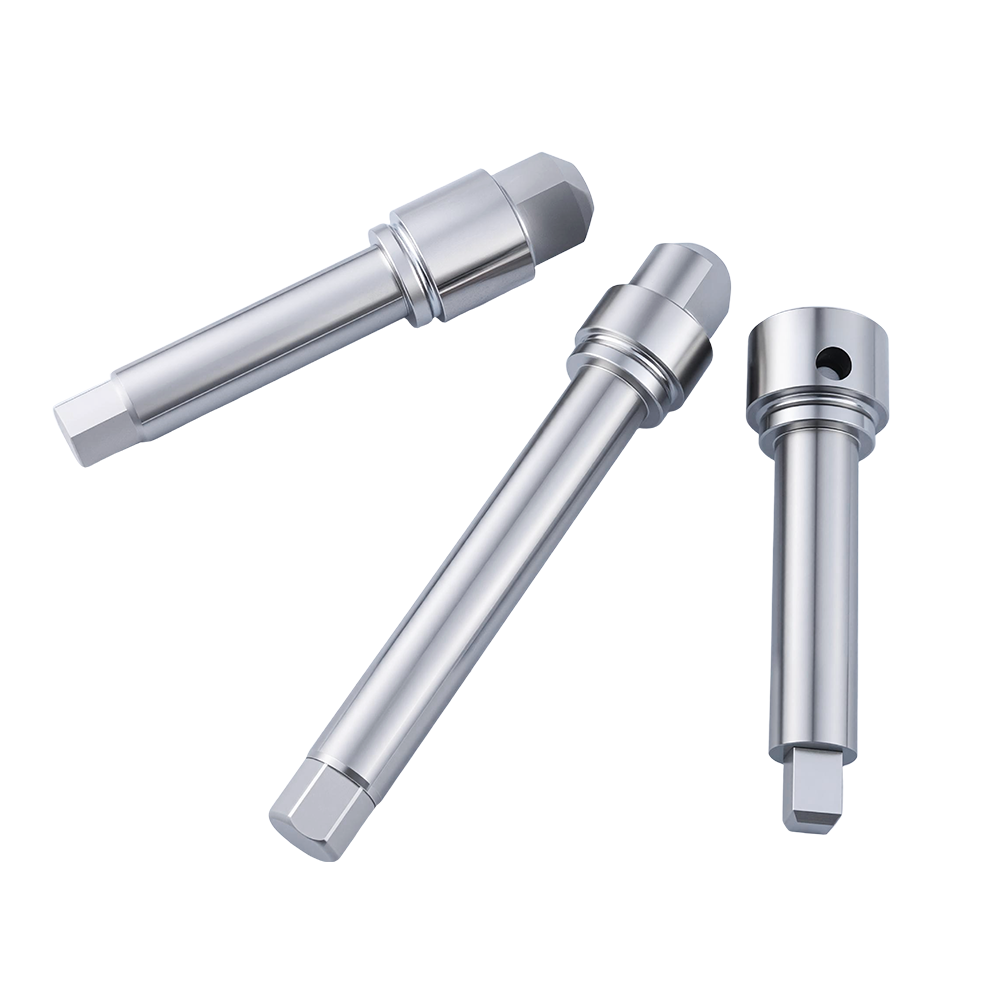 CNC Automotive Precision Machined Drive Motor Shafts
Material: 17-4 (630) stainless steel.
Finish: vacuum heat-treated and electrolytically processed
-
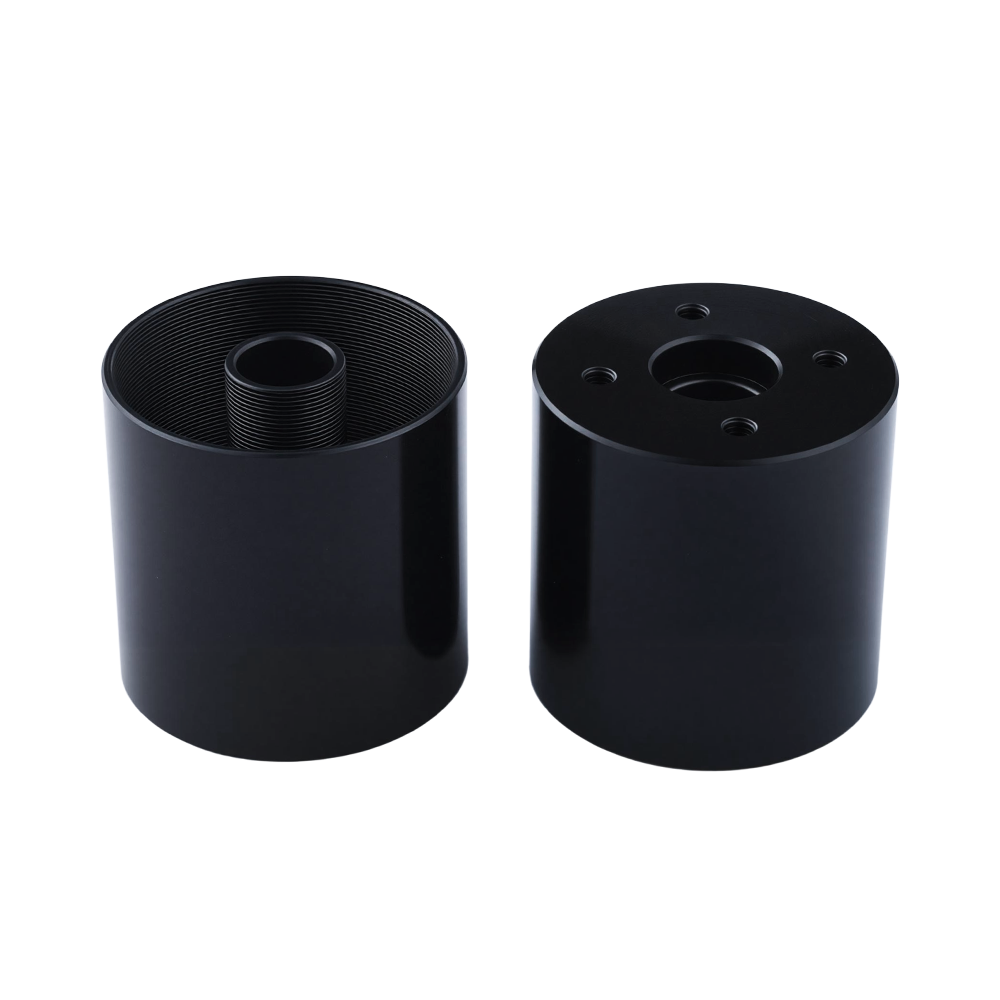
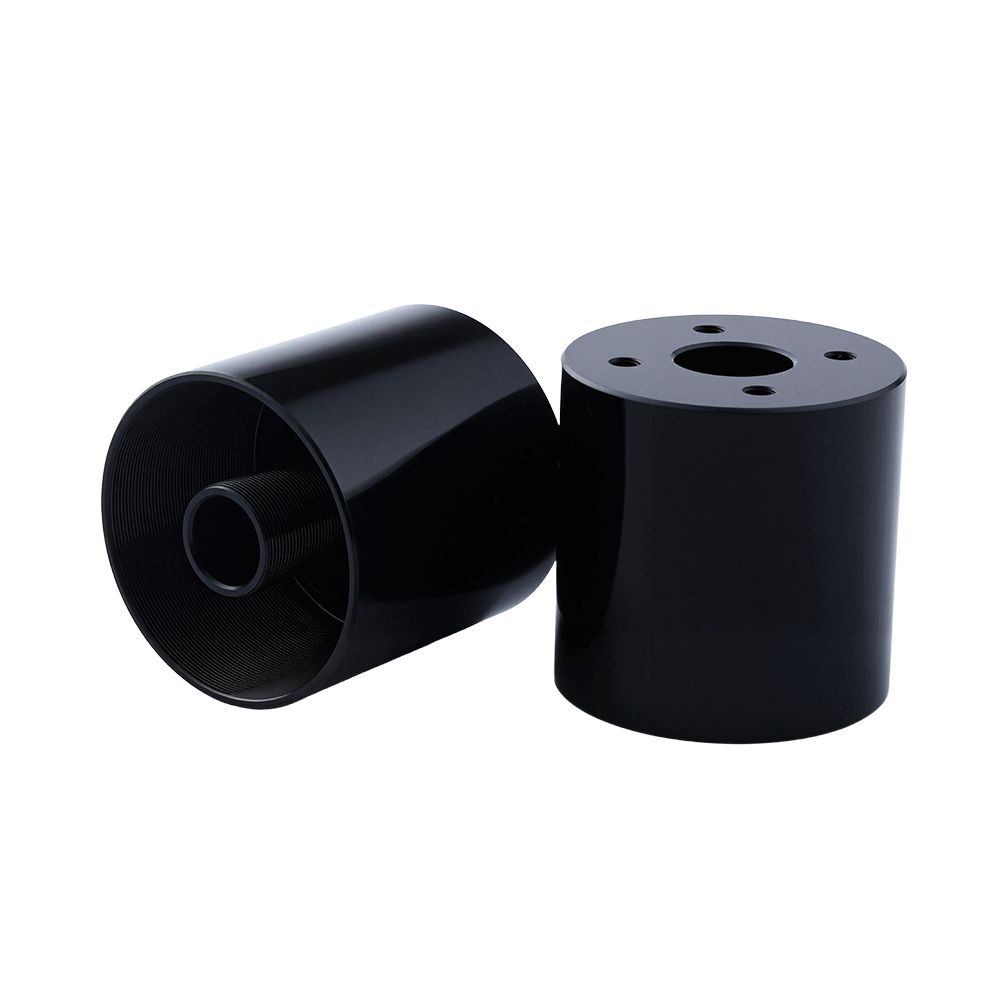 CNC Automotive Precision Machined Solenoid Valve Sleeve
Material: 6061 Al
Treatment: Black anodize
-
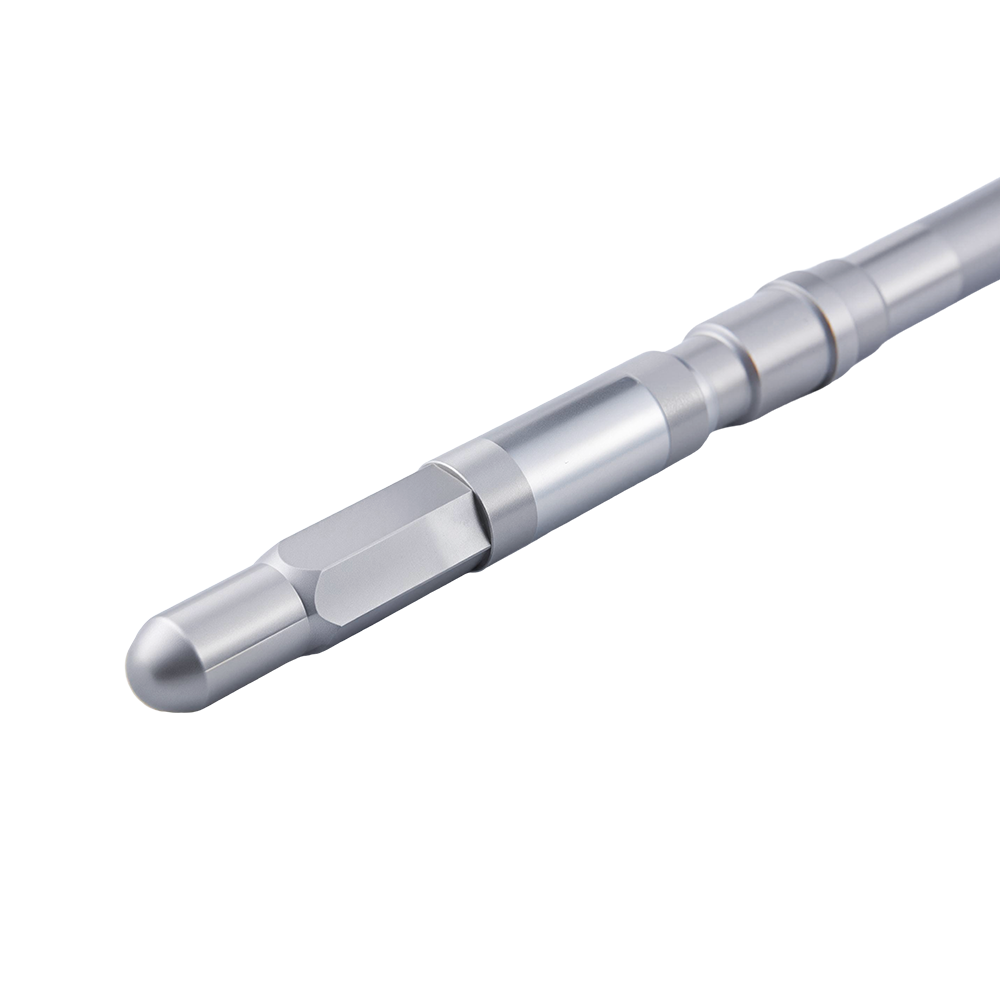
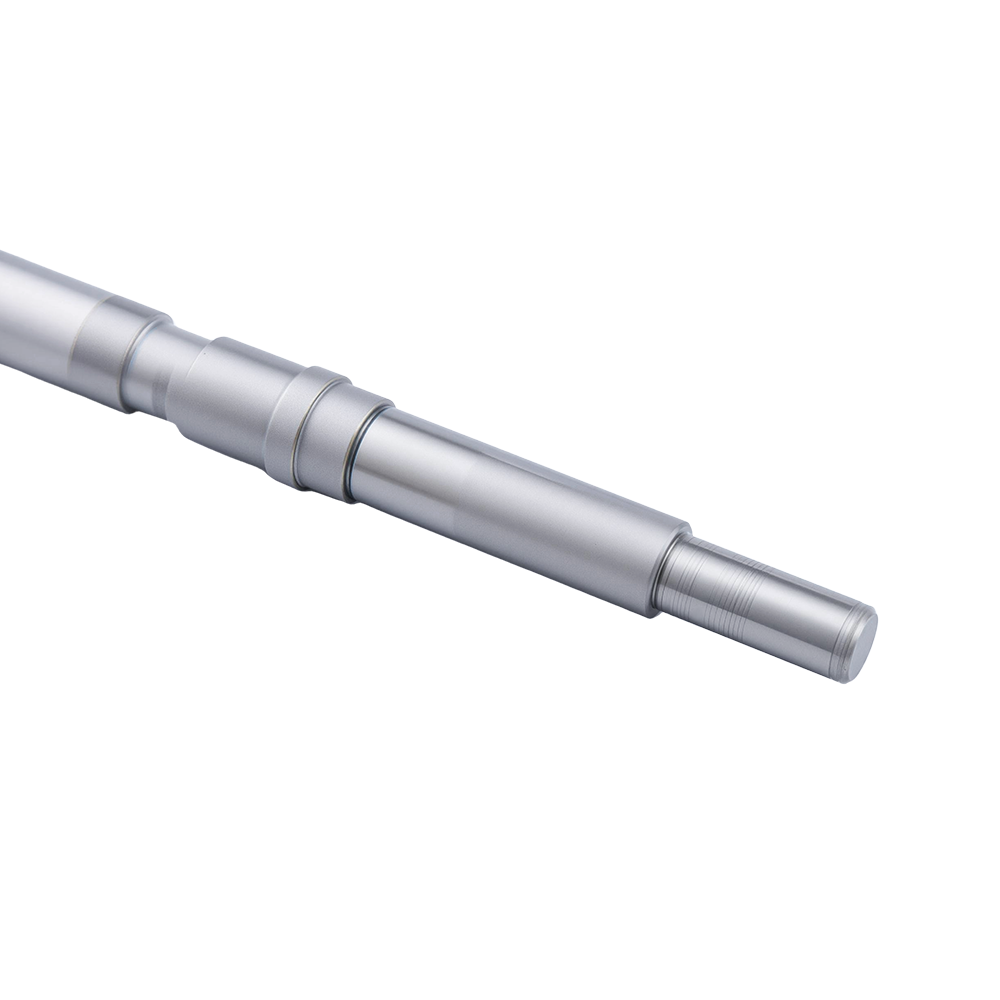
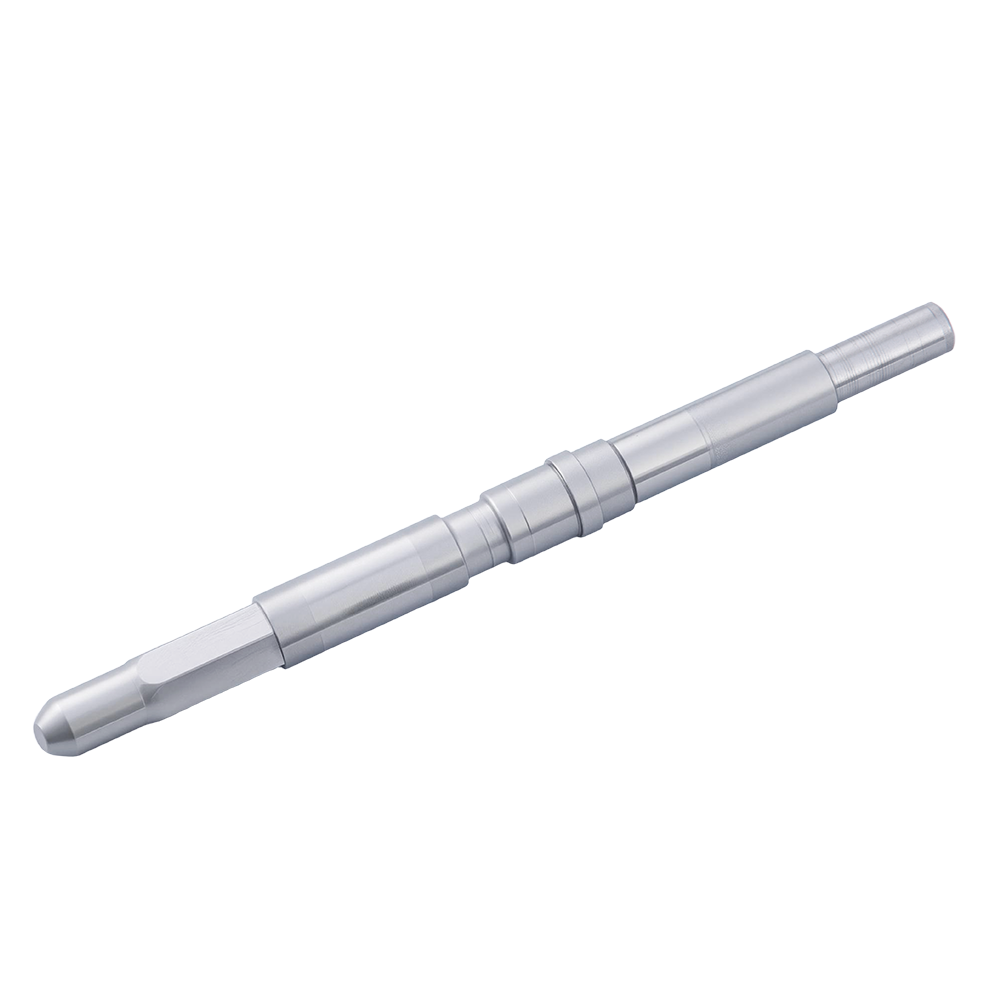 CNC Automotive Precision Machined High-Speed Shafts
Material:4Cr13
Treatment: Vacuum HT
-
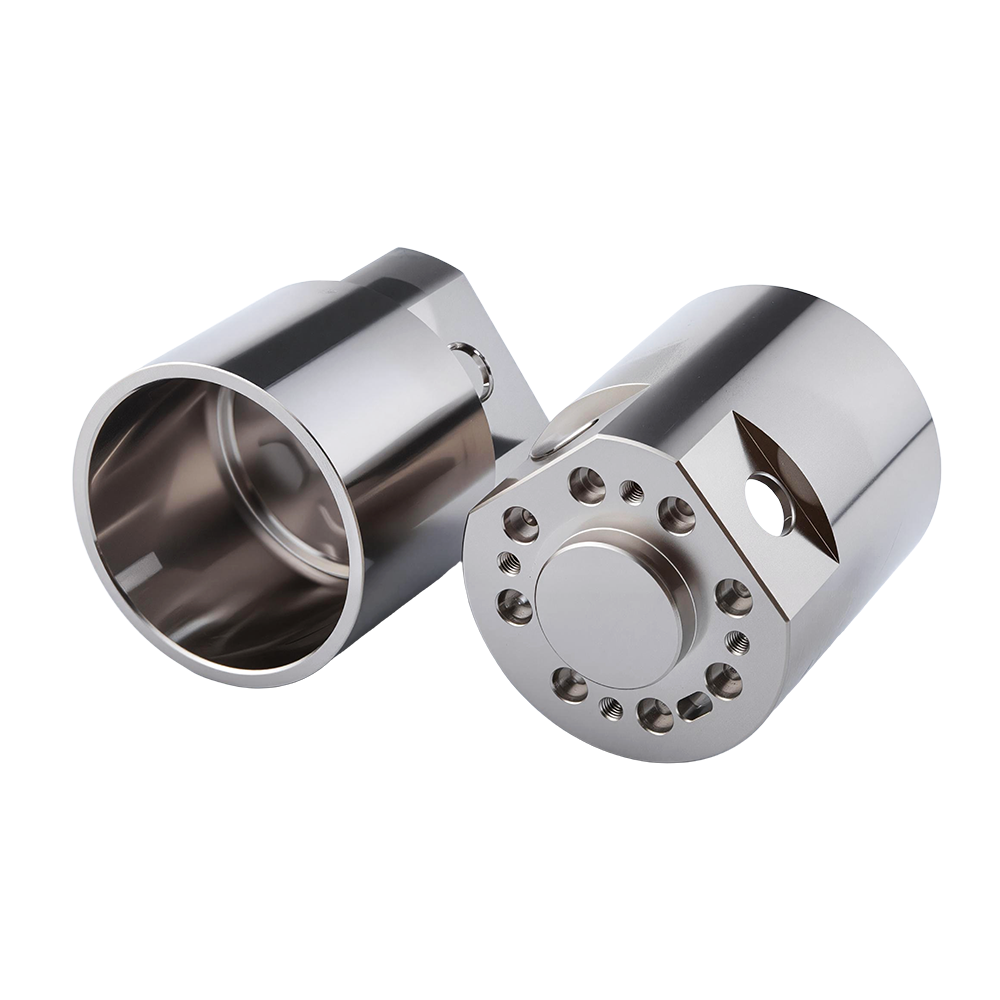 CNC Automotive Precision Machined Solenoid Valve Sleeve
Material: 6061 Al
Finish: Nickel plate
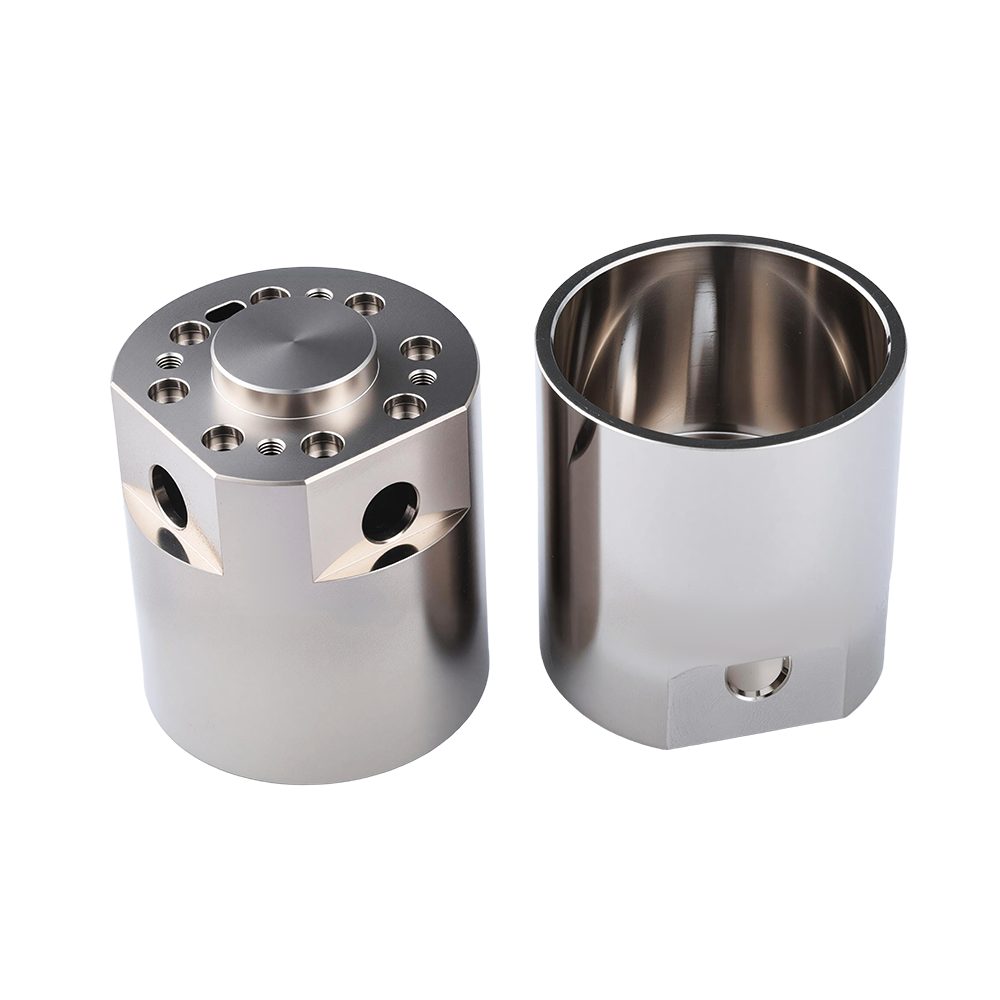
The manufacturing of precision automotive parts is our traditional business segment.We hold the IATF 16949:2016 certificate. In the automotive parts industry, our equipment is capable of producing a wide range of precision products, such as shafts, valve sleeves, valve cores, transmission components, and more. Through years of deep cultivation in this field, we have established close collaboration with our customers, consistently providing them with high-quality precision parts services year-round. Our business in automotive parts continues to expand and grow deeper.
Message Feedback
About Us
Our company was established in 1990, with over 30 years of operational experience. We specialize in the production of precision and general hardware parts, supplying supporting components for the automotive, machinery, medical, home appliance, and other industries.
As a professional Chinese manufacturer specializing in automotive components, we offer both customized and high-volume production solutions. Our expertise covers a wide range of automotive parts, including various types of shafts, valves, connecting rods, and more. we are well-equipped with Japanese imported Star CNC Swiss-type lathes, domestic CNC lathes, machining centers, grinders, cleaning machines, and other production equipment. Our complete set of testing instruments is imported from Japan and Germany. Drawing on more than 30 years of expertise, we operate with integrity, keep innovating, and maintain sound business development.
Following the principle of Integrity Oriented, Quality Foremost, we adopt premium raw materials and apply strict quality inspection to ensure reliable product performance.
We warmly welcome domestic and overseas clients to visit our factory and explore cooperation opportunities.
Blog
-
-
Steel turned parts rarely get noticed. They sit inside a shock absorber, a liquid-cooling manifold, a power tool gearbox, or an optical instrument, quietly holding a shaft on centre, seating a valve,...
READ MORE -
CNC Turning and Precision Metal Parts Manufacturing Precision CNC machining is an essential process for manufacturing metal components used in a wide range of industrial applications. From aluminum pa...
READ MORE -
If you have ever stared at a drawing wondering whether the finishing note should read "chem film" or "anodize," you are in good company. The two finishes get compared constantly, and the honest answe...
READ MORE
Industry Knowledge
The Key Role of CNC Precision Machined Automotive Parts in Modern Automotive Manufacturing Systems and Industrial Evolution
In the context of the global automotive industry continuously moving toward higher precision, higher reliability, and higher consistency, CNC Precision Machined Automotive Parts have gradually become a fundamental component of the entire vehicle manufacturing and component supply system. Around the structural stability and performance requirements of engine systems, transmission systems, braking systems, and various electronic control modules, the manufacturing capability of precision machined components directly determines the overall quality and long-term operational stability of vehicles.
Within this industrial chain, suppliers, manufacturers, and factories form a highly coordinated division of labor. CNC Precision Machined Automotive Parts represent not only a machining result but also a comprehensive manufacturing capability covering material selection, process control, precision inspection, and batch consistency management. With the increasing demand for lightweight design and high durability in the automotive industry, precision turned parts, precision milled components, and hybrid structural parts continue to expand their share in vehicle systems, driving the continuous deepening of the precision manufacturing industry.
In automotive component systems, critical parts such as shafts, valve sleeves, valve cores, and transmission connection components are widely produced through high-precision CNC machining equipment. These components must not only meet dimensional accuracy requirements but also maintain stable mechanical performance under high temperature, high pressure, and high-frequency vibration environments, which places increasingly strict requirements on CNC Precision Machined Automotive Parts standards.
In this field, Xierge Precision Machinery Co.,Ltd. serves as a manufacturer and supplier deeply engaged in precision machining. The company has long focused on precision hardware components and automotive parts production systems, covering industries such as automotive, machinery, medical devices, and household appliances, forming a relatively complete industrial service capability.
Precision Manufacturing Process Systems and CNC Precision Machined Automotive Parts Machining Technology Structure
The manufacturing process of CNC Precision Machined Automotive Parts typically relies on high-rigidity CNC machining platforms and multi-process coordinated control systems. Factories must develop different machining routes based on material characteristics, part structural complexity, and batch production requirements to ensure stable dimensional accuracy and surface quality.
Within the production system of Xierge Precision Machinery Co.,Ltd., equipment configuration includes Japanese imported Star CNC Swiss-type lathes, domestic CNC lathes, machining centers, precision grinding machines, and cleaning equipment. This combination allows the manufacturer to complete the entire production process from rough machining to finishing and final inspection within the same factory, improving consistency in mass production of CNC Precision Machined Automotive Parts.
In precision turning operations, Swiss-type CNC lathes demonstrate strong advantages in machining slender shaft components. For shaft parts in automotive transmission systems, machining involves not only outer diameter control but also coaxiality, roundness, and surface roughness requirements. Manufacturers use multi-axis control technology to achieve one-time forming of complex geometries, reducing clamping errors.
For valve sleeve and valve core machining, CNC Precision Machined Automotive Parts require extremely high sealing and fitting accuracy. These components play important roles in hydraulic and fuel control systems, where internal flow channel structure and clearance directly affect system response and operational stability. Manufacturers use dedicated fixtures and optimized tool path strategies to ensure machining stability.
In machining center applications, multi-axis capability allows complex structural parts to be completed in a single setup, reducing repositioning errors. During batch production, standardized process parameter control ensures high consistency between different production batches.
In grinding processes, precision grinders are mainly used to improve dimensional accuracy and surface quality of key mating surfaces. Particularly in bearing interfaces and sliding friction components, surface quality directly affects service life. Manufacturers control grinding allowance and cooling stability to achieve higher geometric accuracy levels.
In cleaning and post-processing stages, factories typically adopt multi-stage cleaning processes to remove cutting fluids and metal particles generated during machining. This step is critical for automotive suppliers because any residual particles may affect final assembly quality.
The IATF 16949:2016 quality management system certification plays an important role in the manufacturing framework. This system defines strict requirements for process control, traceability, and supply chain management, significantly improving controllability in CNC Precision Machined Automotive Parts production.
Supply Chain Collaboration Model and Application Expansion of CNC Precision Machined Automotive Parts
In the automotive component industry chain, the collaborative relationship between suppliers and manufacturers determines delivery efficiency and quality stability of CNC Precision Machined Automotive Parts. Factories not only perform machining tasks but also participate in manufacturability evaluation during the product design stage to optimize overall production pathways.
Xierge Precision Machinery Co.,Ltd., as a long-term automotive component manufacturer, has continuously deepened cooperation with customers over years of operation. Its production system has developed mature batch supply capabilities, enabling flexible switching between different customer requirements.
In automotive applications, precision machined components are widely used in powertrain systems, transmission systems, and control systems. Suppliers must meet both dimensional accuracy requirements and delivery cycle requirements. Manufacturers optimize production scheduling and equipment utilization to maintain stable output under high-load conditions.
In transmission system components, shaft parts play a critical role in power transfer, and machining quality directly affects transmission efficiency. CNC Precision Machined Automotive Parts in this field require strict coaxiality control and wear resistance. Factories combine CNC machining with heat treatment processes to ensure stable performance under heavy loads.
In valve control components, fitting accuracy between valve sleeves and valve cores determines response speed of fluid control systems. Manufacturers achieve micrometer-level control and inspection comparison to ensure ideal assembly conditions. Suppliers provide inspection reports and traceability data to meet automotive supply chain transparency requirements.
In extended applications such as medical devices and household appliances, CNC Precision Machined Automotive Parts machining technology demonstrates broad adaptability. Due to its process universality, factories can transfer machining capabilities across industries, improving equipment utilization and production flexibility.
Over long-term development, manufacturers continuously introduce high-precision CNC equipment and automation systems, improving efficiency and stability. The supply chain gradually evolves from single-part machining to integrated solution provision, making CNC Precision Machined Automotive Parts not only a product but also a representation of manufacturing capability.
Quality control systems implement multi-level inspection mechanisms including dimensional inspection, geometric tolerance measurement, and surface quality evaluation. Statistical process control methods are introduced to optimize batch consistency.
In the context of continuous advancement in the global automotive industry, collaboration between suppliers and manufacturing factories is increasingly integrated. CNC Precision Machined Automotive Parts, as a key link between design and vehicle systems, continue to evolve toward higher precision, efficiency, and reliability.
Xierge Precision Machinery Co.,Ltd. has developed a stable customer network over time, continuously improving its manufacturing capability and process level, maintaining sustained production capacity in precision machining across multiple industrial applications.
FAQ
Q1.What are CNC Precision Machined Automotive Parts mainly used for?
They are widely used in automotive power systems, transmission systems, fuel control systems, and braking control systems, serving structural support and functional control roles in vehicle operation.
Q2.What equipment is required to manufacture CNC Precision Machined Automotive Parts?
Production typically relies on Swiss-type CNC lathes, CNC turning machines, machining centers, precision grinding machines, and cleaning systems to complete full-process manufacturing from rough to finishing.
Q3.What roles do suppliers and manufacturers play in this industry?
Suppliers are responsible for delivery and quality coordination, while manufacturers and factories handle machining and production control, working together to ensure product consistency.
Q4.What is the role of IATF 16949:2016 certification?
It is an automotive industry quality management standard that defines process control, traceability, and continuous improvement requirements, enhancing product stability and supply chain reliability.
Q5.What is the main business of Xierge Precision Machinery Co.,Ltd.?
The company focuses on precision and general hardware component manufacturing, serving automotive, machinery, medical, and home appliance industries with strong machining and production capabilities.
Q6.Why do CNC Precision Machined Automotive Parts require high precision?
Due to harsh operating environments involving high load, temperature, and vibration, components must maintain strict dimensional accuracy, fitting precision, and material stability.
Q7.How is batch consistency ensured in production?
Consistency is achieved through standardized process parameters, automated CNC machining, and multi-level inspection systems ensuring stable dimensions and performance across batches.
Don't hesitate to contact when you need us!

Since its establishment in 1990, the company has 35 years of history.
- Products
- CNC Precision Machined Automotive Parts
- CNC Precision Machined Liquid Cooling Parts
- CNC Precision Machined Power Tool Parts
- CNC Precision Machined Optical Components
- Customize
- Swiss Turning
- Machining Center
- CNC Milling&Turning
- Centerless Grinding Machine
- Cylindrical Grinding Machine
- Contact
-
-
TEL: +86-0574-62480516

-
E-mail: [email protected]

-
Phone: +86-13175199595

-
Address: Address: No. 6 Shiji 1st Road, Mazhu Doumen Development Zone, Yuyao City, Zhejiang Province, China

-
Copyright ©
Xierge Precision Machinery Co.,Ltd.
All rights reserved.
Custom CNC Precision Machined Automotive Parts Suppliers

