


 English
  中文简体
中文简体 
Machinist symbols can look like a foreign language when you open a production drawing for the first time. After more than three decades of machining precision components, we can tell you that the mos...
READ MORE
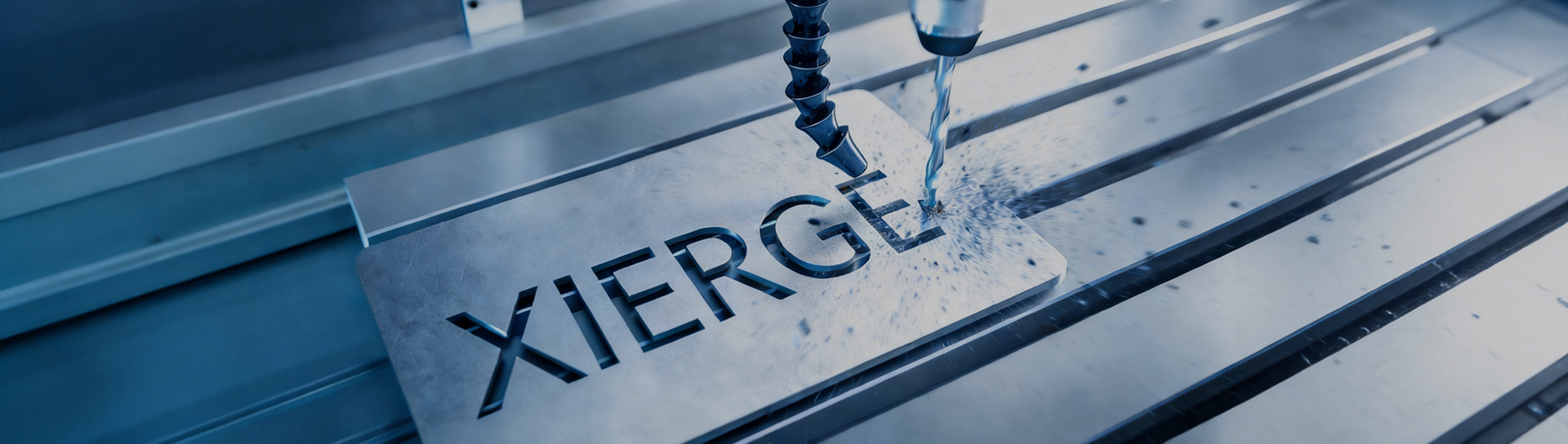
CNC Precision Machined Power Tool Parts Manufacturers
-
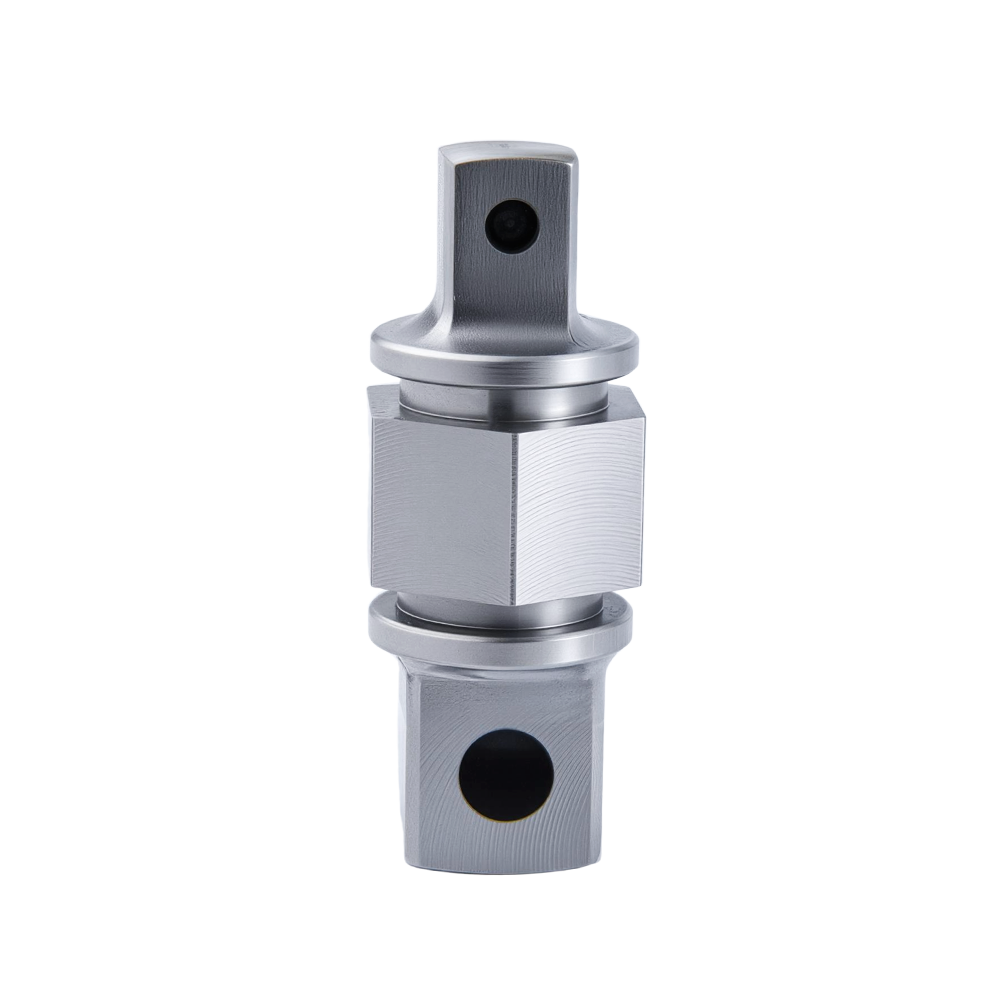
 CNC Power Tool Precision Machined Transmission Components
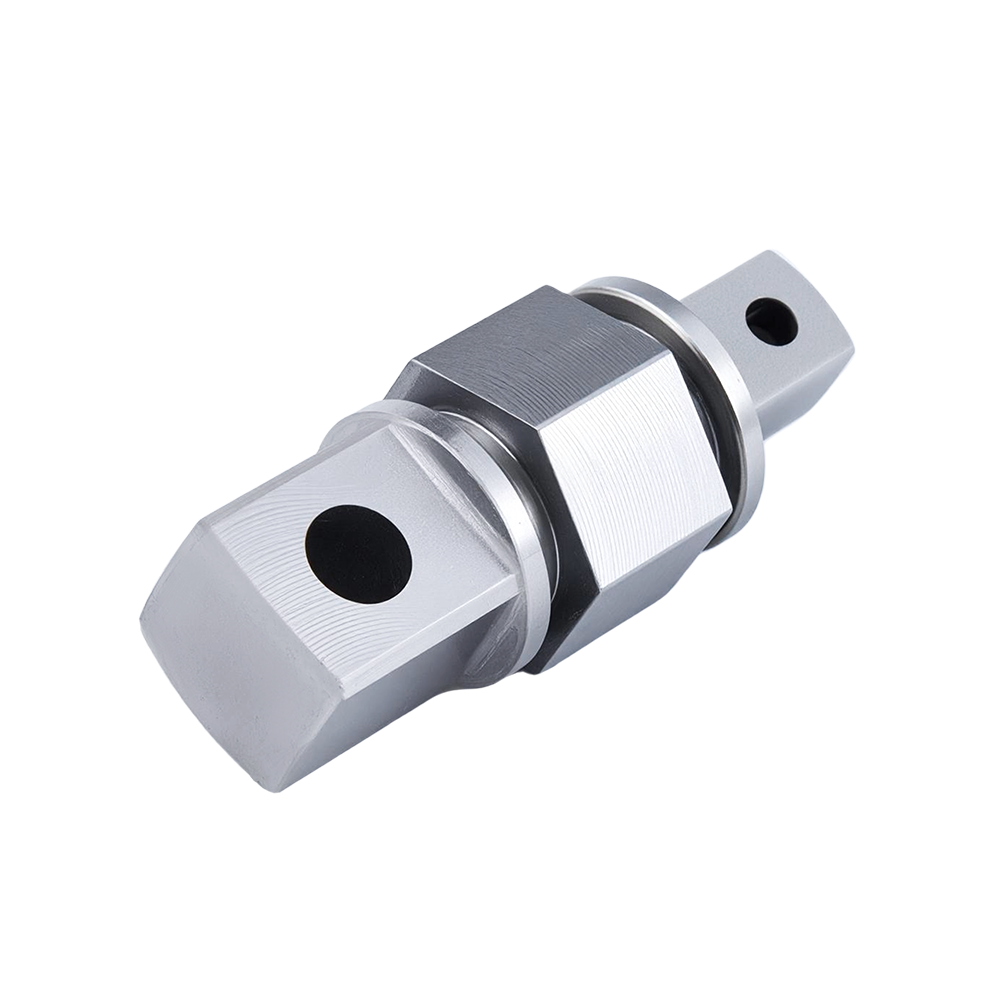
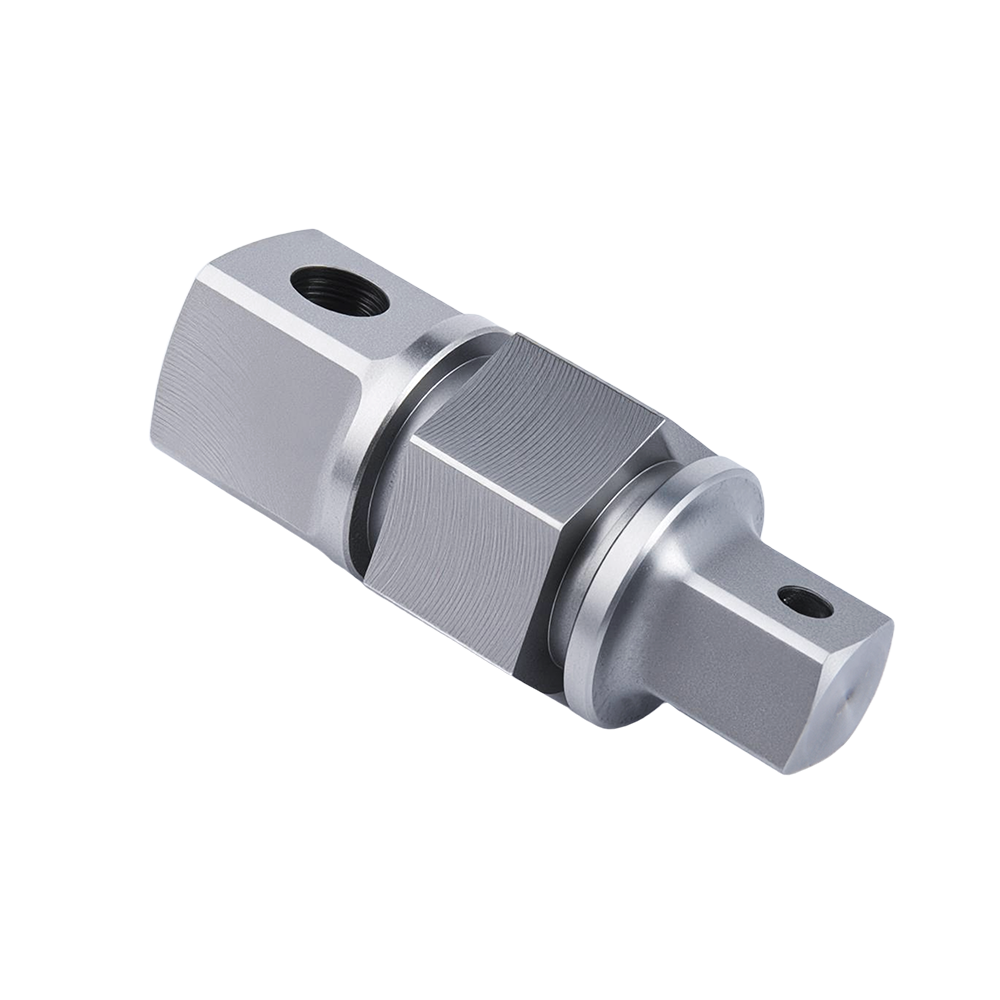
-
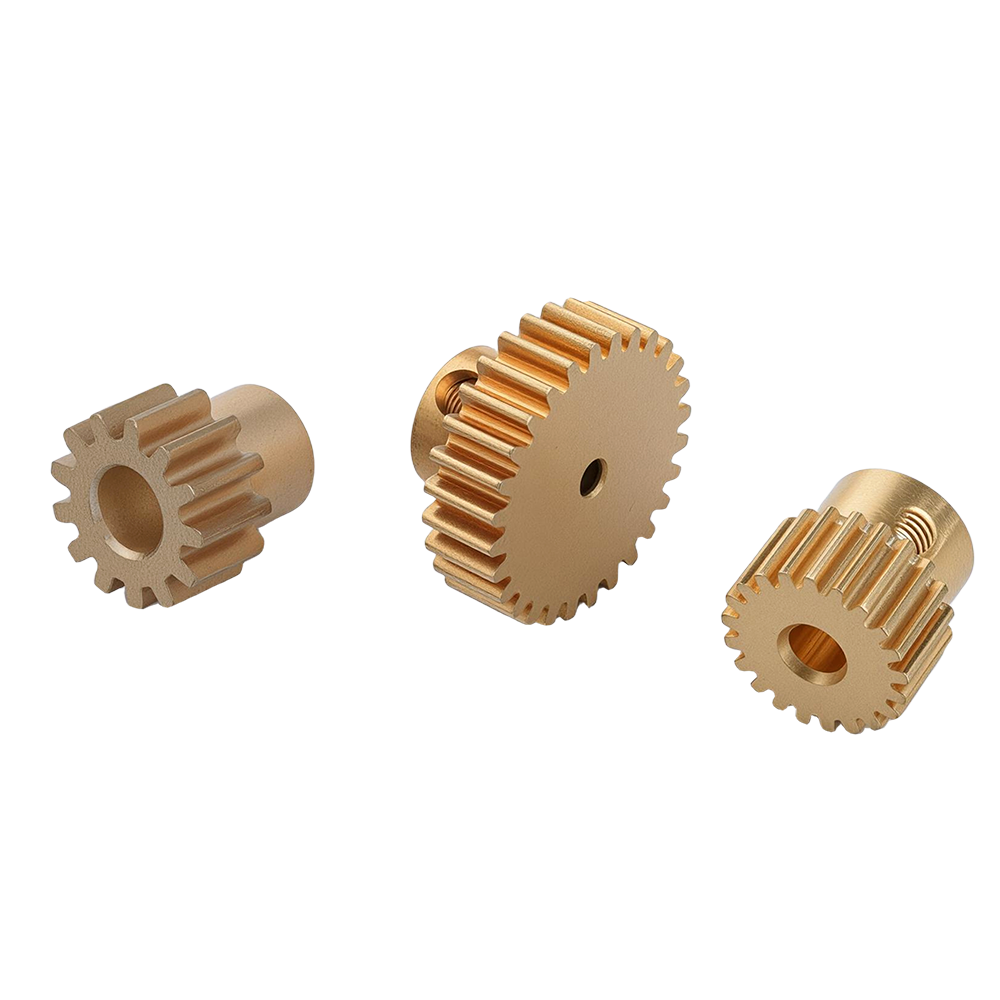
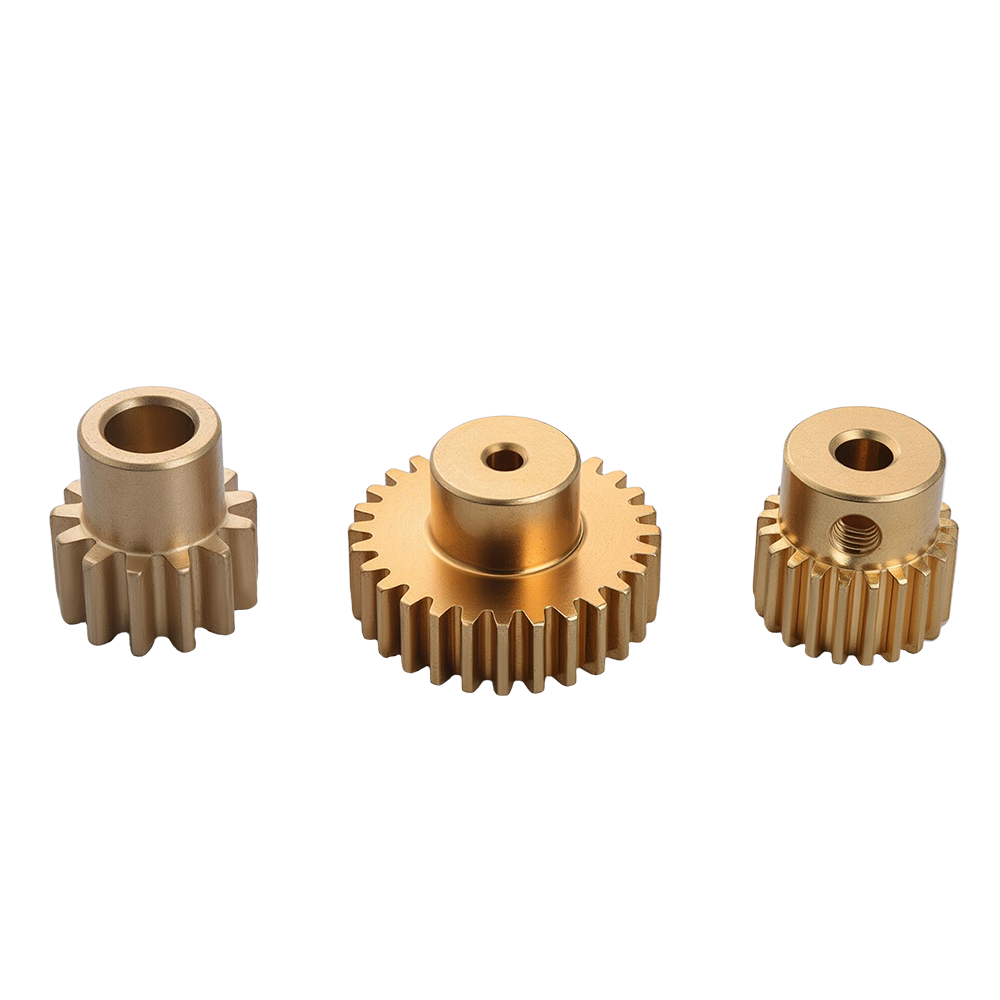 CNC Power Tool Precision Mahchined Planetary Gear Shafts
-
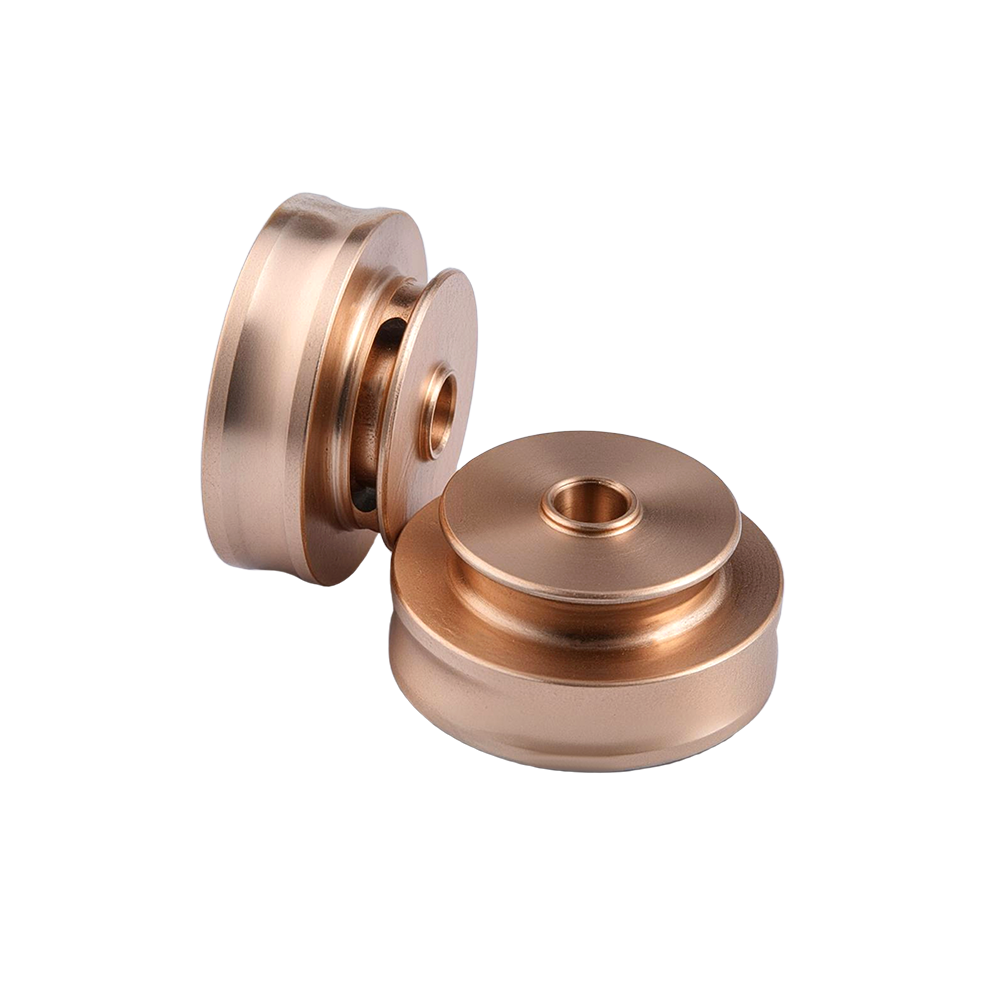
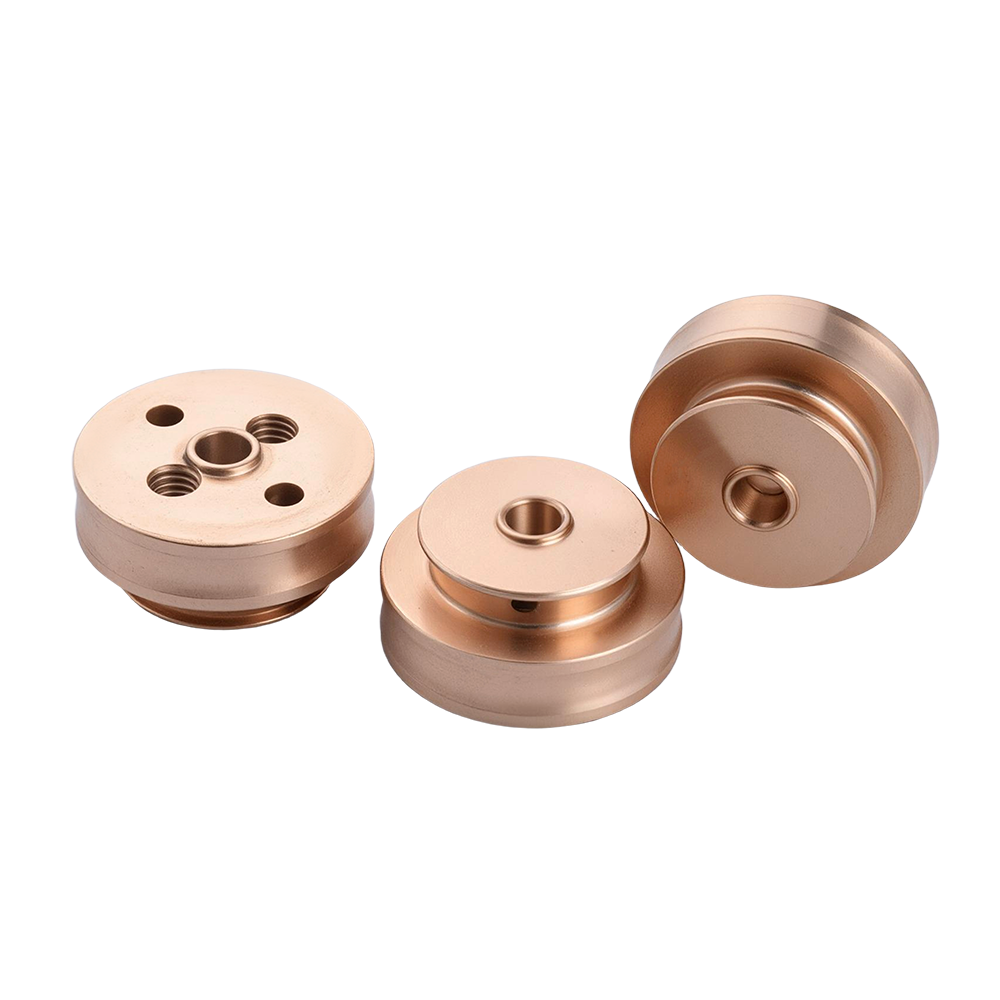
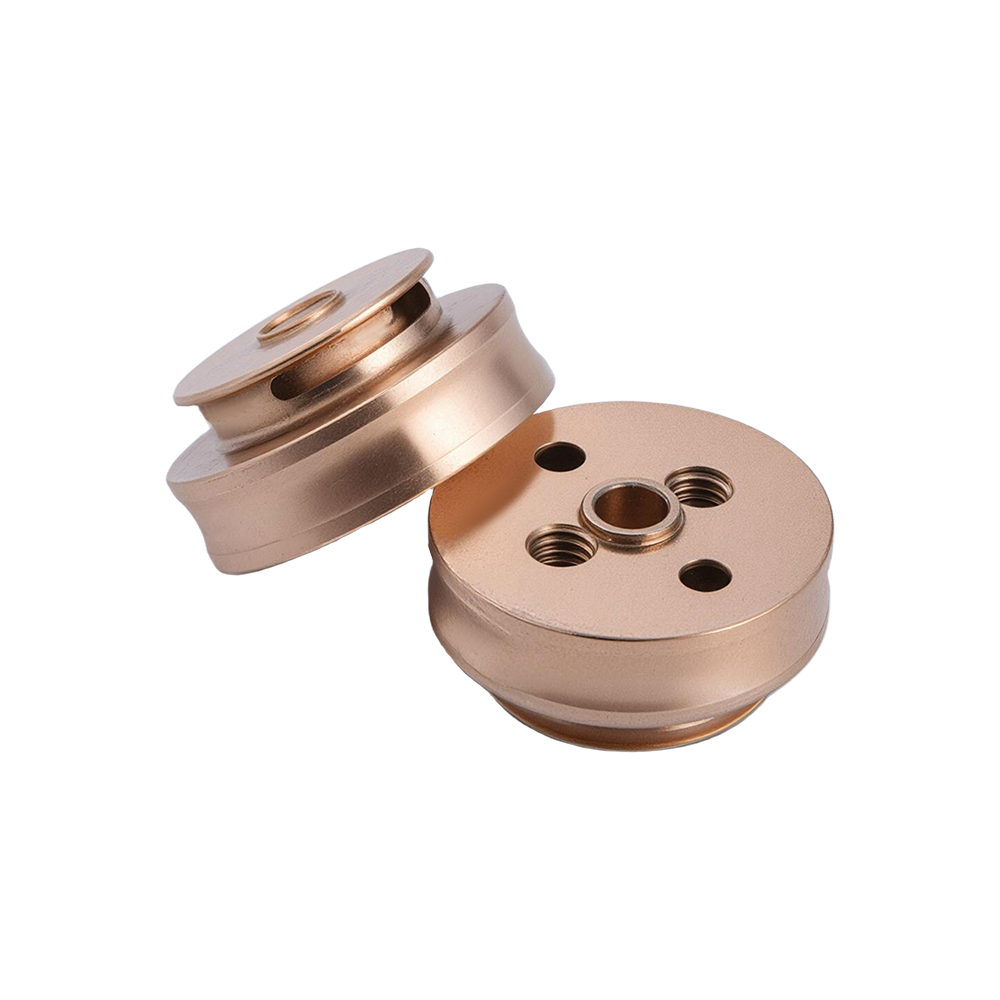 CNC Power Tool Precision Machined Small Module Gears
-
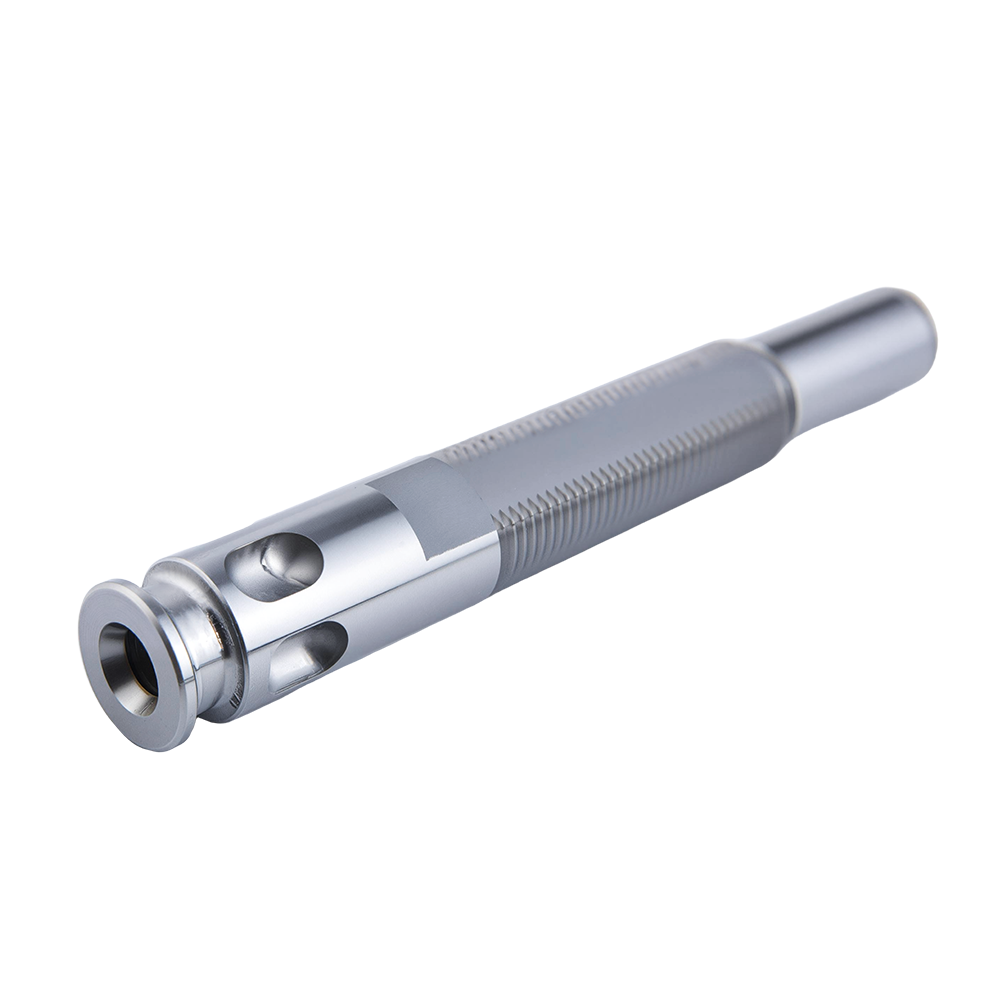
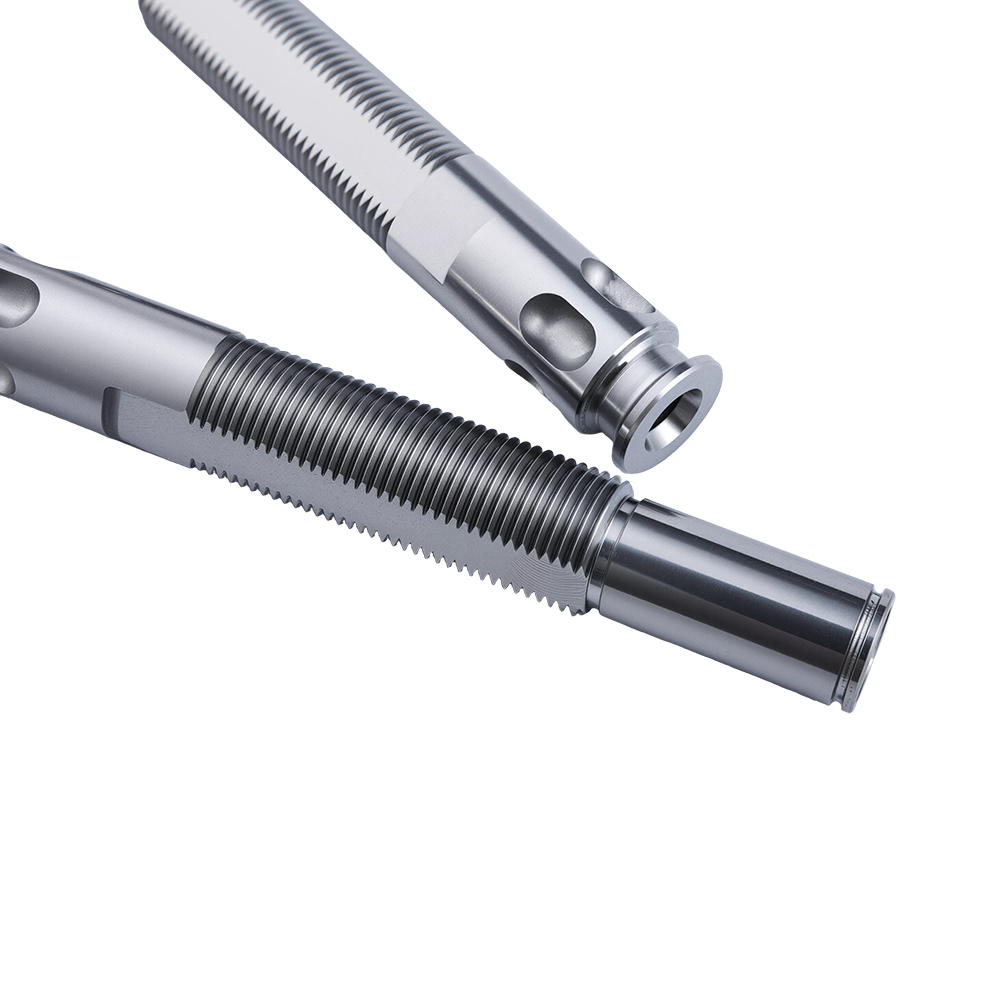
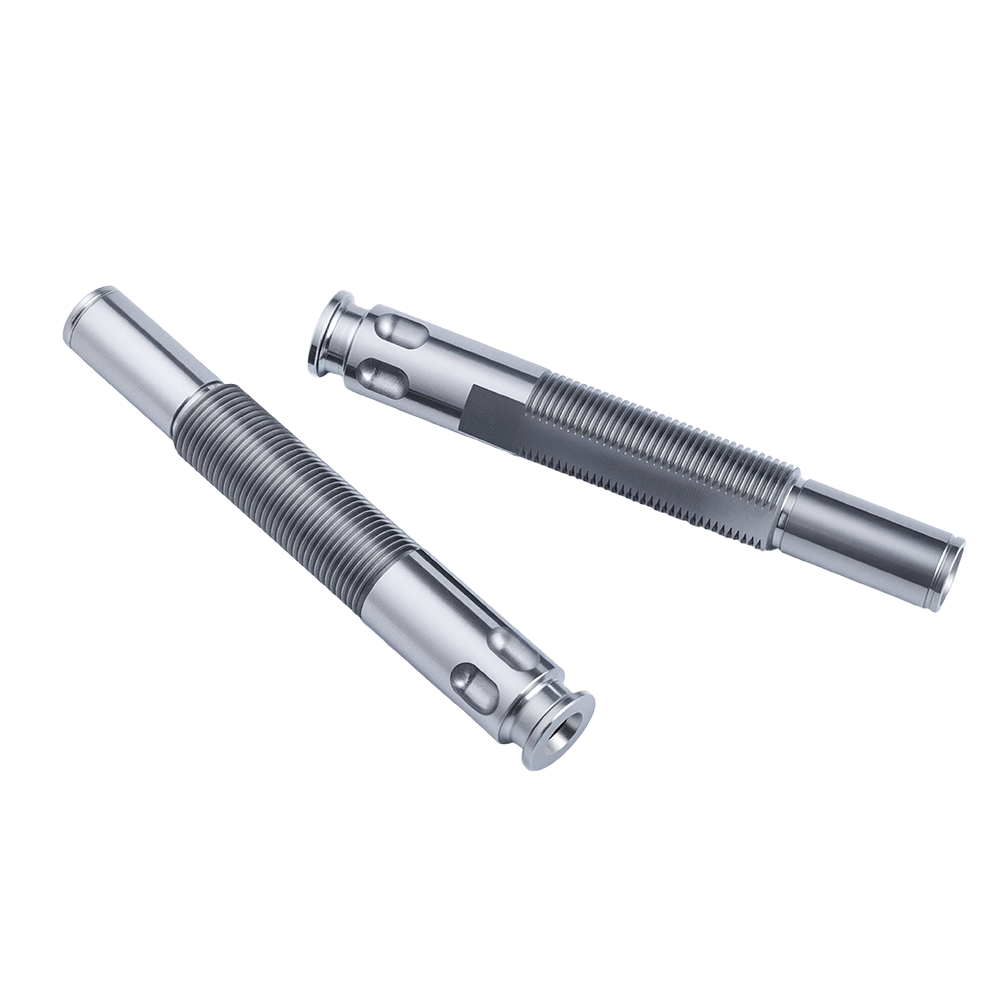 CNC Power Tool CNC Precision Machined Motor Shafts
Material: 20Cr2Ni4
Finish: Natural
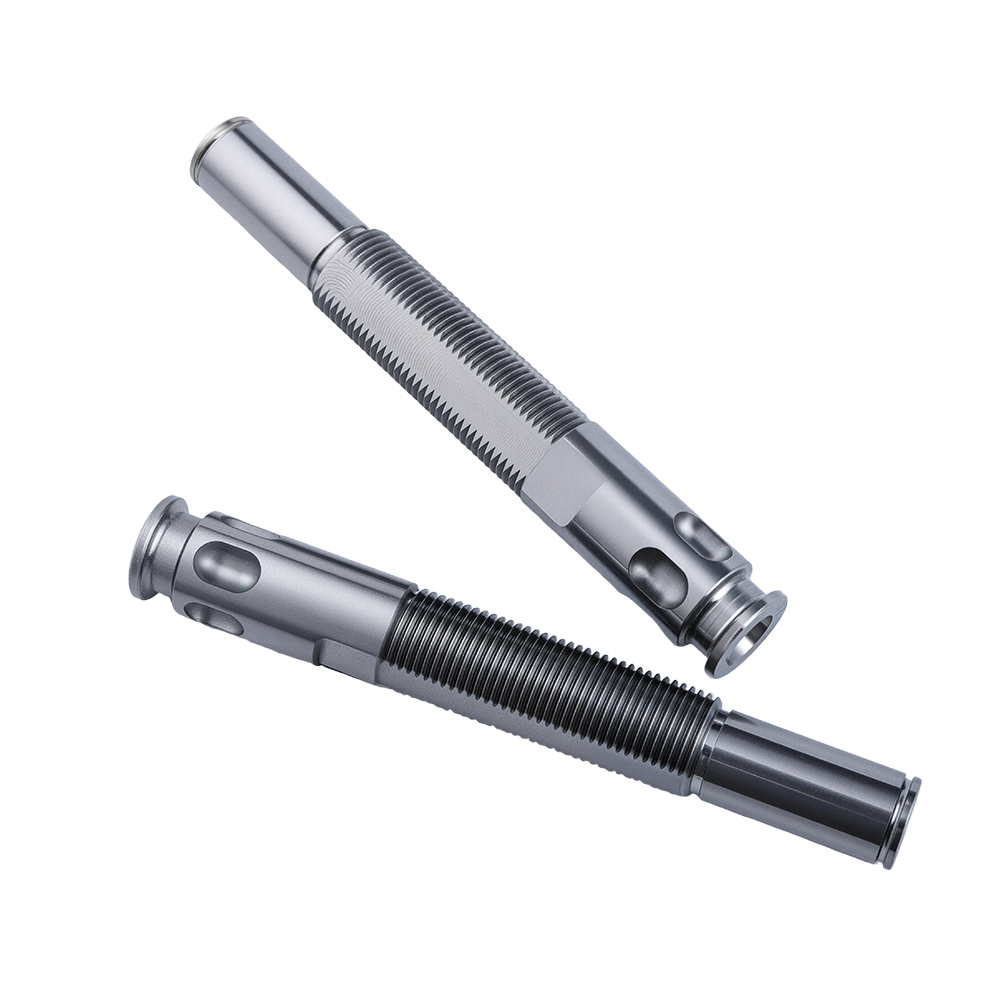
-
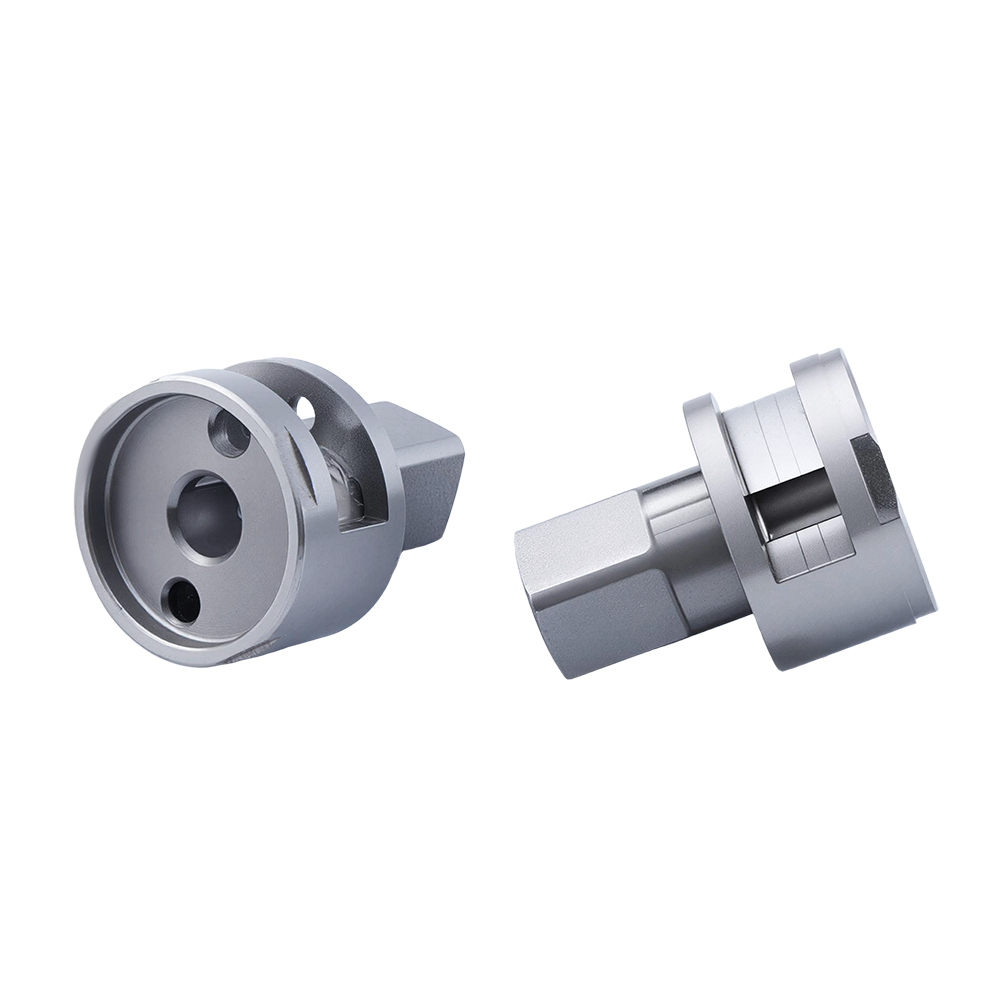
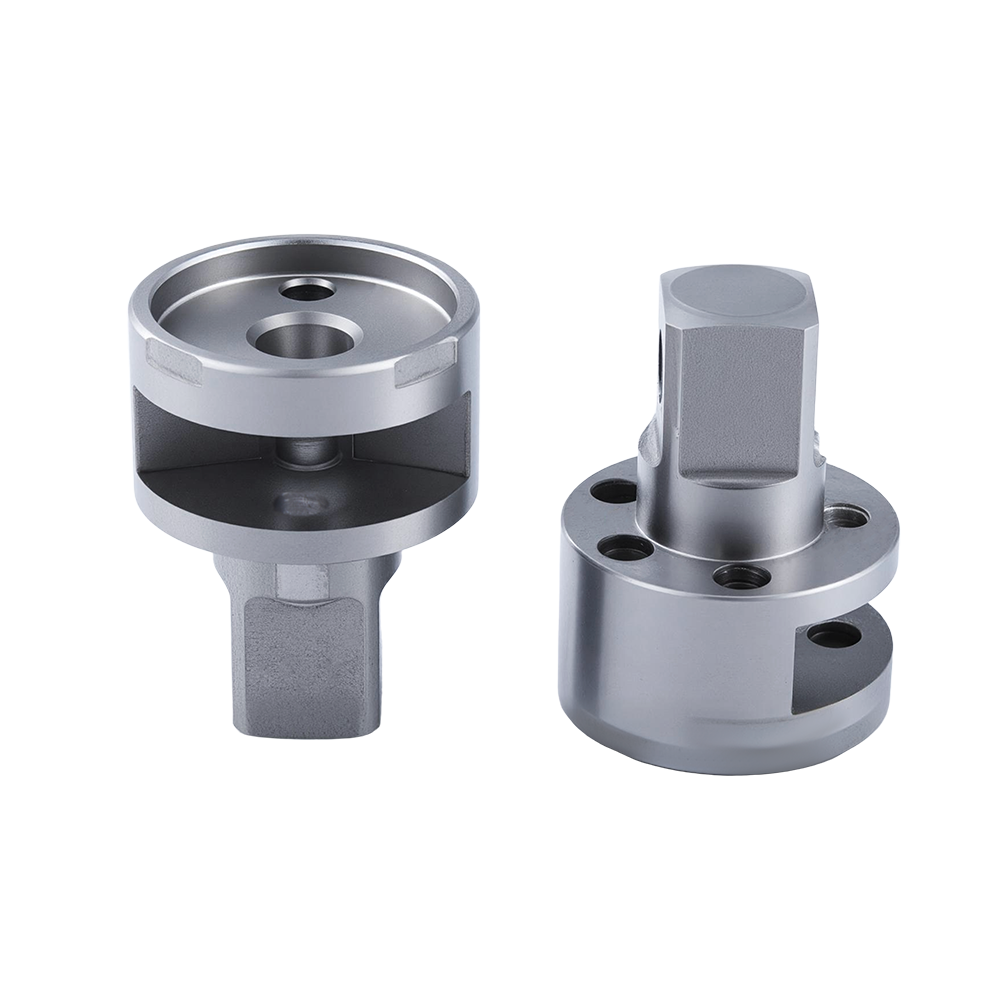 CNC Power Tool Precision Machined Ratchet
Material: 20CrNiMo
Finish: Natural
-
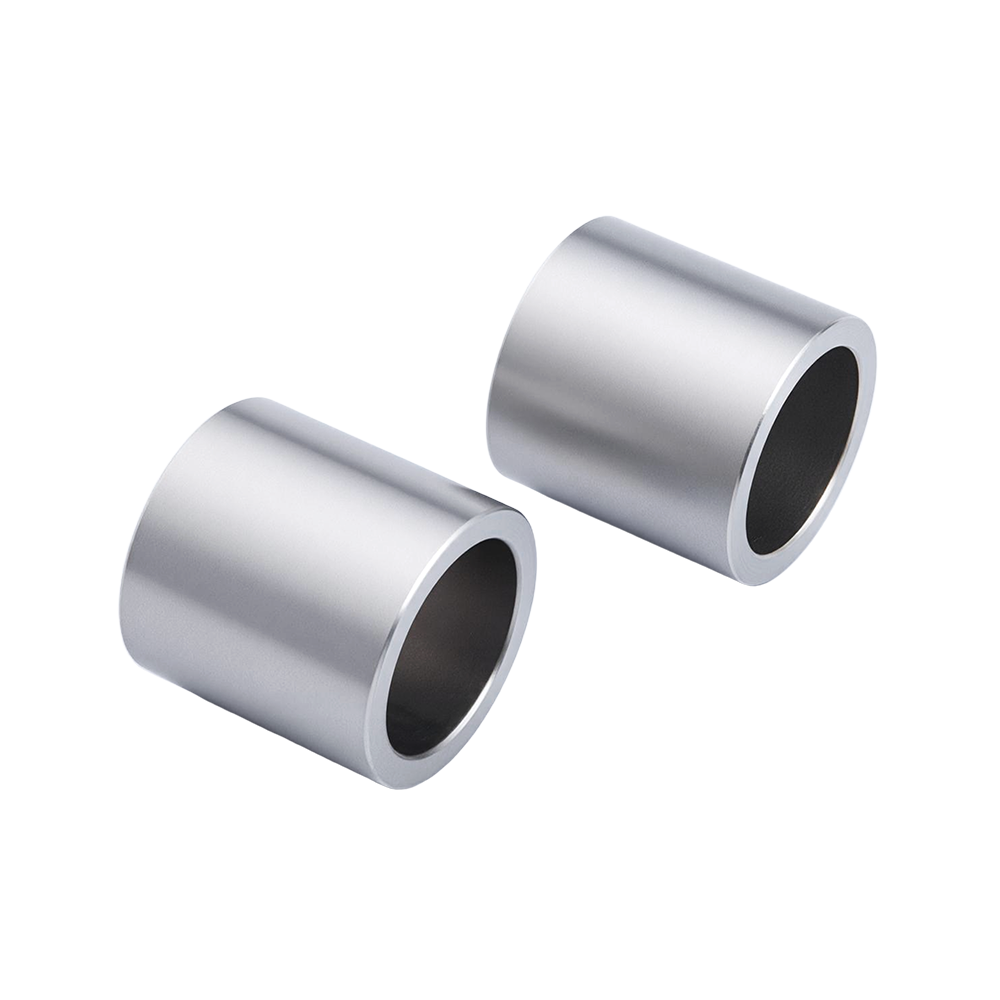
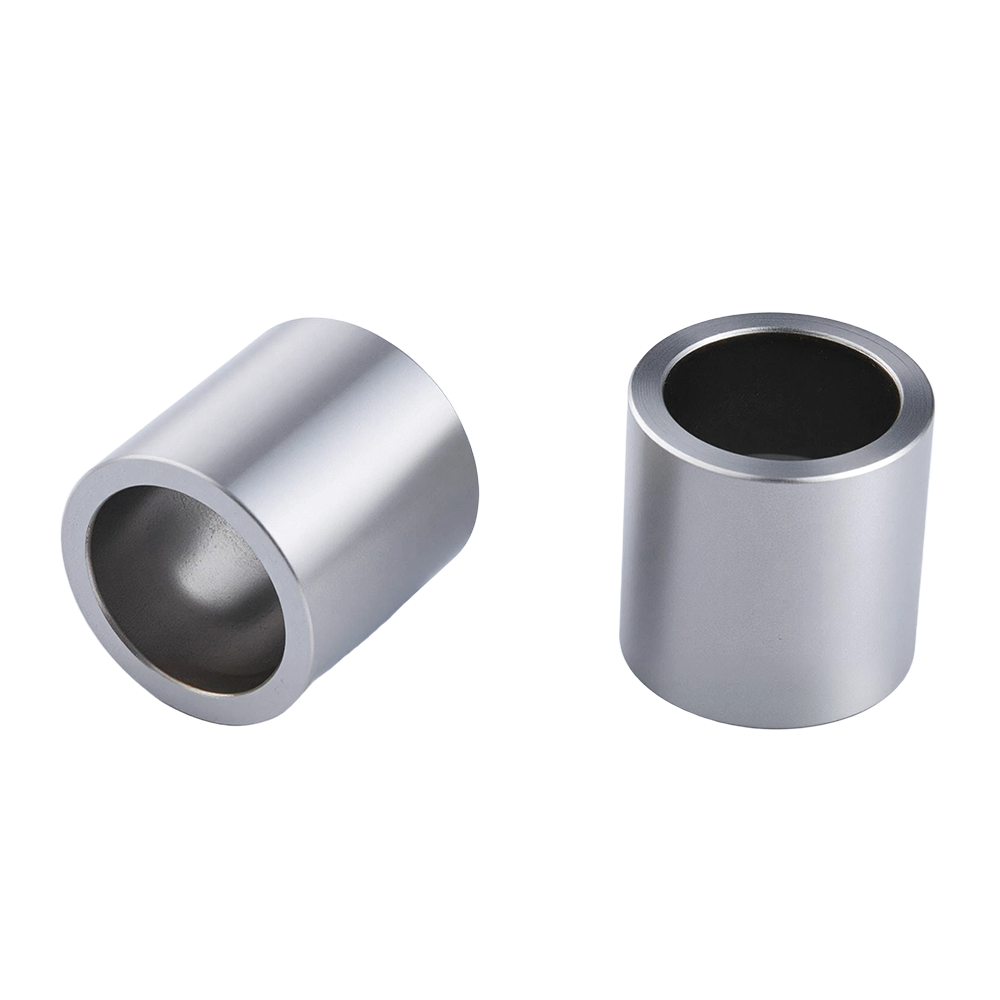 CNC Power Tool Precision Machined Shaft Sleeves
Material: GCr15
Finish: Natural
-
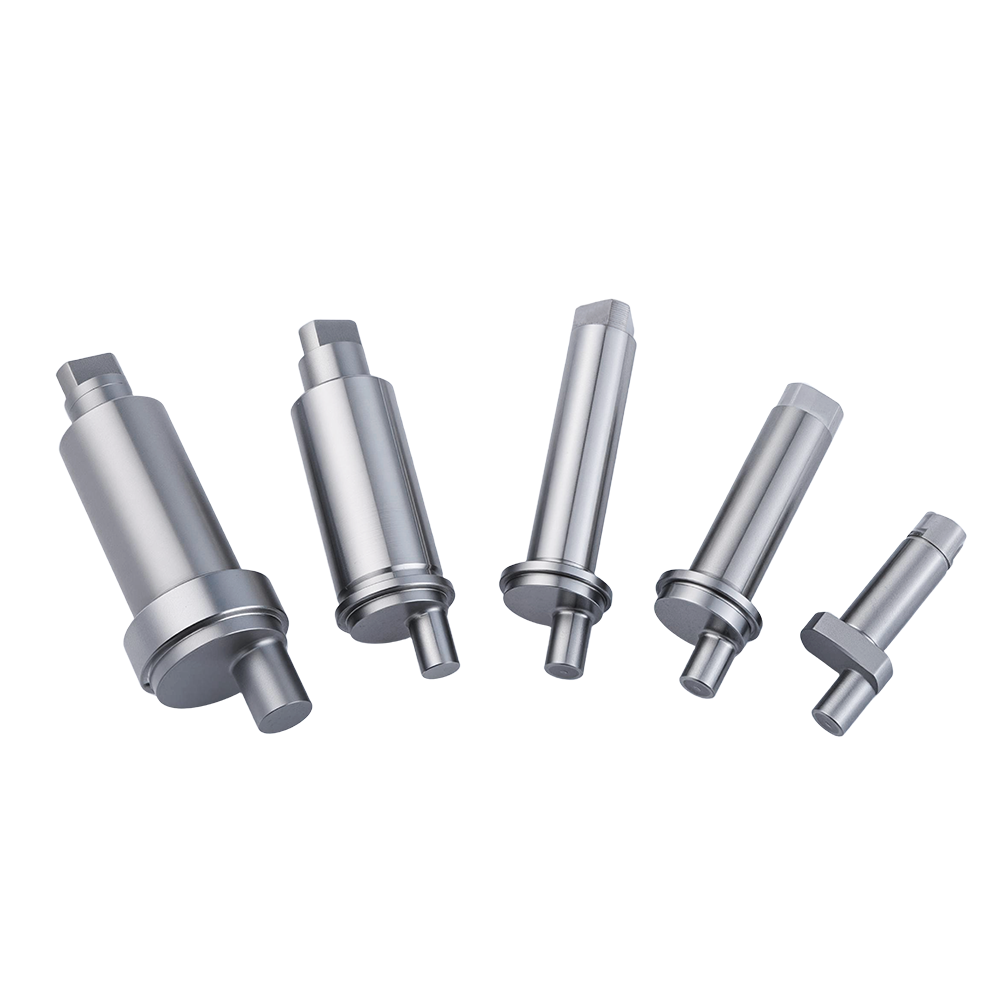 CNC Power Tool Precision Machined Eccentric Shaft
Material: 20CrNiMo
Finish: Natural
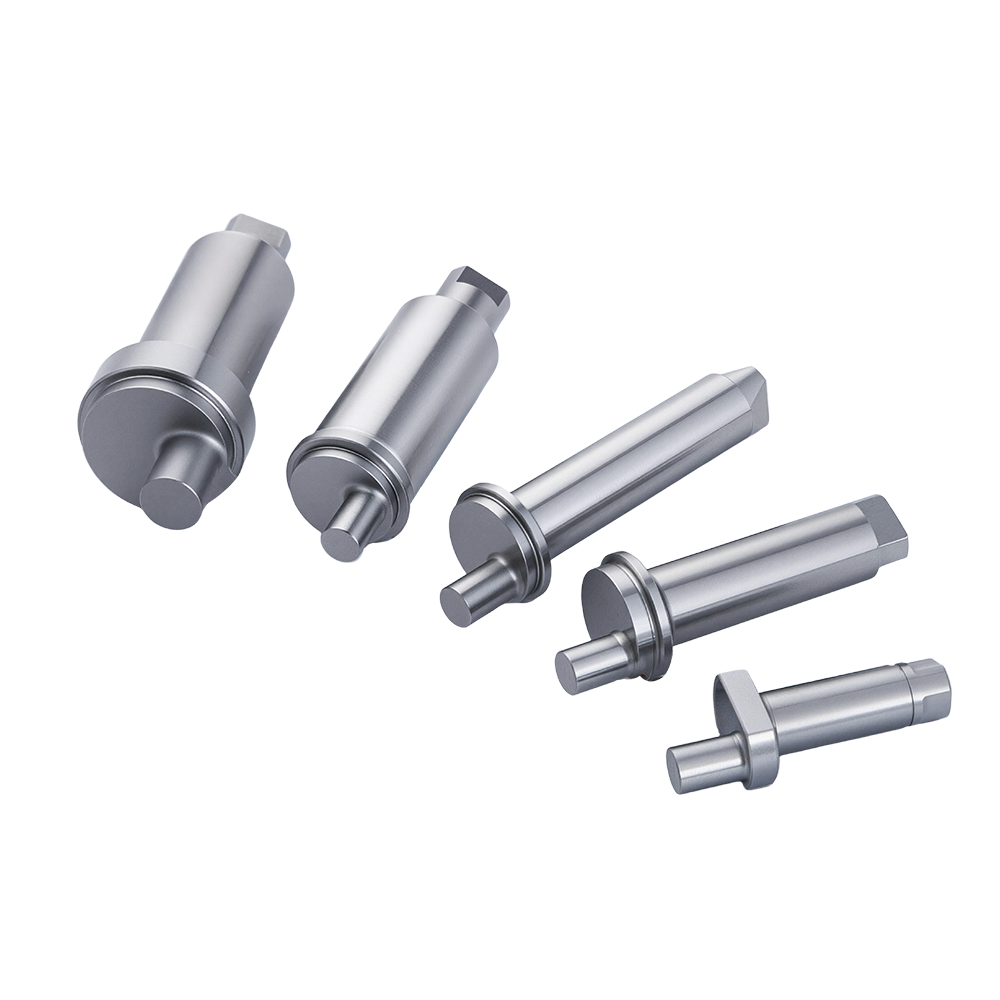
In the power tool parts sector, our regular product offerings include transmission components, planetary gear shafts, small module gears, motor shafts, ratchets, eccentric shafts, bearing rings, and more.
Message Feedback
About Us
Our company was established in 1990, with over 30 years of operational experience. We specialize in the production of precision and general hardware parts, supplying supporting components for the automotive, machinery, medical, home appliance, and other industries.
As a professional automotive parts manufacturer in China, we specialize in both custom and mass production. we are well-equipped with Japanese imported Star CNC Swiss-type lathes, domestic CNC lathes, machining centers, grinders, cleaning machines, and other production equipment. Our complete set of testing instruments is imported from Japan and Germany. Drawing on more than 30 years of expertise, we operate with integrity, keep innovating, and maintain sound business development.
Following the principle of Integrity Oriented, Quality Foremost, we adopt premium raw materials and apply strict quality inspection to ensure reliable product performance.
We warmly welcome domestic and overseas clients to visit our factory and explore cooperation opportunities.
Blog
-
-
Steel turned parts rarely get noticed. They sit inside a shock absorber, a liquid-cooling manifold, a power tool gearbox, or an optical instrument, quietly holding a shaft on centre, seating a valve,...
READ MORE -
CNC Turning and Precision Metal Parts Manufacturing Precision CNC machining is an essential process for manufacturing metal components used in a wide range of industrial applications. From aluminum pa...
READ MORE -
If you have ever stared at a drawing wondering whether the finishing note should read "chem film" or "anodize," you are in good company. The two finishes get compared constantly, and the honest answe...
READ MORE
Industry Knowledge
CNC Precision Machined Power Tool Parts Industry Background and Precision Manufacturing System
CNC Precision Machined Power Tool Parts, as a core foundational component of the modern power tool industrial chain, directly influence the overall performance of complete equipment in torque output, durability, and high-speed operational stability. With the global manufacturing industry evolving toward higher precision and consistency, the machining capability of power tool components has gradually become an important benchmark for evaluating the technical strength of suppliers and manufacturers.
In this field, components typically cover two major categories: transmission structural parts and power output critical parts, including transmission assemblies, planetary gear shafts, small module gears, motor shafts, ratchet components, eccentric shafts, and bearing rings. These parts require extremely high standards in dimensional tolerance, surface roughness, material heat treatment stability, and batch consistency, which places systematic requirements on factory equipment configuration and process control capabilities.
From a manufacturing perspective, factories with complete production chain capabilities usually adopt Japanese imported Star CNC Swiss-type lathes combined with multi-axis CNC lathes, machining centers, precision grinders, and cleaning equipment to form a closed-loop production system. In the inspection stage, high-precision testing instruments imported from Japan and Germany are used to control dimensional accuracy, coaxiality, runout, and tooth profile errors, ensuring that mass-produced CNC precision machined parts meet long-term operational requirements in the power tool industry.
In the supply chain structure, suppliers not only provide raw materials but also participate in material selection and machining adaptability verification. For example, in the application of high-strength alloy steel, stainless steel, and powder metallurgy materials, there is a close relationship between internal material structure and subsequent machining stability, which directly affects fatigue life performance under high-speed operating conditions of power tools.
In this industrial chain, Xierge Precision Machinery Co.,Ltd. serves as a manufacturing enterprise with many years of precision machining experience, forming a relatively complete processing and supply system in the field of CNC Precision Machined Power Tool Parts. Its production system covers the entire process from blank machining to finished product delivery with continuous and stable output capability at the factory level.
Machining Process System and Manufacturing Capability of Precision Power Tool Components
In the manufacturing process of power tool components, CNC machining technology is typically the core process throughout the entire production flow. Manufacturers, when converting structural designs into mass-producible parts, must comprehensively consider tool path planning, fixture stability, and machining cycle control to ensure dimensional consistency under high-volume production conditions.
In the machining of transmission components such as planetary gear shafts and small module gears, Swiss-type CNC lathes effectively improve coaxiality control of slender shaft parts while reducing errors caused by secondary clamping. In eccentric shafts and ratchet components, multi-axis machining centers enable complex surface and eccentric structure machining in a single setup, reducing cumulative manufacturing errors.
Factories typically classify different types of power tool parts into independent machining units to standardize process management. Shaft parts are concentrated in turning units, gear parts in hobbing and precision grinding units, and bearing ring parts rely more on high-precision grinding and dimensional stability after heat treatment.
In quality inspection systems, collaboration between manufacturers and suppliers is particularly important. High-end factories usually set multiple inspection points during production, including first article inspection, in-process inspection, and final inspection, ensuring each batch of products is fully verified before assembly.
| Component Type | Typical Material | Key Machining Equipment | Main Precision Control Points |
|---|---|---|---|
| Transmission Assembly | Alloy Steel / Carburized Steel | CNC Swiss-type Lathe / CNC Lathe | Coaxiality, Torque Transmission Stability |
| Planetary Gear Shaft | Carburized Steel / High-strength Steel | Multi-axis Machining Center | Tooth Pitch Error, Surface Hardness Uniformity |
| Small Module Gear | Alloy Steel / Powder Metallurgy | Gear Hobbing Machine / Precision Grinder | Tooth Profile Accuracy, Meshing Clearance |
| Motor Shaft | Stainless Steel / Alloy Steel | High-precision CNC Lathe | Roundness, Surface Roughness |
| Bearing Ring | Bearing Steel | High-precision Grinder | Dimensional Tolerance, Runout |
In the power tool industry, the automation level of manufacturing factories directly affects product stability. With machining equipment evolving toward higher rigidity and dynamic response, suppliers continuously improve equipment investment and process optimization, enabling better batch consistency of CNC Precision Machined Power Tool Parts.
Manufacturing Collaboration and Application Expansion in the Global Supply Chain System
In the global power tool market, the supply chain system is typically composed of manufacturers, suppliers, and factories. Manufacturers are responsible for product design and application definition, suppliers provide materials and basic processing support, while factories undertake precision manufacturing and mass delivery tasks. In this system, CNC Precision Machined Power Tool Parts serve as fundamental functional components throughout the product lifecycle.
In industrial power tool application scenarios, the stability of power transmission systems depends on the coordinated operation of multiple precision components. Under high torque output conditions, gear systems and shaft components must complete energy transmission in extremely short time while maintaining low loss and low noise operation, requiring continuous high-level machining precision.
On the supply side, material suppliers provide different grades of alloy materials according to manufacturer requirements and optimize them for machining performance. On the manufacturing side, factories optimize cutting parameters and tool paths to balance efficiency and precision.
Xierge Precision Machinery Co.,Ltd. plays a dual role as both manufacturer and factory in this industrial chain. Its long-term accumulated machining experience enables strong adaptability in complex structural component processing, especially in multi-axis machining and high-precision shaft manufacturing.
During product iteration in the power tool industry, component structures continue to evolve toward lightweight and high-strength designs, driving further application of CNC machining in micro-structural parts. Small module gears and miniature transmission shafts are increasingly used in high-speed rotating equipment, requiring higher minimum feed precision and tool stability.
In terms of market demand, different regional manufacturers have differentiated requirements, but the overall trend is toward higher reliability and longer service life, strengthening the position of suppliers with complete production systems in the global market.
Precision Manufacturing Quality Control System and Industrial Technology Evolution
In the production process of CNC Precision Machined Power Tool Parts, quality control runs through all stages from raw material intake to finished product shipment. Factories typically implement standardized procedures and digital inspection methods to monitor machining deviations in real time.
In heat treatment processes, hardness uniformity directly affects wear resistance under high load conditions. Therefore, dimensional compensation and stress relief treatments are often applied before and after heat treatment. In precision grinding, surface roughness control becomes a key factor affecting friction loss and energy efficiency.
Modern factories widely use coordinate measuring machines and optical inspection equipment to scan complex structural parts, ensuring geometric consistency across batches. This has become a standard configuration in high-end supplier systems.
With the development of intelligent power tools, component manufacturing increasingly integrates data management systems, recording machining parameters, tool life, and equipment status to ensure traceability and stable output across batches.
In supply chain collaboration, information synchronization between suppliers and factories improves continuously, shortening response cycles from order to production. Manufacturers can adjust component parameters rapidly based on market feedback.
In this evolving industrial system, Xierge Precision Machinery Co.,Ltd. relies on its long-term precision machining capability and complete equipment system to maintain stable manufacturing output in CNC Precision Machined Power Tool Parts and participate in multi-industry component supply networks.
FAQ
Q1: What equipment structures are CNC Precision Machined Power Tool Parts mainly used in?
They are mainly used in power transmission systems and rotating execution systems inside power tools, including gear transmission structures, motor output shafts, and torque conversion structures.
Q2: How do manufacturers ensure dimensional consistency during production?
Manufacturers typically rely on high-precision CNC equipment, multi-stage inspection processes, and stable fixture systems, combined with compensation processes before and after heat treatment.
Q3: What equipment is mainly used in factories producing power tool parts?
Typical factories are equipped with CNC Swiss-type lathes, multi-axis machining centers, CNC lathes, precision grinders, and cleaning machines, supported by high-end inspection instruments.
Q4: What is the role of suppliers in the industrial chain?
Suppliers are responsible for stable raw material supply and participate in material performance optimization and machining adaptability verification, providing a reliable material foundation for manufacturers.
Q5: What is the positioning of Xierge Precision Machinery Co.,Ltd. in this field?
The company functions as both a manufacturer and factory in precision power tool components, providing full-process capabilities from machining to inspection and participating in multi-industry supply systems.
Don't hesitate to contact when you need us!

Since its establishment in 1990, the company has 35 years of history.
- Products
- CNC Precision Machined Automotive Parts
- CNC Precision Machined Liquid Cooling Parts
- CNC Precision Machined Power Tool Parts
- CNC Precision Machined Optical Components
- Customize
- Swiss Turning
- Machining Center
- CNC Milling&Turning
- Centerless Grinding Machine
- Cylindrical Grinding Machine
- Contact
-
-
TEL: +86-0574-62480516

-
E-mail: [email protected]

-
Phone: +86-13175199595

-
Address: Address: No. 6 Shiji 1st Road, Mazhu Doumen Development Zone, Yuyao City, Zhejiang Province, China

-
Copyright ©
Xierge Precision Machinery Co.,Ltd.
All rights reserved.
Custom CNC Precision Machined Power Tool Parts Suppliers

