

 English
  中文简体
中文简体 
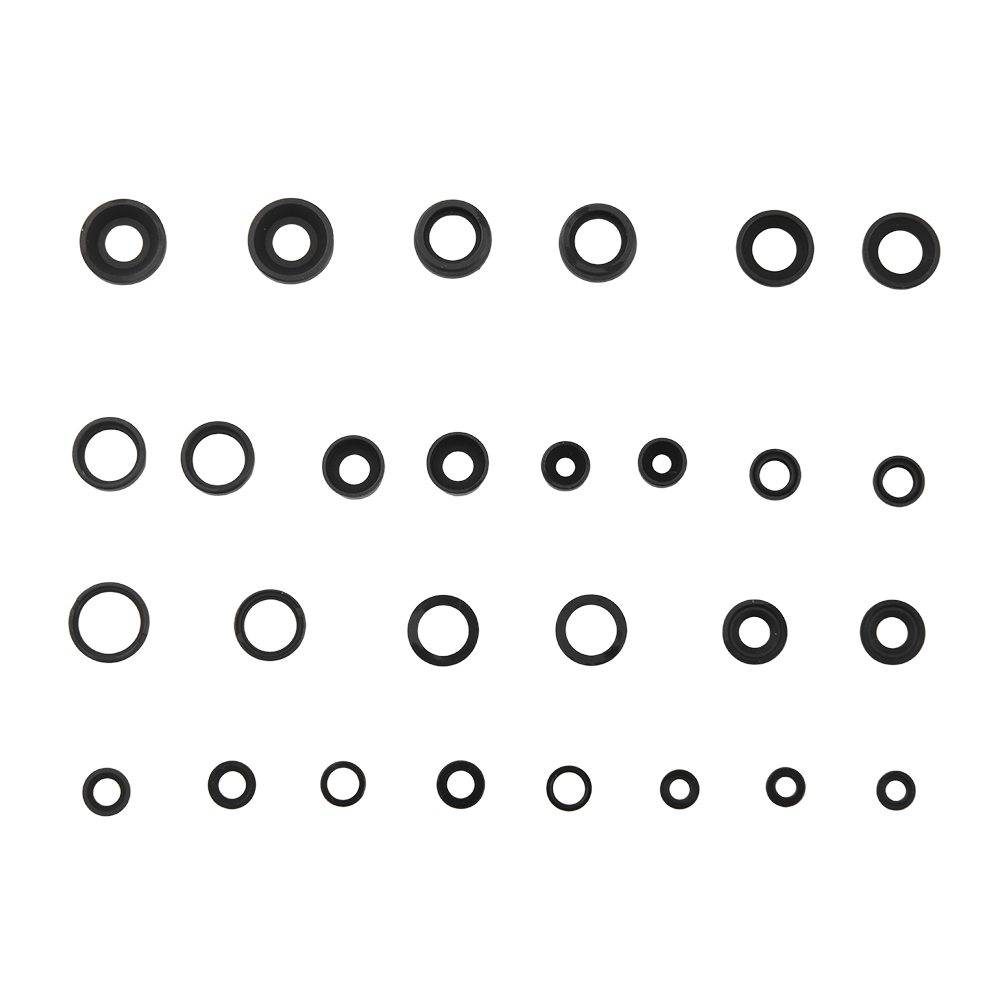
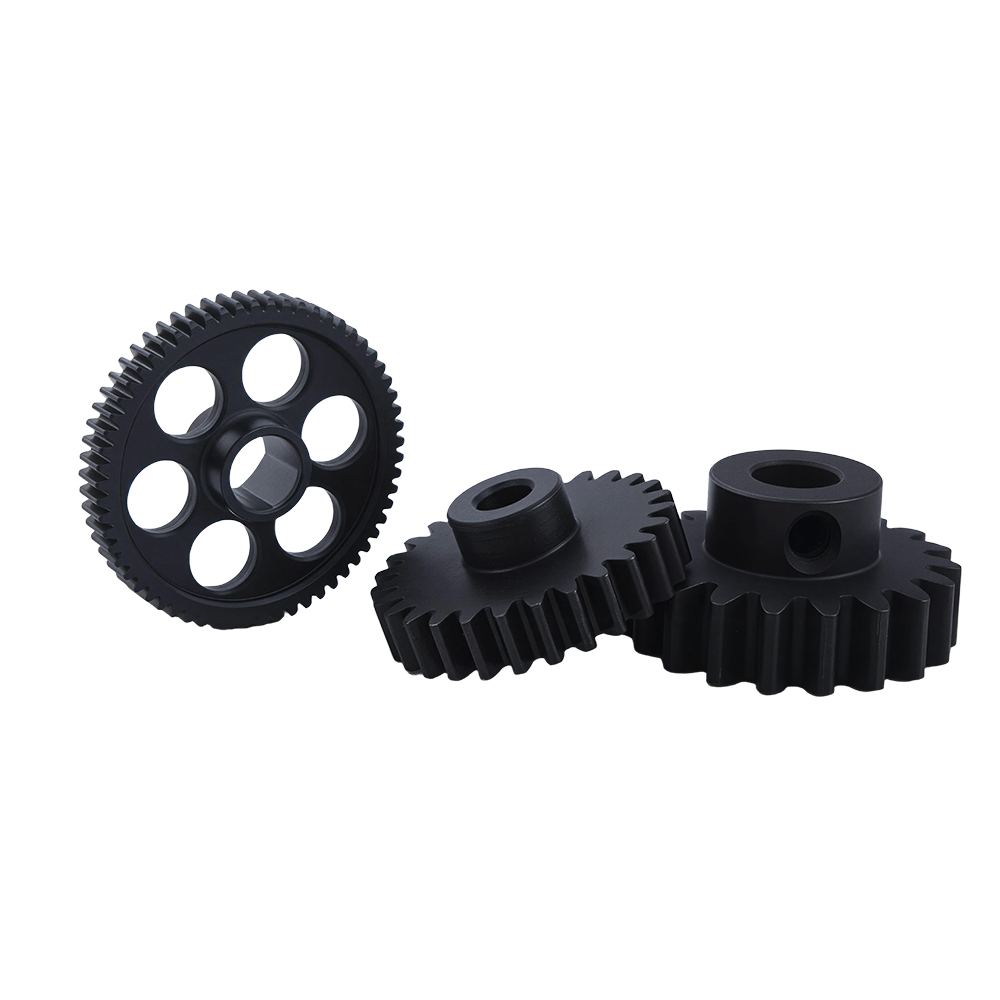
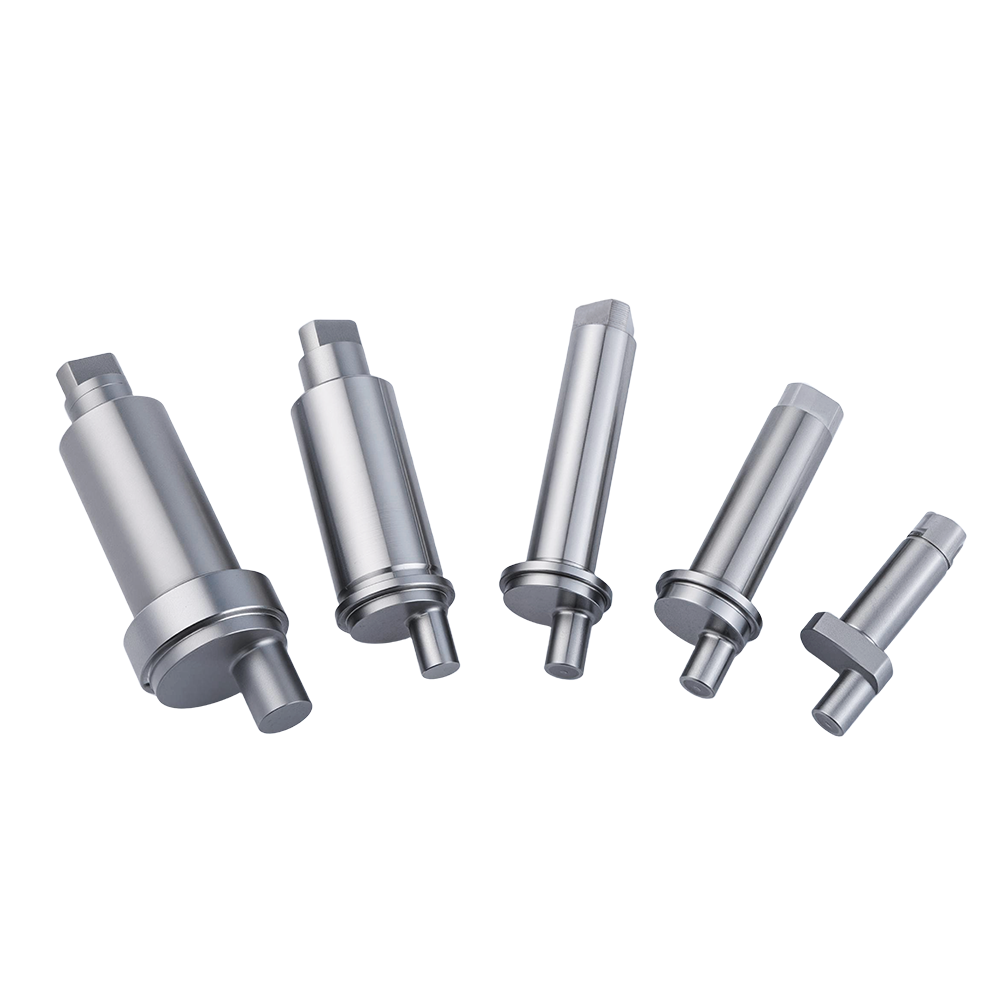
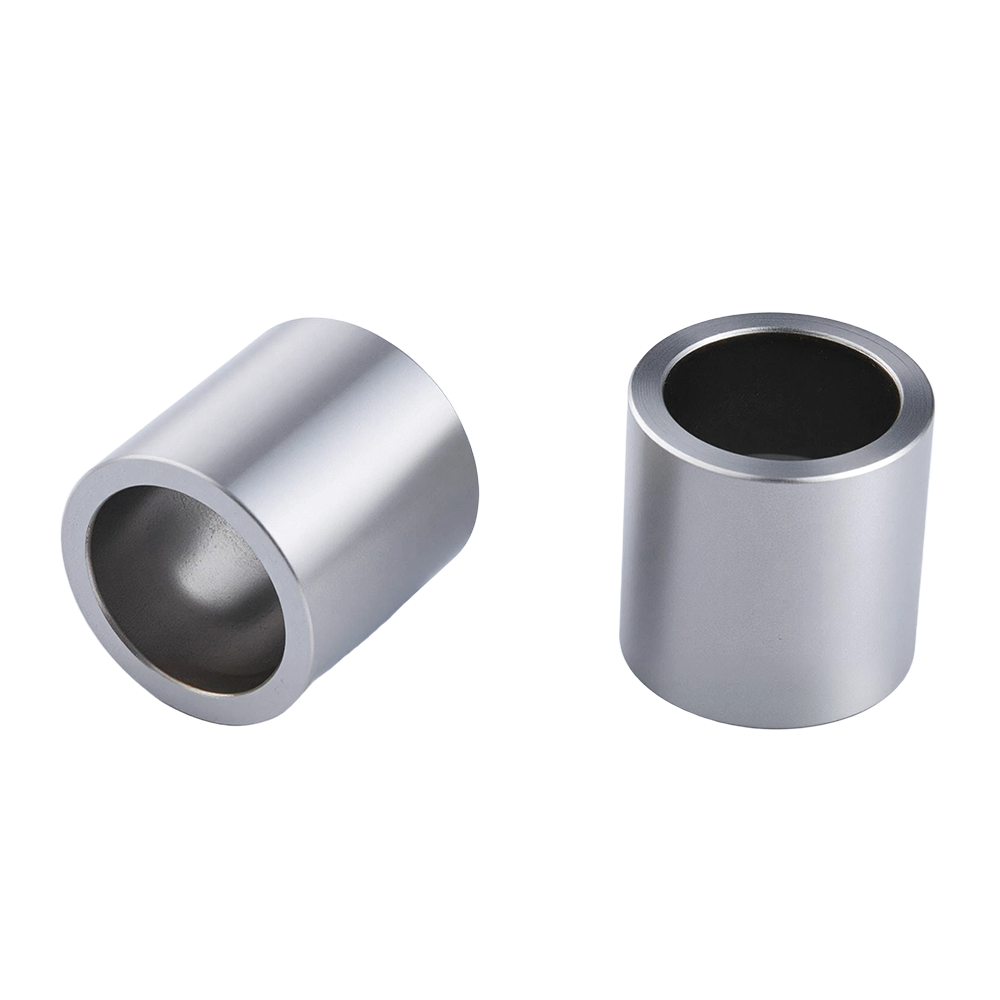
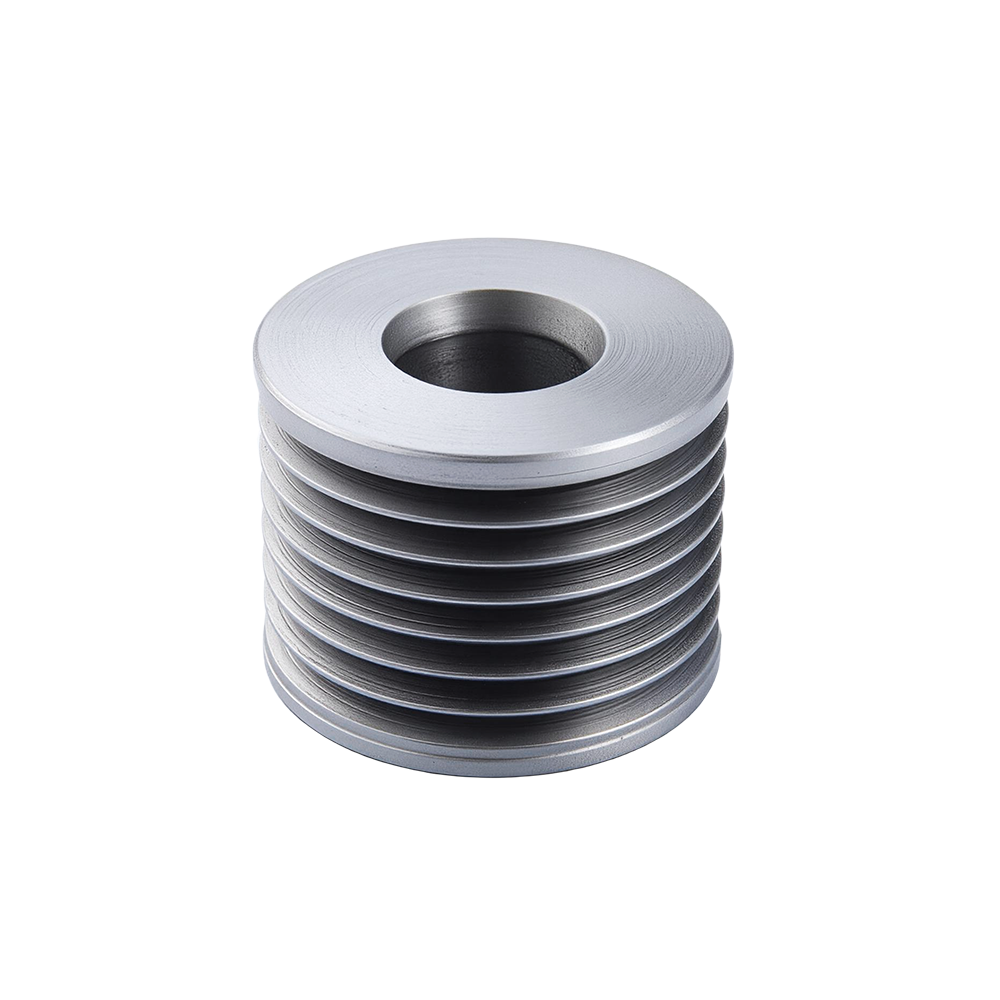
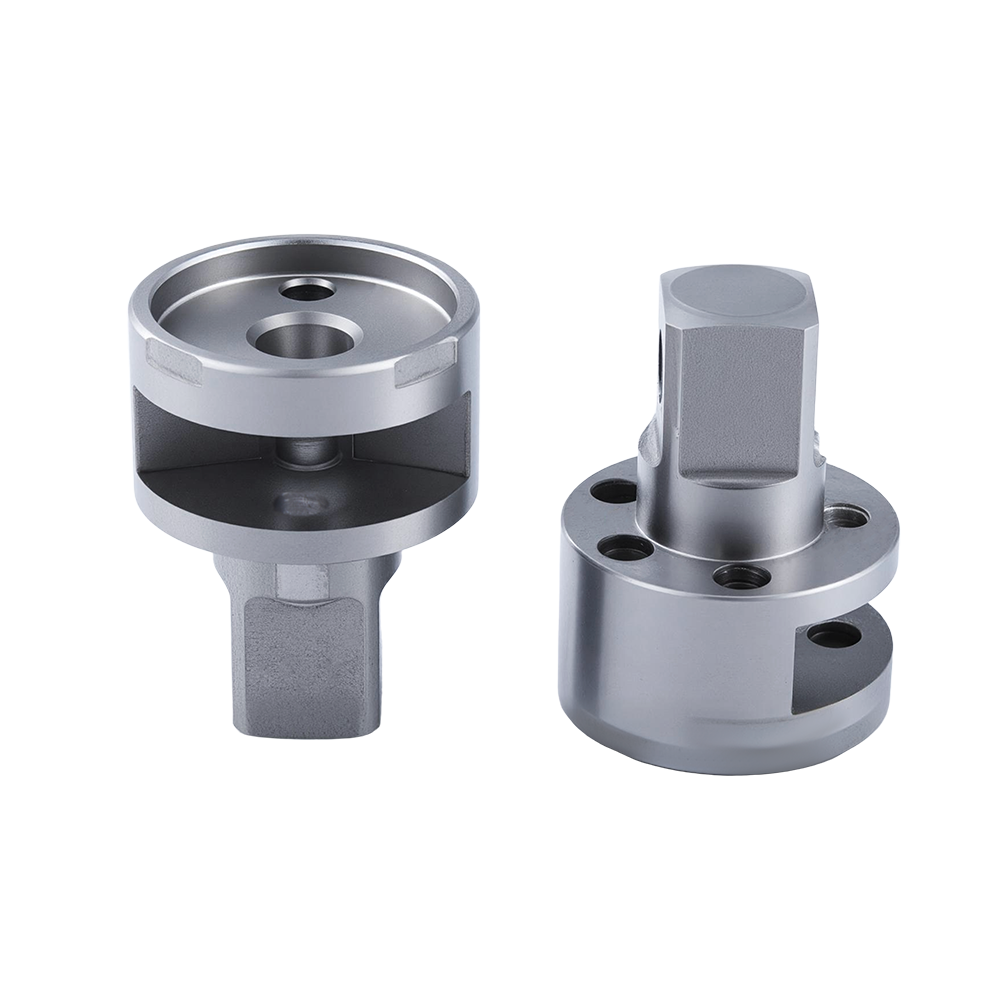
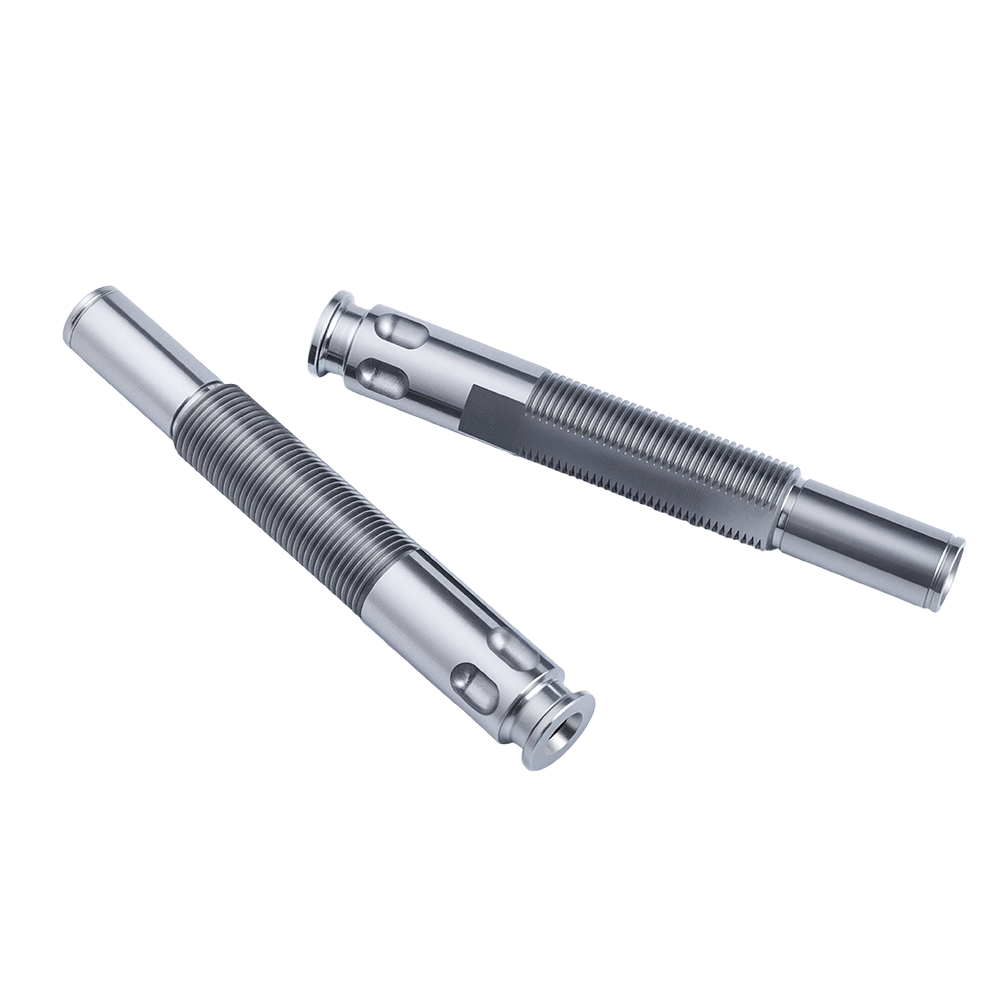
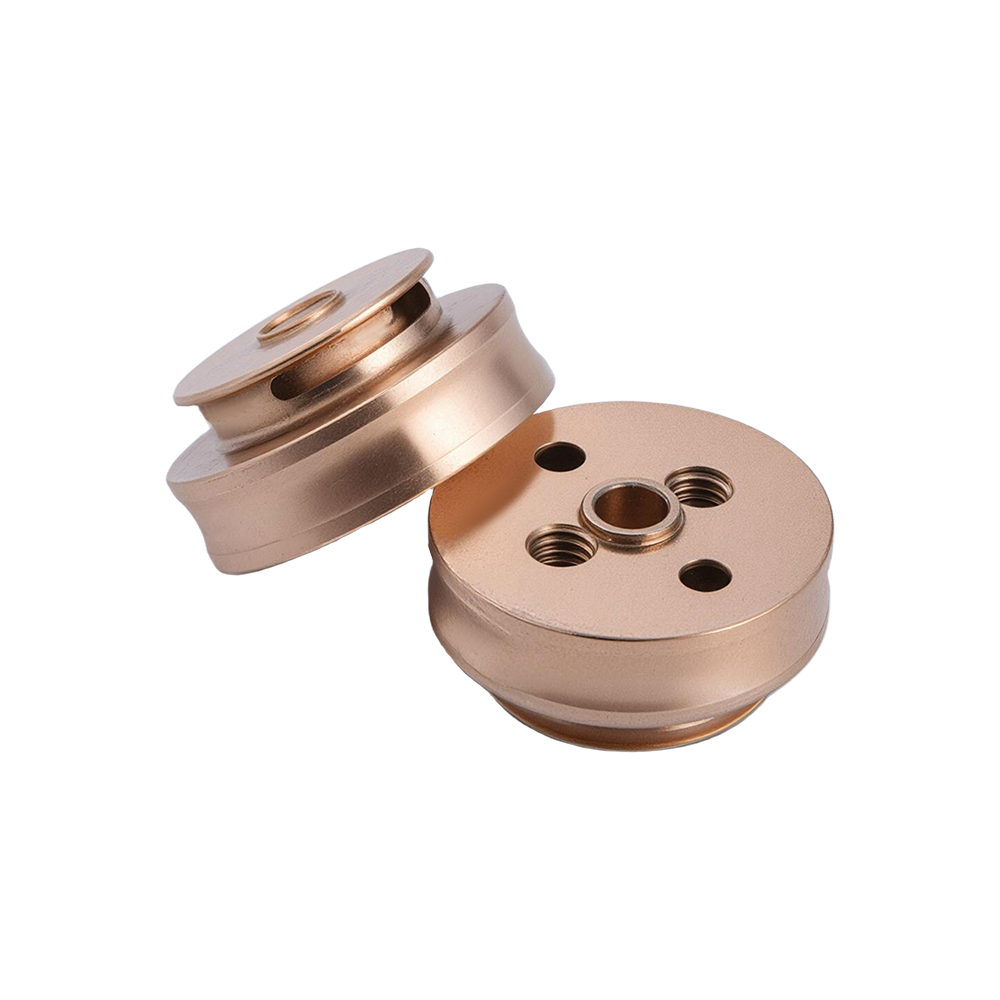
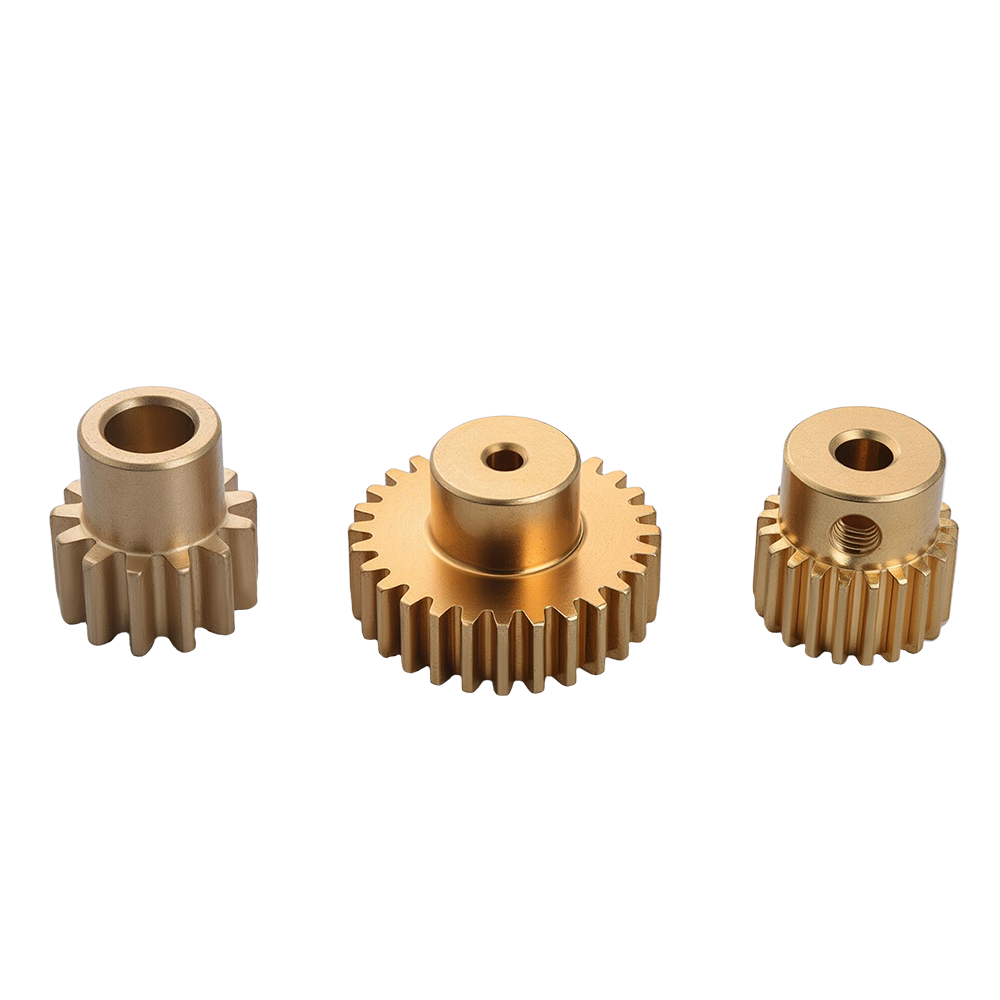
CNC Optical & Instrument Parts Technical Specifications
| Part Types | Valve Guides, Piston Pins, Fuel Injector Sleeves, Timing Gear Shafts, Tappets |
|---|---|
| Primary Equipment | Star CNC Swiss-type Lathes, 4-axis CNC Machining Centers, Cylindrical Grinders |
| Dimensional Tolerance | Critical Diameters: ±0.005mm; Inner Bores (H7): ±0.005mm |
| Geometric Tolerances | Concentricity: 0.005mm; Straightness: 0.002mm/100mm; Cylindricity: 0.003mm |
| Common Materials | GCr15 (AISI 52100), 42CrMo, SUJ2, 40Cr, Ductile Iron |
| Heat Treatment | Quenching & Tempering, Induction Hardening (HRC 58-62 on functional surfaces) |
| Surface Roughness (Ra) | Ground/Honed Bores & Journals: Ra 0.2 - Ra 0.4; Turned: Ra 0.8 |
| Machining Features | Micro Lubrication Holes, Complex Tapers, Snap Ring Grooves, Internal Threads |
| Surface Treatments & Cleaning | Nitriding, Black Oxide, Phosphating, Ultrasonic Cleaning |
| Inspection Equipment | Japanese/German CMM, Roundness Testers, Hardness Testers, Air Gauges |
High-Precision CNC Optical & Instrument Parts for Extreme Thermal and Mechanical Demands
At Xierge Precision Machinery Co., Ltd., we leverage over 30 years of operational experience since 1990 to manufacture premium CNC Optical & Instrument Parts for the global automotive and industrial machinery sectors. Engine components—such as valve guides, piston pins, fuel injector nozzles, and timing gear shafts—are subjected to extreme thermal stress, explosive combustion pressures, and high-frequency cyclic fatigue. These demanding applications require the components to possess extreme tensile strength, flawless concentricity, and superior surface finishes. In high-speed rotary or continuous combustion environments, even a microscopic deviation in cylindricity, a slight surface defect, or improper material density can lead to oil leakage, accelerated wear, catastrophic engine failure, and increased emissions.
To achieve flawless results, our state-of-the-art facility is equipped with Japanese imported Star CNC Swiss-type lathes, advanced multi-axis CNC machining centers, and high-precision internal and external cylindrical grinders. The specialized guide bushing technology on our Swiss lathes provides continuous, rigid support, completely eliminating deflection when machining long, slender geometries like valve stems or pushrods. This specialized equipment allows us to turn complex stepped profiles, drill precision micro-lubrication holes, and machine intricate threaded ends in a single continuous setup, ensuring absolute coaxiality between the bearing journals and functional diameters.
Following our core principle of "Integrity Oriented, Quality Foremost," we strictly adopt premium raw materials, such as GCr15 bearing steel, 42CrMo, and SUJ2, to ensure maximum structural integrity and wear resistance. To guarantee reliable product performance, we apply strict quality inspection protocols utilizing a complete set of testing instruments imported directly from Japan and Germany, verifying hardness, dimensional accuracy, and geometric tolerances. We keep innovating to maintain sound business development and warmly welcome domestic and overseas clients to visit our factory and explore custom OEM/ODM cooperation opportunities.
Core Advantages of Xierge CNC Optical & Instrument Parts
- Extreme Fatigue and Thermal Resistance: We strictly select GCr15 and 42CrMo alloy steels, applying precise induction hardening to functional surfaces to achieve HRC 58-62, providing excellent wear resistance against explosive combustion pressures.
- Zero-Deflection Slender Machining: Our Japanese Star CNC Swiss-type lathes utilize continuous guide bushing support, enabling the machining of long, slender components like valve guides without bending, ensuring superior straightness.
- Single-Setup Coaxiality Control: By turning complex profiles, drilling micro-holes, and machining grooves in highly rigid, single continuous setups, we eliminate secondary clamping errors, maintaining strict coaxiality for smooth high-RPM operation.
- Advanced Precision Grinding & Honing: Equipped with high-precision internal and external cylindrical grinders, we achieve mirror-like finishes (Ra 0.2) on bearing journals and inner bores, significantly reducing friction and preventing oil leakage.
- Burr-Free Micro-Hole Drilling: To prevent internal debris from scoring cylinder walls or blocking fuel injectors, we utilize specialized gun drilling and thermal energy deburring (TEM), followed by rigorous ultrasonic cleaning.
- Thermal Deformation Correction: For hardened engine parts, we meticulously manage heat treatment and utilize precision post-grinding to correct any micro-warping, restoring exact cylindricity and straightness tolerances.
- 3-Decade Automotive OEM/ODM Expertise: Since 1990, we have continuously innovated, providing DFM (Design for Manufacturing) optimization and full PPAP documentation for custom engine components, scaling seamlessly from prototyping to mass production.
Payment Methods & Global Logistics Solutions
Secure International Payment Terms:
To facilitate smooth B2B international trade, we offer flexible and secure payment options. For mass production orders of CNC Optical & Instrument Parts, we accept standard T/T (Telegraphic Transfer) with a 30% advance deposit and 70% balance before shipment. For large-scale automotive Tier-1 supply contracts, we are fully capable of processing Irrevocable Letters of Credit (L/C) at sight. For initial prototyping, sample orders, or custom tooling fees, PayPal and Western Union are also available to expedite the process.
Global Logistics & Protective Packaging:
We provide comprehensive end-to-end shipping solutions under FOB, CIF, and DAP Incoterms. For urgent prototypes or small batches, we utilize expedited international couriers such as DHL, FedEx, and UPS. For bulk mass production, we offer highly competitive sea freight (LCL/FCL) and air cargo rates through our trusted global forwarder network. Recognizing that engine precision parts are often long, slender, or thin-walled components with delicate ground surfaces and micro-holes highly susceptible to bending, pitting, and oxidation, we utilize specialized packaging: each part is individually coated in heavy anti-rust oil and wrapped in VCI (Volatile Corrosion Inhibitor) paper. To prevent point contact and deformation, parts are suspended in custom rigid cardboard tubes or closely spaced multi-layer EPE foam slots, packed in sturdy export-grade cartons or heat-treated wooden cases to ensure zero deformation during international transit.
FAQ
Slender components naturally deflect under cutting pressure. We utilize Japanese Star CNC Swiss-type lathes equipped with adjustable carbide guide bushings that provide continuous, close-fitting support to the bar stock just millimeters from the cutting tool. We also apply optimized pecking cycles and sharp carbide tooling with minimal radial forces, ensuring the components remain perfectly straight.
Induction hardening localized journals on slender shafts can induce slight thermal warping. We account for this by leaving a specific grinding allowance (typically 0.2-0.3mm) on critical diameters before heat treatment. Post-quenching, we utilize precision CNC cylindrical grinders to systematically remove the deformed layer, restoring the exact diameter, cylindricity, and straightness tolerances required for smooth engine operation.
Internal burrs can break off and destroy engine bearings or block oil galleries. We use specialized gun drills and carbide micro-drills with optimized pecking cycles directly on the Swiss lathes. This is followed by precision back-chamfering tools. For absolute assurance, we employ thermal energy deburring (TEM) to vaporize any remaining micro-burrs, followed by rigorous ultrasonic cleaning.
Standard hand tools cannot accurately assess these geometric tolerances. We utilize imported Japanese and German Coordinate Measuring Machines (CMM) and precision roundness testers. The component is supported on V-blocks or precision centers, and the machine traces multiple points along the length and circumference to map straightness, cylindricity, and coaxiality.
For piston pins subjected to extreme alternating loads and explosive combustion pressures, we highly recommend GCr15 (AISI 52100) or SUJ2 bearing steel. After precision machining, we apply through-hardening and tempering to achieve HRC 58-62. This provides a highly durable, anti-galling surface layer capable of withstanding high-friction, high-temperature engine environments.
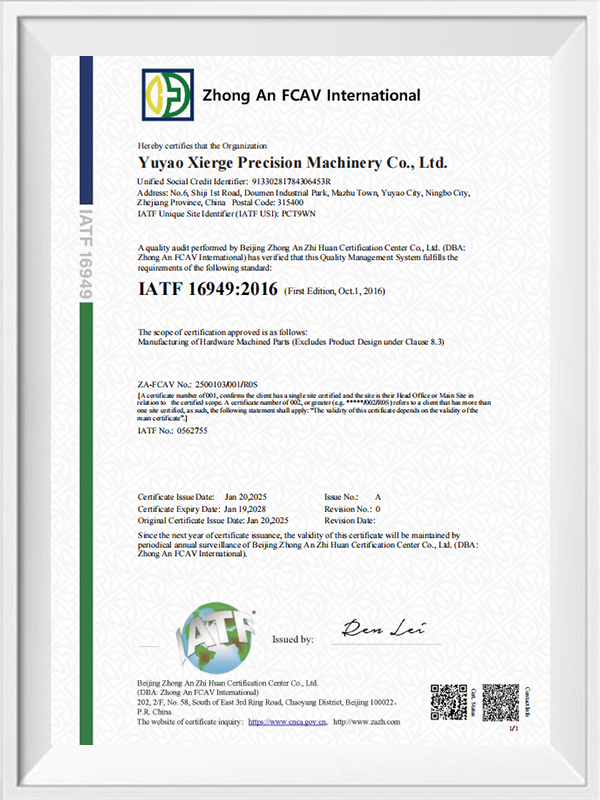
Yes. With over 30 years of experience supplying the automotive industry, we are fully compliant with PPAP (Production Part Approval Process) and APQP (Advanced Product Quality Planning) requirements. We provide complete documentation, including dimensional layouts, material mill certificates, heat treatment logs, capability studies (Cpk/Ppk), and measurement system analysis (MSA) to ensure seamless integration into your automotive supply chain.