


 English
  中文简体
中文简体 
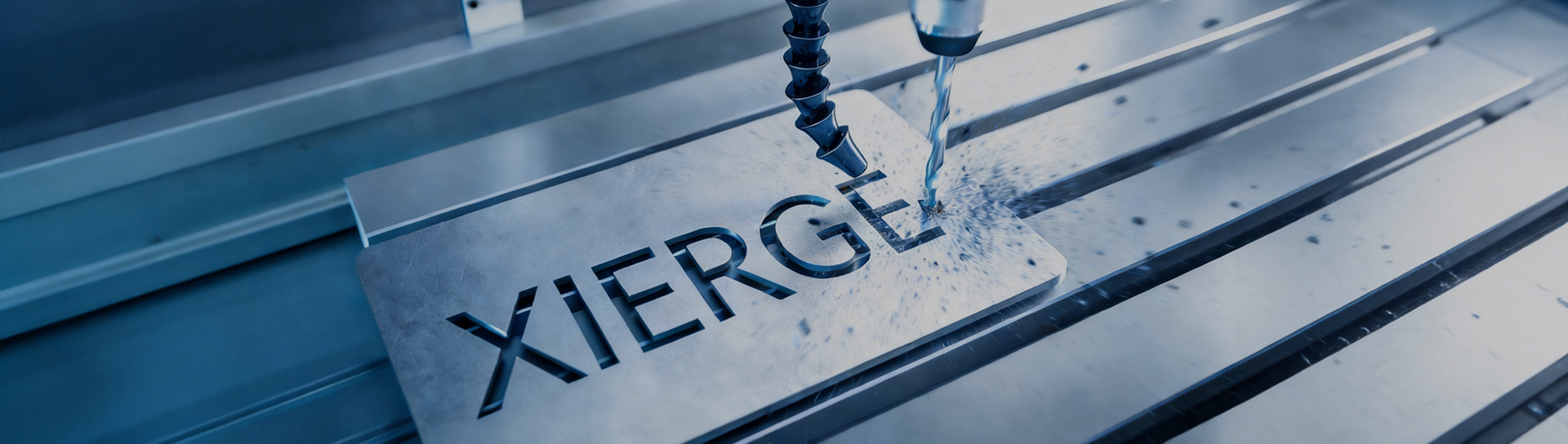
Why Are High-Precision CNC Machined Liquid Cooling Components the Essential Key to Unleashing Massive AI Computing Power?
Content
- 1 Understanding High-Precision Liquid Cooling for AI Computing
- 2 Why High-Precision Liquid Cooling Matters for AI Infrastructure
- 2.1 Sustaining Peak Processor Performance
- 2.2 Enabling Higher Rack Density
- 2.3 Improving Overall Energy Efficiency
- 2.4 Reducing Noise and Mechanical Wear
- 2.5 Supporting Reliability and Hardware Longevity
- 2.6 Meeting Sustainability and Efficiency Targets
- 2.7 Accommodating the Trajectory of AI Hardware Development
- 3 Selection, Implementation, and Operational Considerations
- 3.1 Evaluating Cold Plate Design and Contact Precision
- 3.2 Assessing Coolant Compatibility and Properties
- 3.3 Flow Rate and Pressure Management
- 3.4 Integration with Existing Data Center Infrastructure
- 3.5 Leak Prevention and Safety Protocols
- 3.6 Monitoring and Predictive Maintenance
- 3.7 Total Cost of Ownership Considerations
- 3.8 Future Directions in Liquid Cooling for AI Hardware
- 3.9 Conclusion
The rapid growth of artificial intelligence workloads has placed unprecedented demands on data center infrastructure, particularly in the area of thermal management. As processors dedicated to training and running large AI models pack more computing power into smaller physical footprints, the heat generated by this density has outpaced what traditional air cooling can effectively manage. High-precision liquid cooling components for AI computing power have emerged as a critical response to this challenge, enabling data centers to support the next generation of high performance computing hardware reliably and efficiently.
This article provides a comprehensive look at high-precision liquid cooling components for AI computing power, examining how these systems work, why they have become essential for modern AI infrastructure, and what factors influence their design, selection, and long term operation.
Understanding High-Precision Liquid Cooling for AI Computing
High-precision liquid cooling refers to thermal management systems that use liquid as the primary medium for transferring heat away from high density computing hardware, with engineering tolerances and control systems designed to maintain extremely consistent and accurate temperature regulation. Unlike traditional air cooling, which relies on fans moving ambient air across heat sinks, liquid cooling takes advantage of the superior heat transfer properties of liquid coolants to remove heat far more efficiently from densely packed processors, memory modules, and supporting hardware used in AI computing environments.
The term high-precision in this context refers to the level of engineering accuracy required throughout the system, from the manufacturing tolerances of cold plates that interface directly with processors, to the responsiveness of flow control and temperature monitoring systems that adjust cooling output in real time based on actual workload demands. As AI processors generate increasingly concentrated and variable heat loads, this precision becomes essential to prevent both overheating and unnecessary energy waste from overcooling.
Core Components of a Liquid Cooling System
A complete high-precision liquid cooling system for AI computing hardware typically consists of several interconnected components, each engineered to a specific function within the overall thermal management architecture.
| Component | Function |
|---|---|
| Cold plates | Mount directly onto processors or memory to absorb heat into the coolant loop |
| Manifolds and distribution units | Distribute coolant evenly across multiple servers or racks within a system |
| Pumps | Circulate coolant through the system at controlled flow rates and pressures |
| Heat exchangers | Transfer absorbed heat from the internal coolant loop to an external rejection system |
| Quick disconnect fittings | Allow safe connection and disconnection of coolant lines during maintenance |
| Sensors and control systems | Monitor temperature, flow rate, and pressure to enable precise real time adjustment |
Each of these components must be engineered to extremely tight tolerances, since even minor inconsistencies in flow distribution or cold plate contact can lead to localized hot spots capable of degrading processor performance or, in severe cases, causing hardware failure under the sustained high loads typical of AI training and inference workloads.
Types of Liquid Cooling Architectures
Several distinct liquid cooling architectures have emerged to address different scales and configurations of AI computing infrastructure.
Direct to Chip Cooling
Cold plates are mounted directly onto processors and other high heat components, allowing coolant to absorb heat at the source with minimal thermal resistance, making this approach particularly well suited to the concentrated heat loads generated by AI accelerators.
Single Phase Liquid Cooling
Uses a liquid coolant that remains in liquid form throughout the cooling cycle, absorbing and transporting heat without undergoing a phase change, offering a relatively straightforward and widely deployed approach to high density cooling.
Two Phase Liquid Cooling
Relies on a coolant that changes from liquid to vapor as it absorbs heat, taking advantage of the additional heat absorption capacity associated with phase change to manage extremely high heat flux densities.
Immersion Cooling
Submerges entire server components directly into a dielectric cooling fluid, removing heat from all exposed surfaces simultaneously rather than relying solely on targeted cold plate contact points.
Why AI Computing Hardware Requires Specialized Cooling
AI computing hardware, particularly processors designed for large scale model training and inference, generates substantially more heat per unit of physical area than traditional general purpose computing hardware. This concentrated heat output, often referred to as high heat flux density, exceeds the practical limits of air cooling systems, which struggle to move sufficient air volume across increasingly dense and compact hardware configurations without requiring impractically large airflow infrastructure and energy expenditure.
High-precision liquid cooling addresses this challenge directly by leveraging the significantly higher heat capacity and thermal conductivity of liquid coolants compared to air. This allows AI computing clusters to operate at higher sustained performance levels without throttling due to thermal limits, while also enabling denser hardware packing within data center racks, since liquid cooling reduces the physical airflow clearance requirements that air cooled systems typically demand.
Common Deployment Settings
High-precision liquid cooling components for AI computing power are deployed across a range of infrastructure environments, including the following.
- Large scale data centers supporting AI model training clusters
- Cloud computing facilities offering AI inference and training services
- Enterprise on premises AI computing infrastructure for specialized industries
- High performance computing centers supporting scientific and research workloads
- Edge computing facilities requiring compact, high density processing capability
- Colocation facilities hosting AI hardware on behalf of multiple clients
Across each of these settings, the underlying objective remains consistent, reliably removing concentrated heat from high performance AI hardware while supporting the density, efficiency, and uptime requirements that modern AI workloads demand.
Why High-Precision Liquid Cooling Matters for AI Infrastructure
The adoption of high-precision liquid cooling components has accelerated alongside the growth of AI computing demands, driven by a combination of performance, density, energy efficiency, and reliability considerations.
Sustaining Peak Processor Performance
AI processors are designed to deliver maximum computational throughput, but sustained peak performance is only achievable when temperatures remain within safe operating thresholds. When processors overheat, they typically reduce clock speeds through thermal throttling to protect internal components, directly reducing computational output. High-precision liquid cooling maintains consistent, lower operating temperatures, allowing AI hardware to sustain peak performance levels for longer durations without triggering protective throttling mechanisms.
Enabling Higher Rack Density
Because liquid cooling removes heat more efficiently than air, data centers can pack significantly more computing hardware into the same physical rack space without exceeding thermal limits. This increased density allows operators to maximize the computational capacity of existing data center floor space, an increasingly important consideration as available land and construction capacity for new data centers becomes more constrained in many regions.
Improving Overall Energy Efficiency
Liquid cooling systems often achieve lower overall energy consumption for heat removal compared to air cooling, particularly at the high heat loads typical of AI computing clusters, since liquid coolants require less energy to move a given amount of heat compared to the large volumes of air that traditional cooling fans must circulate. This improved efficiency directly reduces the portion of total data center energy consumption devoted to cooling, often referred to as cooling overhead, contributing to better overall facility power usage effectiveness.
Reducing Noise and Mechanical Wear
Air cooling systems rely heavily on high speed fans, which generate significant noise and are subject to mechanical wear over time. Liquid cooling systems typically require fewer or smaller fans, reducing both the acoustic footprint of data center facilities and the maintenance burden associated with fan replacement, since pumps and liquid circulation components generally experience less mechanical stress than high speed fan assemblies operating continuously under heavy load.
Supporting Reliability and Hardware Longevity
Consistent, precise temperature regulation reduces the thermal stress placed on sensitive electronic components over repeated heating and cooling cycles. By maintaining more stable operating temperatures, high-precision liquid cooling can contribute to improved long term hardware reliability and reduced failure rates compared to systems that experience larger temperature fluctuations under variable AI workload conditions.
Meeting Sustainability and Efficiency Targets
Many data center operators have established sustainability commitments related to energy consumption and water usage. High-precision liquid cooling systems, particularly those incorporating closed loop designs and efficient heat rejection methods, can help operators meet these targets by reducing the overall energy required for cooling relative to the computing capacity supported, an increasingly important metric as AI workloads continue to scale.
Accommodating the Trajectory of AI Hardware Development
As AI processor manufacturers continue to release hardware with increasing computational density and corresponding heat output, infrastructure that relies solely on air cooling faces a growing risk of becoming technically inadequate for next generation hardware. Investing in high-precision liquid cooling infrastructure positions data centers to accommodate this ongoing trajectory of increasing thermal density without requiring complete infrastructure overhauls each time new, more powerful AI hardware generations are introduced.
Selection, Implementation, and Operational Considerations
Successfully deploying high-precision liquid cooling components for AI computing power requires careful attention to technical specifications, integration planning, and ongoing operational management.
Evaluating Cold Plate Design and Contact Precision
The cold plate represents one of the most critical components in any direct to chip liquid cooling system, since its design and manufacturing precision directly determine how effectively heat transfers from the processor surface into the coolant. Engineers should evaluate cold plate flatness, internal channel geometry, and the quality of the thermal interface material used between the processor and the cold plate, since even minor imperfections at this contact point can create localized hot spots that compromise overall cooling performance.
Assessing Coolant Compatibility and Properties
Coolant selection significantly affects system performance, safety, and maintenance requirements. Considerations include thermal conductivity, viscosity, corrosion resistance with system materials, and in dielectric immersion systems, electrical insulation properties. Operators should also evaluate the long term chemical stability of the coolant, since degradation over time can affect both cooling performance and the integrity of system components.
Flow Rate and Pressure Management
Precise control over coolant flow rate and system pressure is essential for maintaining consistent cooling performance across all components within a system. Insufficient flow can lead to inadequate heat removal at high load points, while excessive pressure can increase the risk of leaks or component stress. High-precision systems typically incorporate sensors and automated control mechanisms that continuously adjust pump output based on real time thermal demand across the system.
| Operational Factor | Key Consideration |
|---|---|
| Leak detection | Continuous monitoring with automated shutoff to prevent hardware damage |
| Redundancy planning | Backup pumps and flow paths to maintain cooling during component failure |
| Filtration | Removing particulate contamination that could clog cold plate channels |
| Heat rejection capacity | Matching external cooling infrastructure to total system heat load |
| Maintenance access | Quick disconnect fittings allowing safe servicing without full system shutdown |
Integration with Existing Data Center Infrastructure
Many data centers transitioning to liquid cooling must integrate new systems alongside existing air cooled infrastructure, particularly during phased upgrades. Hybrid approaches, where liquid cooling handles the highest heat density components while air cooling manages lower heat output hardware, are common during this transition period. Careful planning around facility water supply, electrical infrastructure, and physical space allocation for heat exchangers and distribution units is essential for successful integration.
Leak Prevention and Safety Protocols
Given that liquid cooling systems operate in close proximity to sensitive and expensive electronic hardware, leak prevention represents a critical safety and reliability consideration. High-precision systems incorporate redundant sealing at all connection points, continuous leak detection sensors, and automated isolation valves capable of containing any fluid release before it can reach sensitive components. Establishing clear maintenance protocols and staff training around safe handling of coolant connections further reduces the risk of leaks during routine servicing.
Monitoring and Predictive Maintenance
Modern high-precision liquid cooling systems increasingly incorporate sensor networks that continuously track temperature, flow rate, and pressure across the entire system. This data can support predictive maintenance practices, allowing operators to identify potential component degradation or performance drift before it results in unplanned downtime, an important consideration for AI computing facilities where unexpected outages can disrupt long running training jobs that may require significant time to restart.
Total Cost of Ownership Considerations
While high-precision liquid cooling infrastructure typically requires a higher upfront capital investment compared to traditional air cooling, evaluating total cost of ownership requires accounting for the energy savings achieved through improved cooling efficiency, the increased computing density enabled within existing facility space, and the potential for extended hardware lifespan resulting from more stable operating temperatures. For large scale AI computing deployments, these combined factors often result in favorable long term economics despite the higher initial infrastructure investment.
As AI computing demands continue to scale, the precision and reliability of liquid cooling infrastructure increasingly determines how effectively data centers can support the next generation of high density computing hardware.
Future Directions in Liquid Cooling for AI Hardware
Continued innovation in this field is being driven by the relentless pace of AI hardware development. Emerging directions include further refinement of two phase and immersion cooling technologies to handle even higher heat flux densities, advanced sensor integration enabling more granular, real time thermal management across individual processor zones, and continued development of environmentally responsible coolant formulations that balance performance with reduced ecological impact. As these technologies mature, high-precision liquid cooling is expected to become an increasingly standard, rather than specialized, component of AI computing infrastructure across the industry.
Conclusion
High-precision liquid cooling components for AI computing power represent a foundational technology enabling the continued advancement of artificial intelligence infrastructure. By removing concentrated heat from increasingly dense and powerful processors with exceptional accuracy and reliability, these systems allow AI computing clusters to sustain peak performance, achieve higher rack density, and operate with improved energy efficiency compared to traditional air cooling alternatives. Careful attention to component design, coolant selection, system integration, and ongoing operational management ensures that these cooling systems deliver consistent, dependable performance, supporting the continued growth and reliability of the AI computing infrastructure that underpins modern artificial intelligence development.
-
Why Are High-Precision CNC Machined Liquid Cooling Components the Essential Key to Unleashing Massive AI Computing Power?
The demand for effective thermal management has never been higher, and AI-driven precision CNC machined liquid cooling parts have emerged as one of the key manufacturing innovations meeting that dema...
-
Why Are High-Precision CNC Machined Liquid Cooling Components the Essential Key to Unleashing Massive AI Computing Power?
The rapid growth of AI training and inference workloads has pushed data center thermal management well past the limits of traditional air cooling. Modern AI accelerator chips routinely draw several h...
-
How Do High-Precision CNC Machined Liquid Cooling Parts Solve the Critical Thermal Challenges of Scaling AI Computing Power?
The rapid expansion of artificial intelligence workloads has placed unprecedented thermal demands on computing hardware, driving a corresponding evolution in the precision engineering required to man...
-
Why Leak-Free CNC Cold Plates Are Now Essential In Server Cooling?
Why Leak-Free CNC Machined Cold Plates Have Become A Requirement Rather Than An Option A leak-free cold plate has shifted from a desirable feature to a baseline requirement because server racks now p...
-
CNC Precision Machined Liquid Cooling Parts: Tolerances, Materials, Sealing
A water block can pass every dimensional report and still drip on the test bench, because its O-ring groove came off the machine a few hundredths of a millimeter oversize. Situations like this are wh...
-
CNC Precision Machined Power Tool Parts | Swiss-Type Turning & OEM Custom
When a power tool design moves from prototype to production, the parts that typically cause trouble are the small rotary and housing components: motor shafts, transmission shafts, spline shafts, valv...

- Products
- CNC Precision Machined Automotive Parts
- CNC Precision Machined Liquid Cooling Parts
- CNC Precision Machined Power Tool Parts
- CNC Precision Machined Optical Components
- Customize
- Swiss Turning
- Machining Center
- CNC Milling&Turning
- Centerless Grinding Machine
- Cylindrical Grinding Machine
- Contact
-
-
TEL: +86-0574-62480516

-
E-mail: [email protected]

-
Phone: +86-13175199595

-
Address: Address: No. 6 Shiji 1st Road, Mazhu Doumen Development Zone, Yuyao City, Zhejiang Province, China

-

