

 English
  中文简体
中文简体 
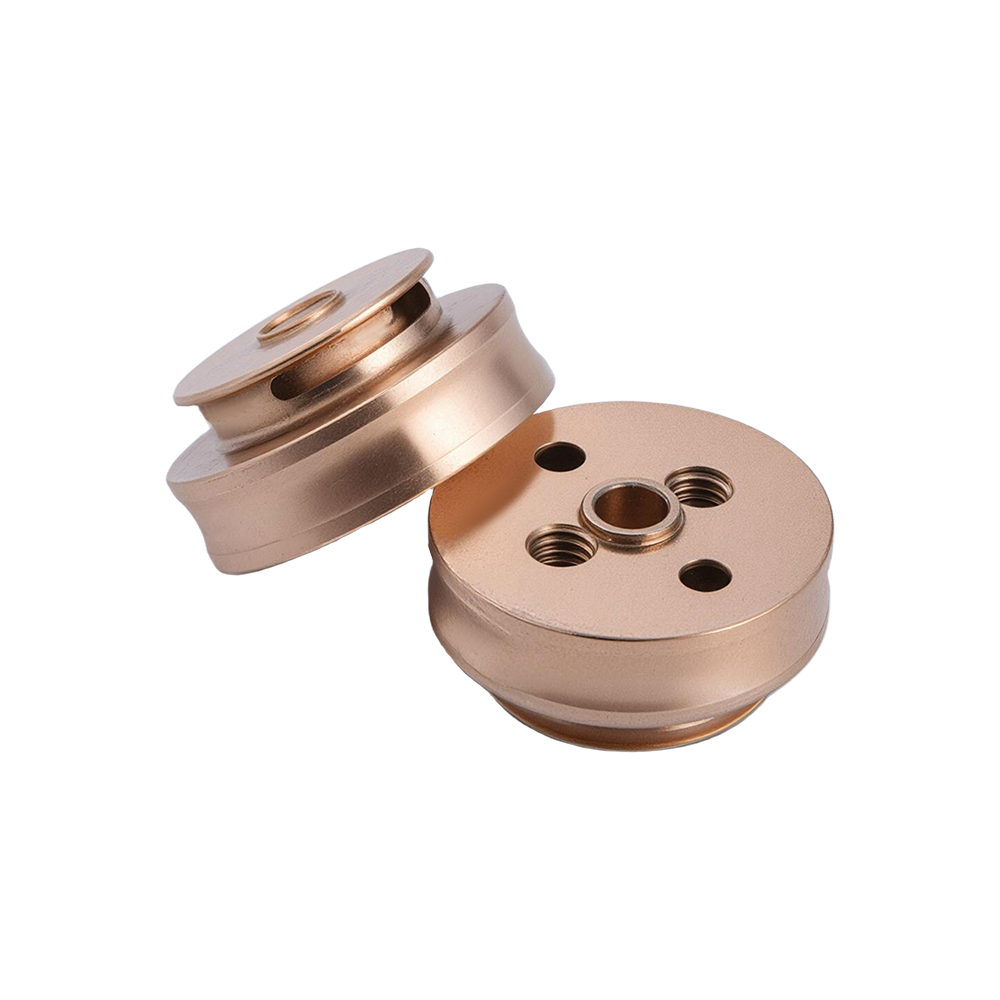
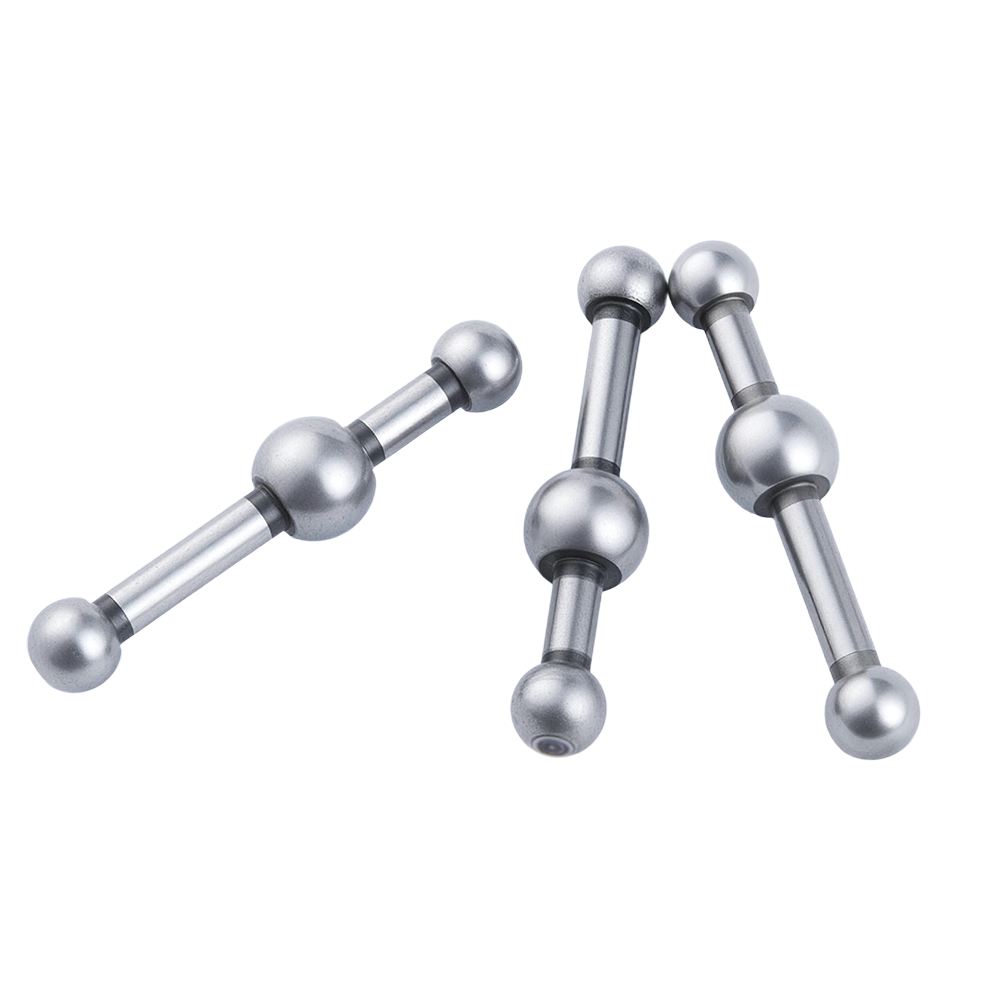
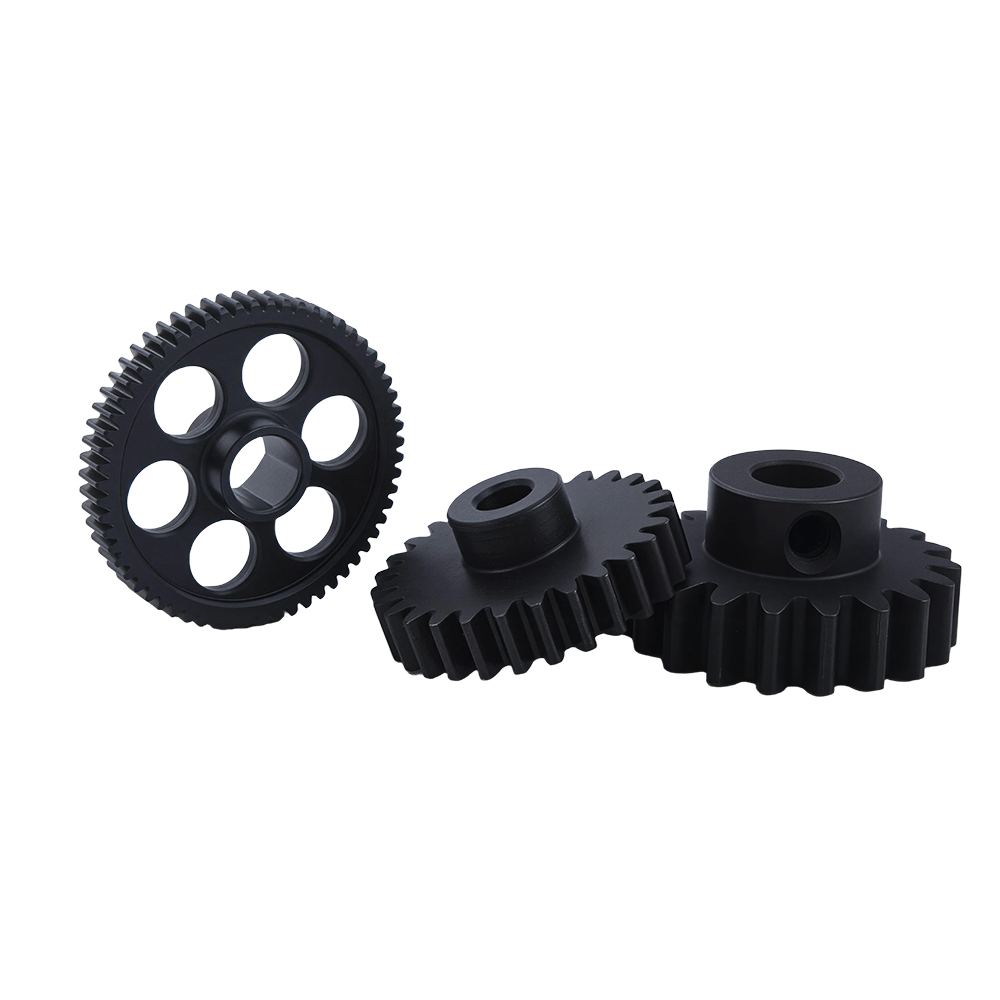
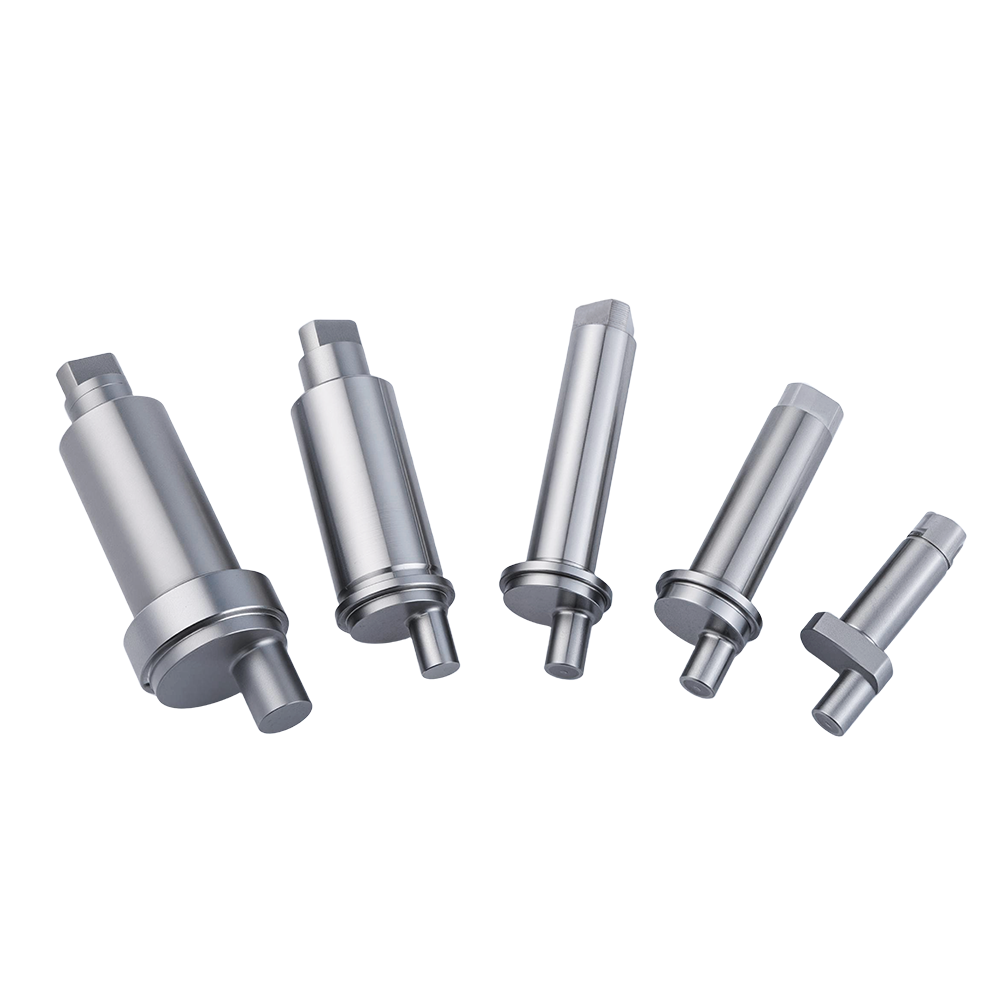
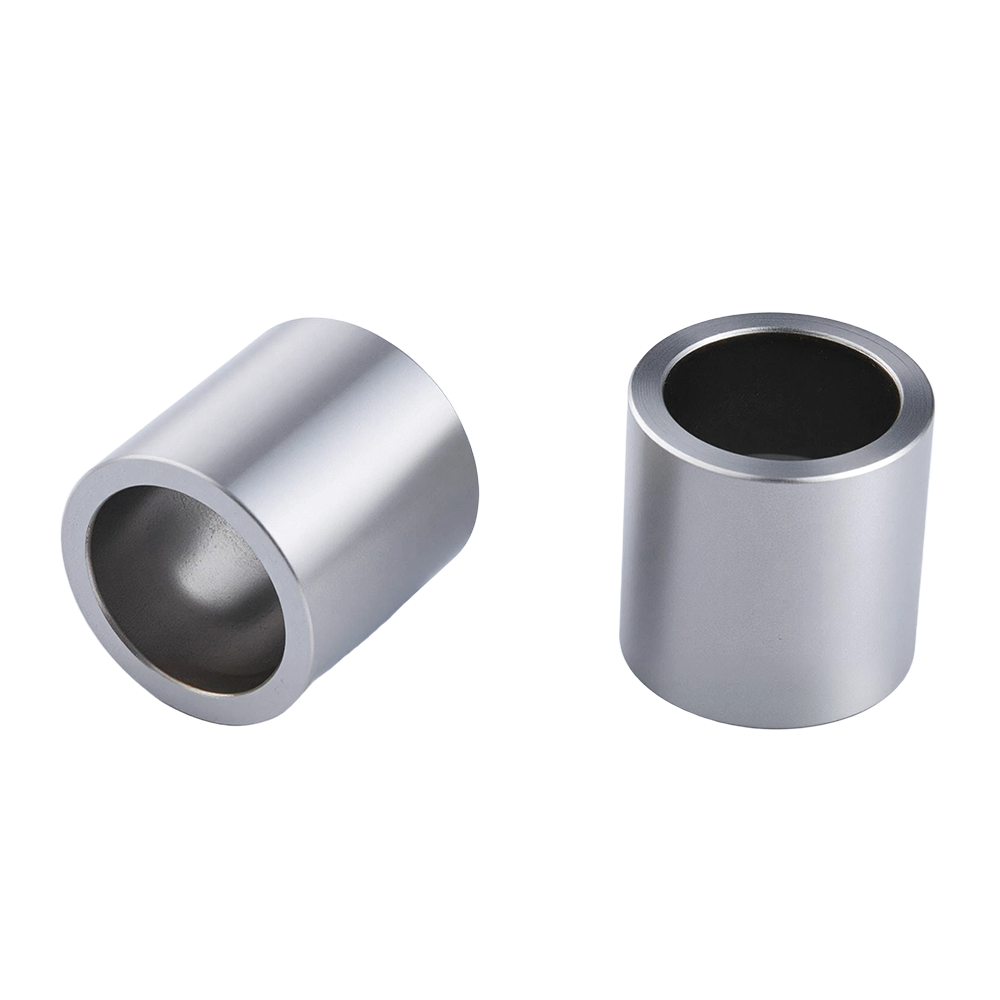
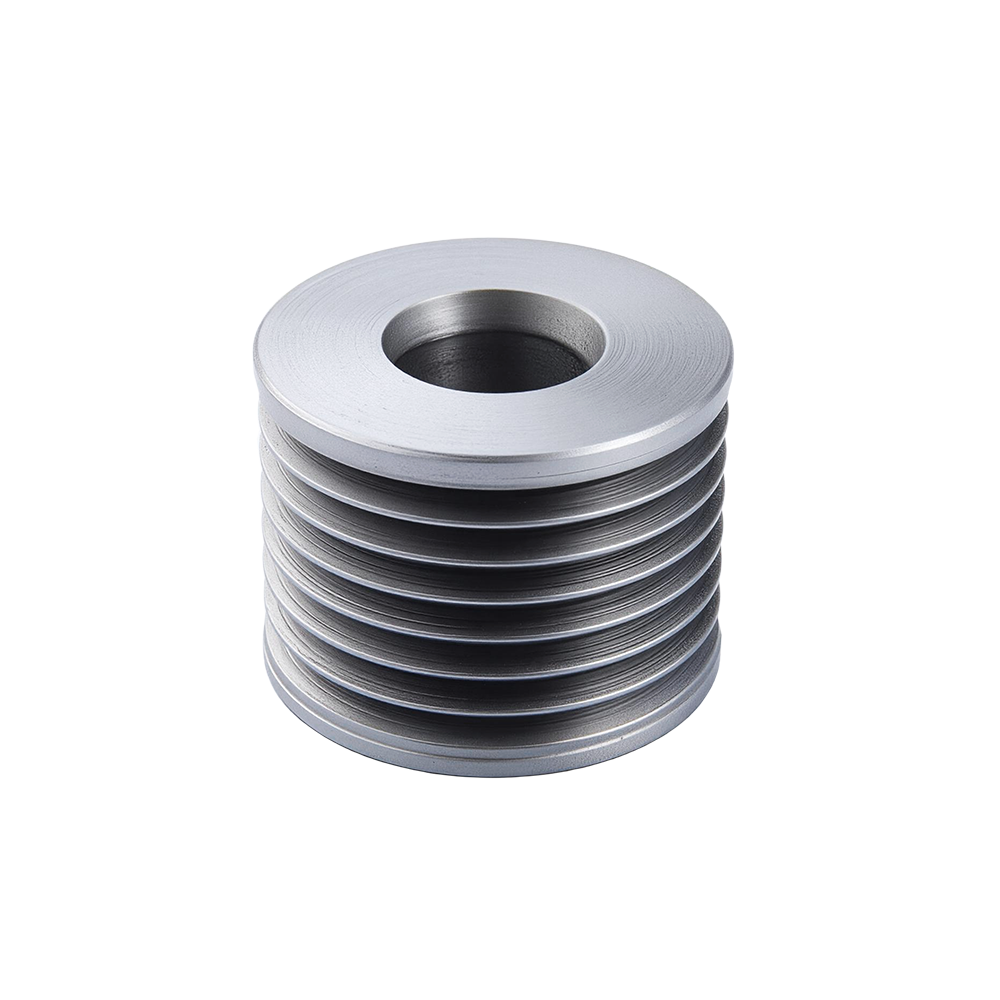
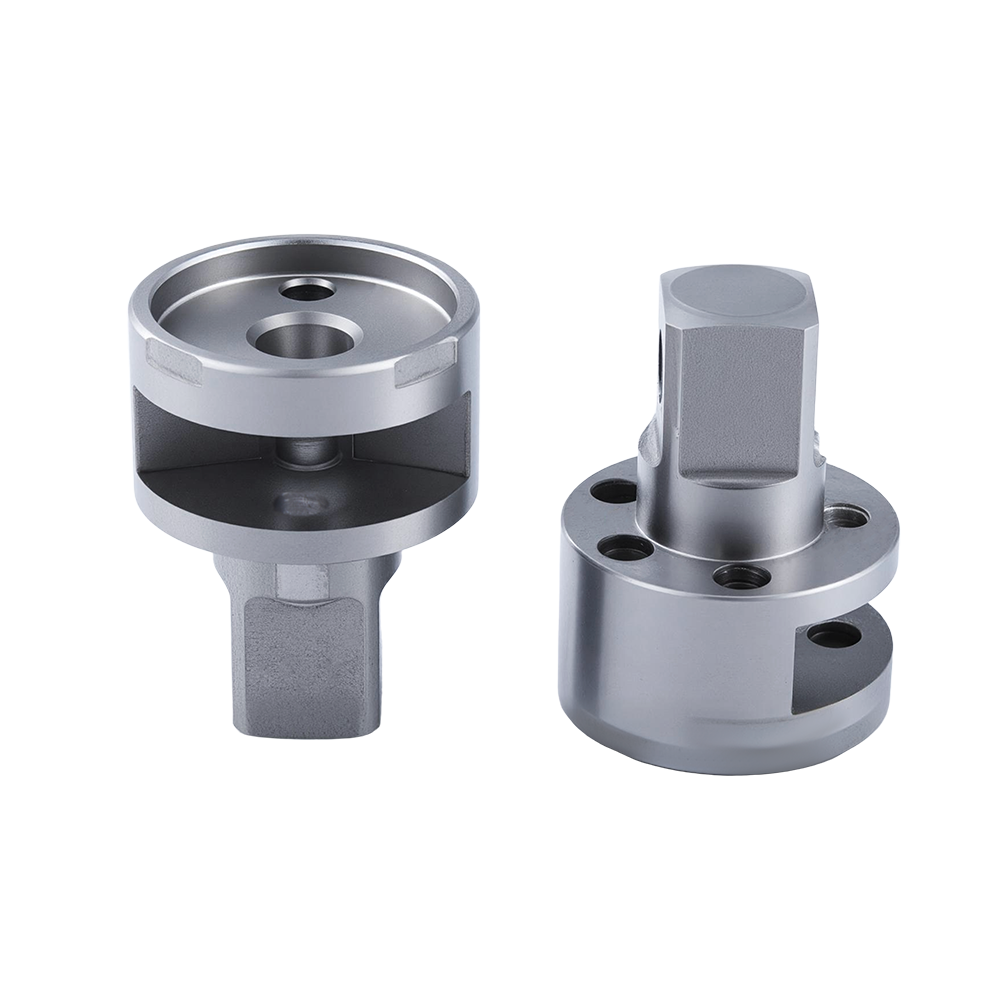
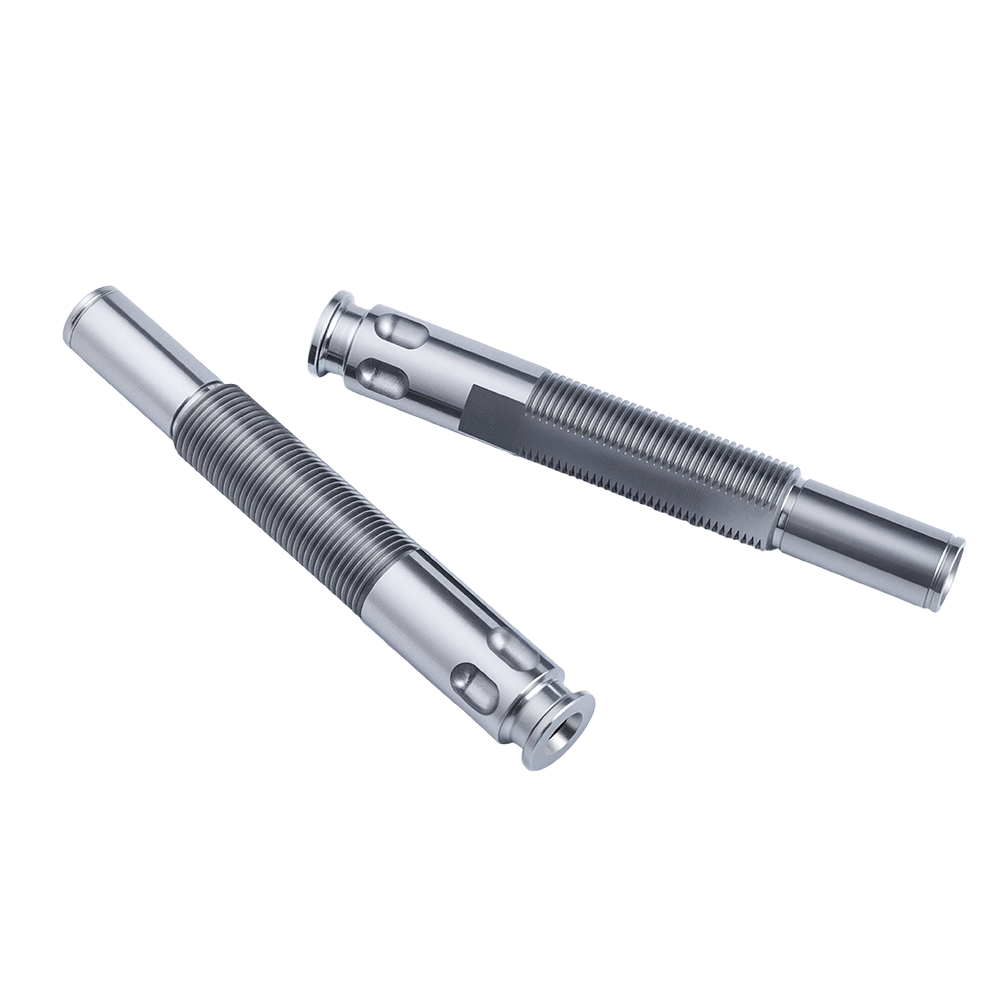
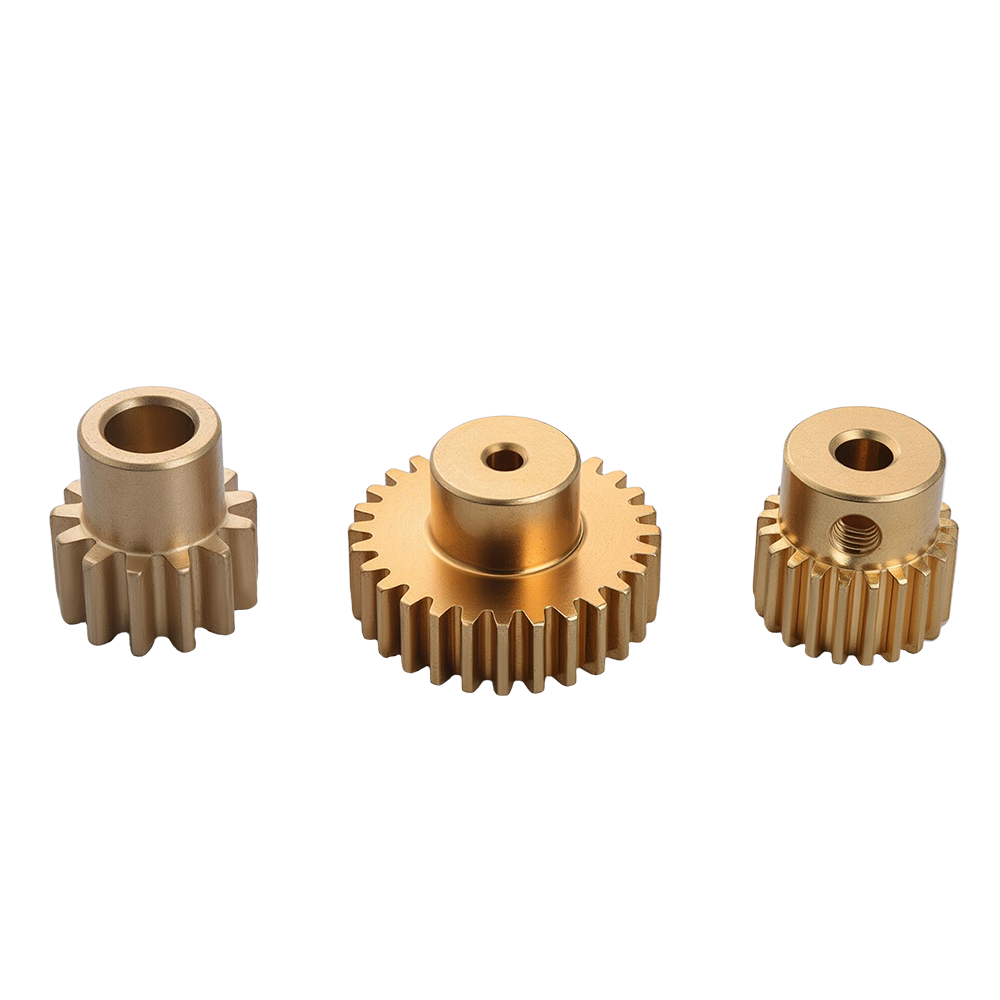
CNC Precision Gears Technical Specifications
| Probe Types | Static Pressure Probes, Pitot Tubes, Sensor Housings, Diaphragm Seal Caps |
|---|---|
| Primary Equipment | Star CNC Swiss-type Lathes, 4-axis CNC Machining Centers, Deep Hole Drilling Machines |
| Dimensional Tolerance | Sealing Diameters & Diaphragm Seats: ±0.002mm; General: ±0.005mm |
| Geometric Tolerances | Concentricity (Bore to O.D.): 0.003mm; Wall Thickness Uniformity: ±0.01mm |
| Common Materials | SUS316L, 17-4PH, SUS304, Inconel 625, Hastelloy C276 |
| Heat Treatment | Solution Annealing, Precipitation Hardening (HRC 38-44 for 17-4PH) |
| Surface Roughness (Ra) | Ground Sealing Surfaces: Ra 0.2; Internal Micro-Channels: Ra 0.4 - Ra 0.8 |
| Machining Features | Deep Internal Blind Holes, Micro Sensing Holes, Precision Tapers, Threaded Ports |
| Surface Treatments & Cleaning | Passivation, Electropolishing, Ultra-Ultrasonic Cleaning, Cleanroom Packaging |
| Inspection Equipment | Japanese/German CMM, Borescopes, Air Gauges, Pressure Decay Testers |
Ultra-Precision Machined Pressure Probes for Critical Sensing and Fluid Control
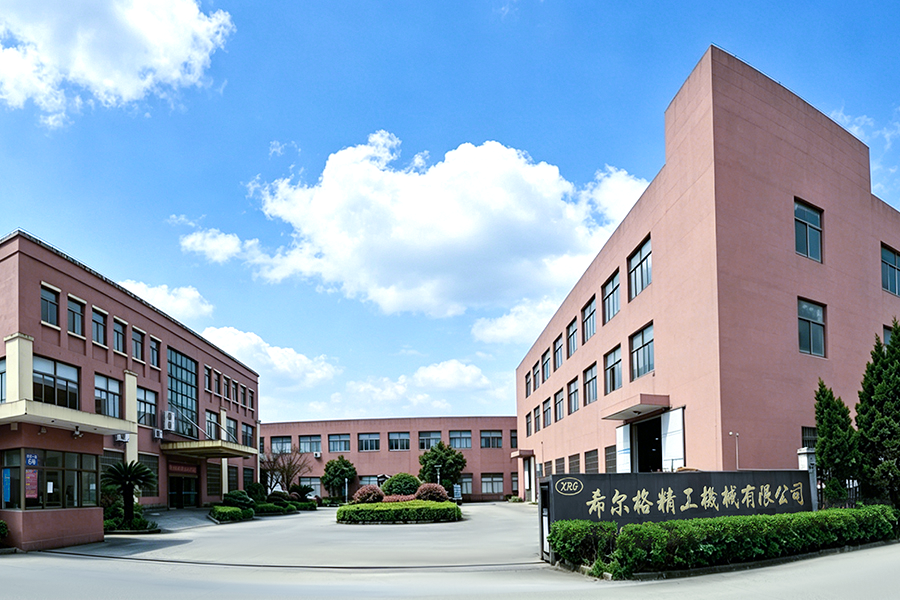
At Xierge Precision Machinery Co., Ltd., we leverage over 30 years of operational experience since 1990 to manufacture premium CNC Precision Gears for the automotive, industrial machinery, and medical sectors. Pressure probes are highly sensitive components used for fluid measurement, pressure transmission, and environmental monitoring. They require complex internal micro-channels, precise sensing diaphragms, and flawless external sealing surfaces. In high-pressure or highly corrosive environments, even a microscopic deviation in wall thickness, concentricity, or surface finish can lead to inaccurate readings, sensor drift, or catastrophic fluid leakage.
To achieve these exacting standards, our state-of-the-art facility is equipped with Japanese imported Star CNC Swiss-type lathes, advanced 4-axis CNC machining centers, and high-precision internal/external cylindrical grinders. The guide bushing technology on our Swiss lathes provides continuous, rigid support, completely eliminating deflection when machining long, slender probe bodies. This specialized equipment allows us to machine intricate internal blind holes, micro-cross drilling for pressure equalization, and precision sealing tapers in a single continuous setup, ensuring absolute coaxiality.
Following our core principle of "Integrity Oriented, Quality Foremost," we strictly adopt premium raw materials, such as SUS316L, 17-4PH stainless steel, and Inconel, to ensure maximum corrosion resistance and structural integrity. We apply strict quality inspection protocols utilizing a complete set of testing instruments imported directly from Japan and Germany. We keep innovating to maintain sound business development and warmly welcome domestic and overseas clients to visit our factory and explore custom OEM/ODM cooperation opportunities.
Core Advantages of Xierge CNC Precision Gears
- Uniform Wall Thickness Control: Our Japanese Star CNC Swiss-type lathes machine the delicate diaphragm seats and deep internal bores in a single setup, ensuring absolute concentricity and uniform wall thickness, which is critical for accurate pressure transfer.
- Deep Hole & Micro-Channel Machining: We utilize specialized gun drilling and micro-boring techniques to machine long, slender internal channels without deflection, ensuring smooth fluid dynamics and preventing sensor clogging.
- Zero-Burr Micro-Hole Drilling: To prevent debris from damaging sensitive sensing elements, we utilize specialized back-chamfering and thermal deburring to completely remove burrs from micro cross-drilled pressure equalization holes.
- Corrosion-Resistant Material Mastery: We have mature processing parameters for highly exotic alloys like Inconel and Hastelloy, providing superior resistance to aggressive chemicals, sour gas, and high-temperature environments.
- Flawless Sealing Surface Grinding: Equipped with high-precision cylindrical grinders, we achieve mirror-like finishes (Ra 0.2) on sealing tapers and O-ring grooves, guaranteeing leak-proof connections under extreme pressures.
- Ultra-Clean Medical-Grade Washing: Every probe undergoes rigorous multi-stage ultrasonic cleaning to remove 100% of cutting fluids and micro-chips, followed by cleanroom-compatible packaging to prevent system contamination.
- 3-Decade OEM/ODM Innovation: Since 1990, we have continuously innovated, collaborating closely with clients to optimize DFM (Design for Manufacturing) for custom probe assemblies, scaling seamlessly from prototyping to mass production.
Payment Methods & Global Logistics Solutions
Secure International Payment Terms:
To facilitate smooth B2B international trade, we offer flexible and secure payment options. For mass production orders of CNC Precision Gears, we accept standard T/T (Telegraphic Transfer) with a 30% advance deposit and 70% balance before shipment. For large-scale automotive or industrial supply contracts, we are fully capable of processing Irrevocable Letters of Credit (L/C) at sight. For initial prototyping, sample orders, or custom tooling fees, PayPal and Western Union are also available to expedite the process.
Global Logistics & Protective Packaging:
We provide comprehensive end-to-end shipping solutions under FOB, CIF, and DAP Incoterms. For urgent prototypes or small batches, we utilize expedited international couriers such as DHL, FedEx, and UPS. For bulk mass production, we offer highly competitive sea freight (LCL/FCL) and air cargo rates through our trusted global forwarder network. Recognizing that pressure probes feature delicate sensing tips, micro-holes, and precision sealing surfaces highly susceptible to impact and contamination, we utilize specialized packaging: all open ports are capped with plastic plugs to prevent debris entry, each probe is vacuum-sealed in cleanroom-grade anti-static bags with VCI anti-rust paper, and secured in custom partitioned EPE foam slots within sturdy export-grade cartons to ensure zero deformation during international transit.
FAQ
Uniform wall thickness is critical for consistent pressure deflection. We machine both the outer diameter and the deep internal diaphragm seat on our Japanese Star CNC Swiss-type lathes in a single continuous setup. The guide bushing provides rigid support, eliminating deflection and ensuring the concentricity between the bore and the outer body remains within 0.003mm, guaranteeing a perfectly uniform wall.
Internal burrs can break off and destroy the sensing diaphragm. We utilize sharp, specialized carbide micro-drills with optimized pecking cycles directly on the CNC machine. Following this, we employ thermal energy deburring (TEM) which reaches into the micro-holes to vaporize burrs at the molecular level. Finally, rigorous ultrasonic cleaning and borescope inspection ensure a 100% clear internal path.
For highly corrosive environments such as oil and gas sour gas applications, we highly recommend Inconel 625 or Hastelloy C276. These exotic alloys provide exceptional resistance to pitting and stress corrosion cracking. We also coordinate solution annealing and ASTM A967 passivation to maximize the naturally protective oxide layer on the finished probe.
Yes. Thin-walled tubes are prone to crushing during thread machining. We utilize custom soft jaws and collets that distribute clamping force evenly. We single-point machine the threads rather than using dies, allowing us to control the cutting pressure precisely and maintain the exact geometry of the probe body without inducing ovalization.
Standard metrology tools cannot reach deep internal features. We utilize imported German and Japanese industrial borescopes and specialized micro-probes attached to our Coordinate Measuring Machines (CMM). This allows us to visually inspect the internal surface finish for tool marks and physically map the internal diameter, blind-end geometry, and transition tapers.
Absolutely. Adhering to our "Quality Foremost" principle, we can integrate pressure decay testing (leak testing) into our final inspection process. By sealing the ports and pressurizing the internal chamber with compressed dry air or nitrogen, we can quantitatively verify that there are zero casting porosity issues, micro-cracks, or machining defects before the components are packaged.