
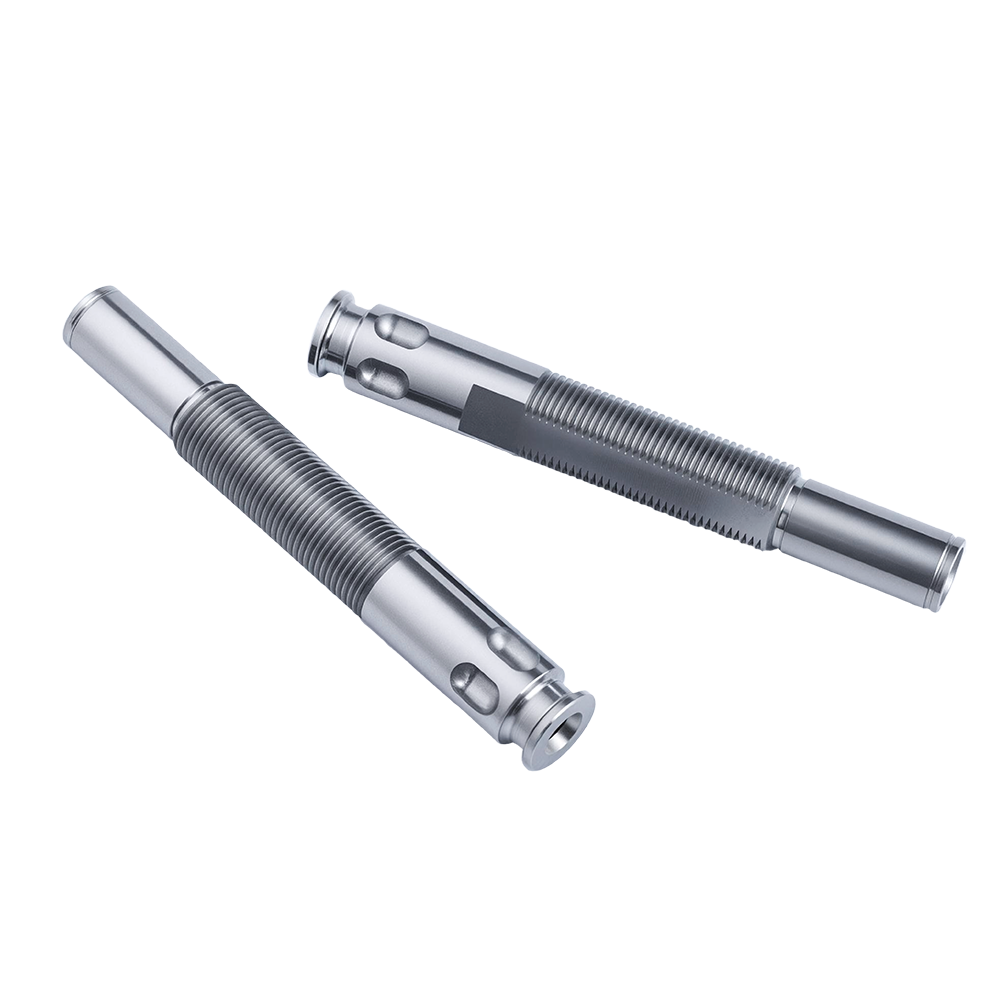
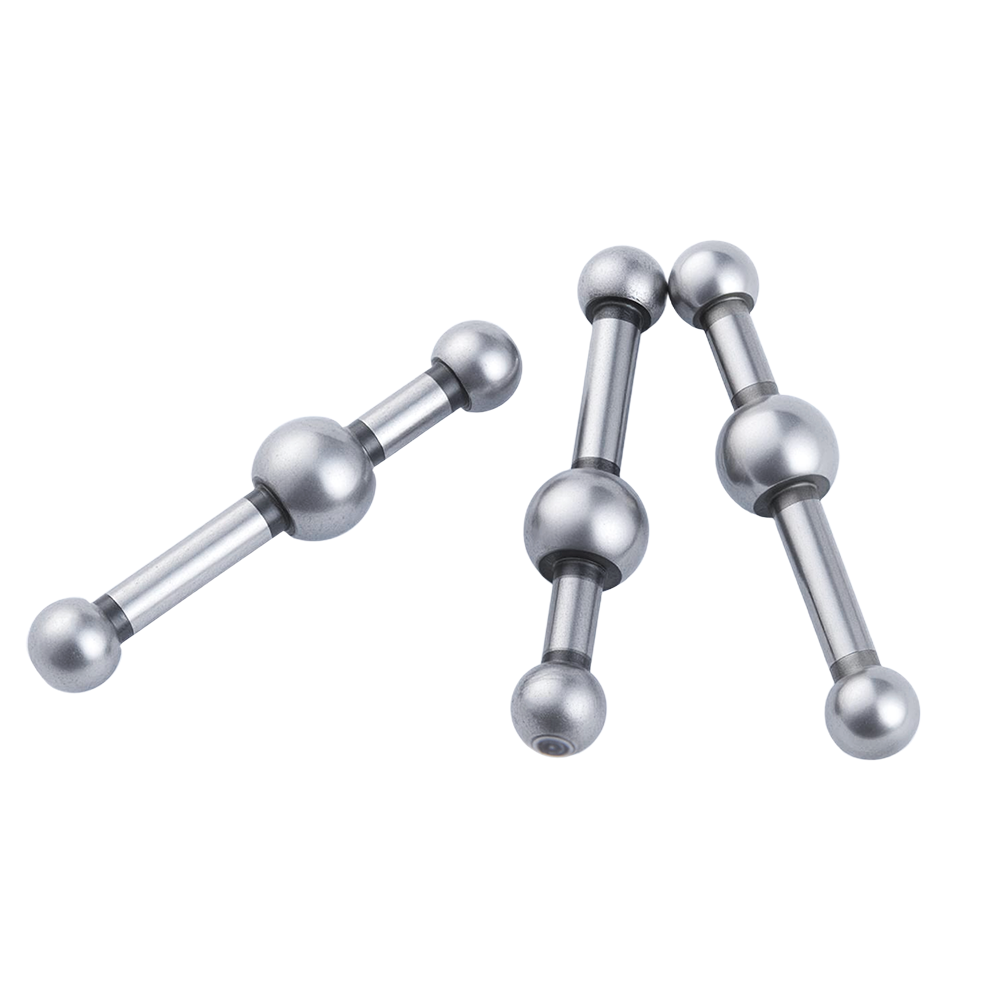
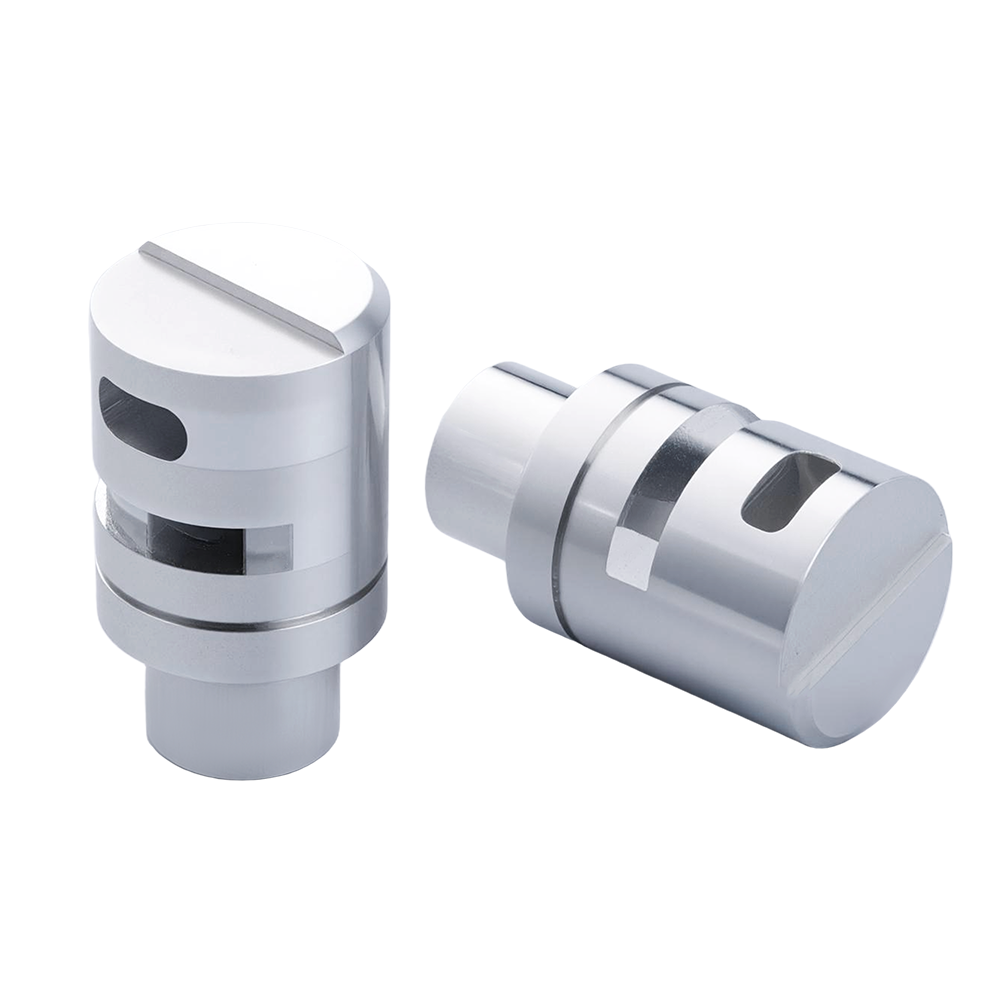
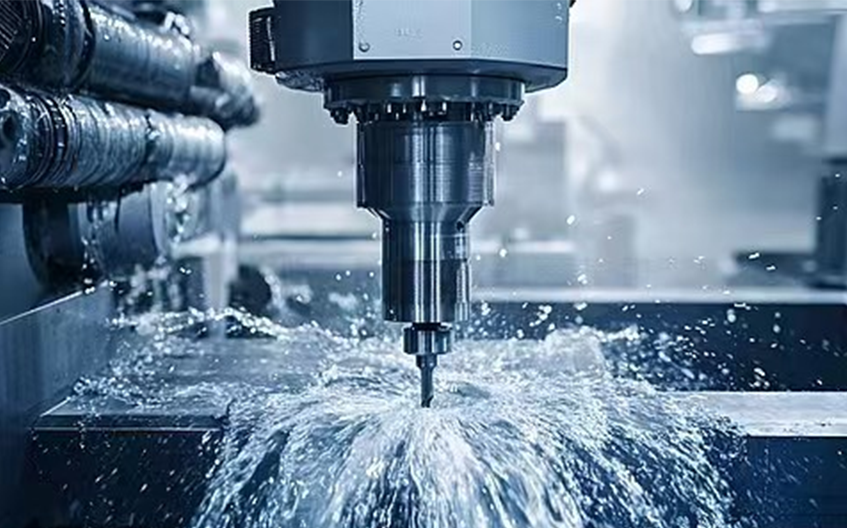
Precision Machined Components form the structural and functional backbone of countless mechanical assemblies, from rotating shafts and housings to connectors, brackets and flow-control parts. Buyers researching precision machining components are usually trying to solve a very specific problem: how...
What are CNC elements?
CNC elements refer to the mechanical, electrical, and software components that together allow a numerically controlled machine to shape raw material into a finished part. These include the machine's structural base, the drive mechanisms that move each axis, the spindle and to...
The demand for effective thermal management has never been higher, and AI-driven precision CNC machined liquid cooling parts have emerged as one of the key manufacturing innovations meeting that demand. As processors, batteries, and power electronics pack more energy into smaller spaces, the compon...
The rapid growth of AI training and inference workloads has pushed data center thermal management well past the limits of traditional air cooling. Modern AI accelerator chips routinely draw several hundred watts each, and dense server racks packed with these accelerators can generate heat loads tha...
The rapid expansion of artificial intelligence workloads has placed unprecedented thermal demands on computing hardware, driving a corresponding evolution in the precision engineering required to manage heat effectively within densely packed server environments. High-Precision CNC Machined Liquid C...
The rapid growth of artificial intelligence workloads has placed unprecedented demands on data center infrastructure, particularly in the area of thermal management. As processors dedicated to training and running large AI models pack more computing power into smaller physical footprints, the heat ...
What Is CNC Precision Machining
CNC precision machining is a computer-controlled manufacturing process that removes material from metal or plastic blanks using cutting tools to produce parts with extremely tight dimensional tolerances, often as fine as ±0.005mm. Unlike manual machining, CNC systems...
CNC precision machined automotive parts are components produced by computer-controlled subtractive manufacturing processes — turning, milling, drilling, grinding, and multi-axis machining — to dimensional tolerances that cast, forged, or stamped parts cannot reliably achieve. For automotive engineer...
Driven by the rapid advancement of intelligent manufacturing technologies, CNC machining is evolving from digital control to intelligent control, which drives production mode upgrading and facilitates breakthroughs in product innovation.
The integration of intelligent technologies streamlines produ...
High precision constitutes the core competitive edge of CNC machining. Especially in aerospace, medical device, precision instrument, and other fields, even micron-level errors may impair product service performance. Hence, strict precision control stands as a core link in production.
Precision man...
The quality of CNC-machined products is fundamentally determined by proper material selection and matching. Differences in machinability and mechanical properties of various materials directly affect machining processes, production efficiency, and final service performance of finished products.
Met...