


 English
 中文简体

Design for CNC Machining: Practical DFM Guidelines for Precision Manufacturers
Content
- 1 Why Design for Manufacturability Matters in CNC Machining
- 2 Core Design for CNC Machining Guidelines
- 3 Material Selection Affects Machinability and Part Cost
- 4 Common CNC Design Pitfalls to Avoid
- 5 Choosing the Right Machining Process
- 6 Reviewing a Design with Your Machining Partner
- 7 Designing for Real-World Applications
Designing for CNC machining is not simply about creating a 3D model that looks right. It is about making sure that every wall, hole, corner, and tolerance can be produced accurately, repeatedly, and economically. At Xierge Precision Machinery, we have spent more than three decades machining precision metal components for automotive, liquid cooling, power tool, optical, and general industrial applications. In that time, we have learned that the most successful projects begin with clear communication between the design desk and the shop floor. This guide explains what design for CNC machining means, the practical rules we apply, and how a capable machining partner can help you turn a good drawing into a better part.
Why Design for Manufacturability Matters in CNC Machining
Design for manufacturability, or DFM, is the practice of engineering a part with the production process in mind. In CNC machining, the process is subtractive: material is removed by rotating cutting tools, and every feature must be reachable by those tools. A design that ignores tool geometry, workholding, and material behavior can cause unnecessary cost, long lead times, or quality problems. When we review a design, we ask three questions early: Can the cutting tool reach the feature? Is the feature strong enough for machining? And does the tolerance reflect a real functional need? Answering these questions before a single part is made saves time for everyone involved.
Core Design for CNC Machining Guidelines
Over the years, a few simple guidelines cover most design issues. Use the table below as a quick reference when you prepare a model for CNC machining.
| Feature | Guideline | Why It Helps |
|---|---|---|
| Internal corners | Use a radius of at least 0.8 mm, and keep the radius larger than the tool radius. | Prevents tool stress and avoids custom tooling. |
| Wall thickness | Avoid walls below 0.8 mm in metal; thicker is better for stability. | Reduces vibration and part deformation. |
| Standard holes | Use standard drill diameters when possible. | Standard tooling lowers cost and improves consistency. |
| Hole depth | Keep hole depth within four times the diameter unless necessary. | Long holes need special attention and longer cycle times. |
| Threads | Specify standard thread forms and allow enough thread depth. | Standard processes and tools produce reliable results. |
| Tolerances | Use +/-0.1 mm for general dimensions; reserve +/-0.01 mm for critical mating features. | Tighter tolerances increase cost and inspection time. |
| Small features | Avoid features smaller than 0.5 mm when possible. | Small tools break easily and slow production. |
These guidelines are starting points. The best design is the one that meets functional requirements without asking a CNC shop to manufacture impossibly tight corners or delicate walls. If you are unsure, ask your machining partner early.
Material Selection Affects Machinability and Part Cost
Material choice influences how a part is machined and what it costs. Aluminum machines quickly, resists corrosion, and is ideal for lightweight components. Brass offers excellent machinability and is often selected for fittings, valves, sensors, and connectors. Stainless steel provides strength and corrosion resistance, though it is harder to machine and requires sharper tools and careful feeds. We regularly produce components from all three families, including stainless steel CNC turned parts, and we have also created precision machined aluminum parts for enclosures and structural components. When you choose a material, think about the environment the part will live in: temperature, moisture, vibration, and mating materials all matter.
Common CNC Design Pitfalls to Avoid
Even experienced designers can create parts that are difficult to machine. Some of the most common issues we see include:
- Sharp internal corners that force us to use a smaller tool than the design needs.
- Thin-walled features that vibrate during machining and produce poor surface finish.
- Deep holes specified with tiny diameters, which require pecking cycles and slow production.
- Unnecessarily tight tolerances on non-critical surfaces, adding inspection cost.
- Missing thread reliefs, which makes it harder to start a thread cleanly.
Reviewing these details with a machinist before production can eliminate many delays.
Choosing the Right Machining Process
CNC machining is not one process. At Xierge, we combine Swiss-type turning, CNC milling and turning, machining centers, centerless grinding, and cylindrical grinding to produce complete part geometries. For small, long, or complex rotationally symmetric parts, Swiss-type turning is often the best starting point because the guide bushing supports material near the cutting tool. For prismatic components with pockets, faces, and drilled hole patterns, a machining center gives the most flexibility. Grinding comes into play when tight roundness, straightness, and surface finish are critical, such as for bearing surfaces and shafts. When you design for CNC machining, keep these process capabilities in mind. A feature that seems impossible on one machine may be easy on another, and an experienced supplier can help you find the shortest path.
Reviewing a Design with Your Machining Partner
Your technical drawing is as important as your 3D model. A clean drawing with clear views, dimensions, thread callouts, and tolerances prevents misunderstanding. We recommend showing only the critical tolerances that affect function; overdimensioning can cause confusion and unnecessary inspection. During the design review, we look for potential deburring issues, sharp edges that are difficult to break, and surfaces that may require secondary operations. If you have an existing component, send it to us as a reference. For custom projects, our CNC machining for OEM projects page explains how we work from customer drawings to finished parts. The goal is to agree on the manufacturing path before production begins.
Designing for Real-World Applications
CNC machining serves many industries, and each one has its own design priorities. Below, we highlight a few part families we manufacture and the design considerations that come up most often.
Automotive Precision Parts
Automotive components must survive vibration, heat, and long service life. We machine shock absorber sleeves, drive shafts, electromagnetic sensor parts, and valve sleeves for vehicles. When designing these parts, pay careful attention to wall thickness and surface finish, since thin sleeves can distort during machining and tight clearances require controlled roundness.
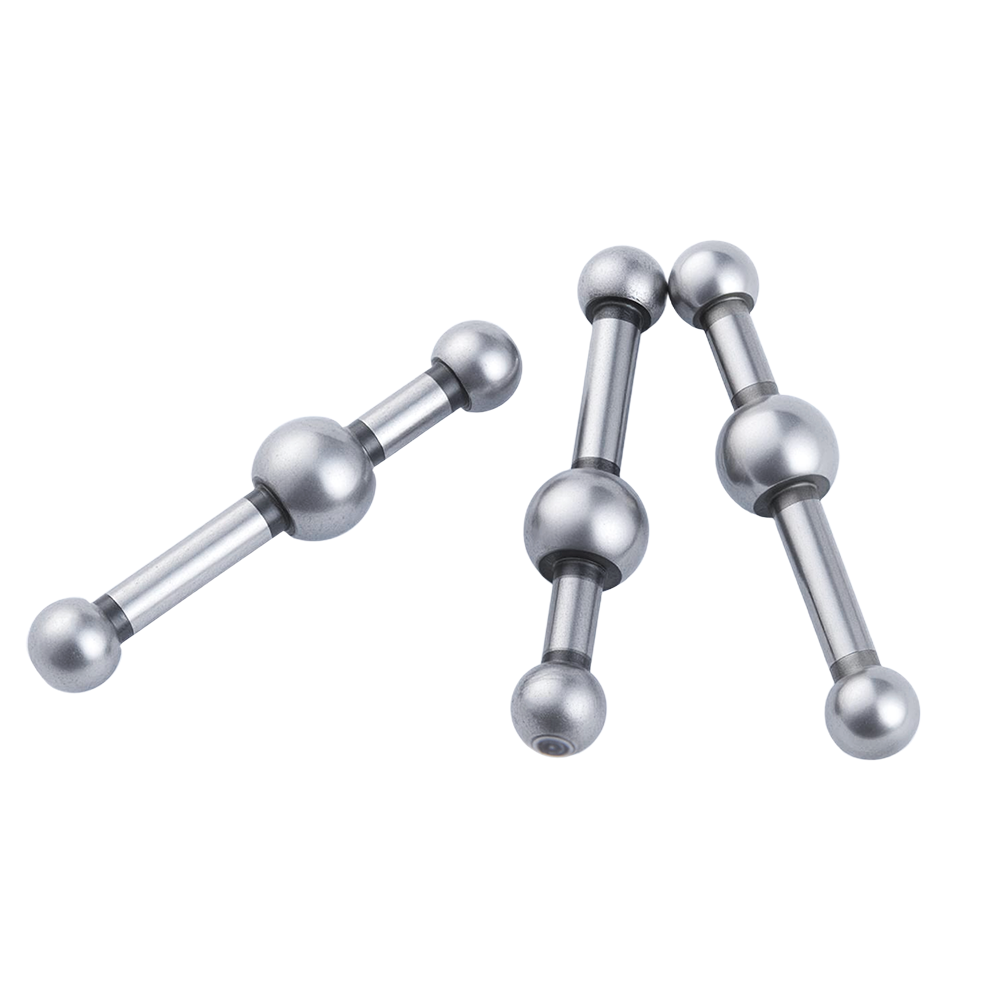 Precision Machined Automotive Locating Pin and Adjustment BoltsThese CNC-machined automotive parts, including a carburized locating pin and black anodized adjustment bolts, demonstrate precise thread and surface control suited to vibration-prone assemblies.View Product →
Liquid Cooling System Components
Liquid cooling systems rely on leak-free connections and accurate flow paths. Fluid connectors, tube fittings, valve spools, and nozzle assemblies are typical examples. For these parts, thread quality and sealing surfaces are essential. In your design, specify the thread standard and sealing method clearly, and avoid sharp internal corners that can trap debris or add stress.
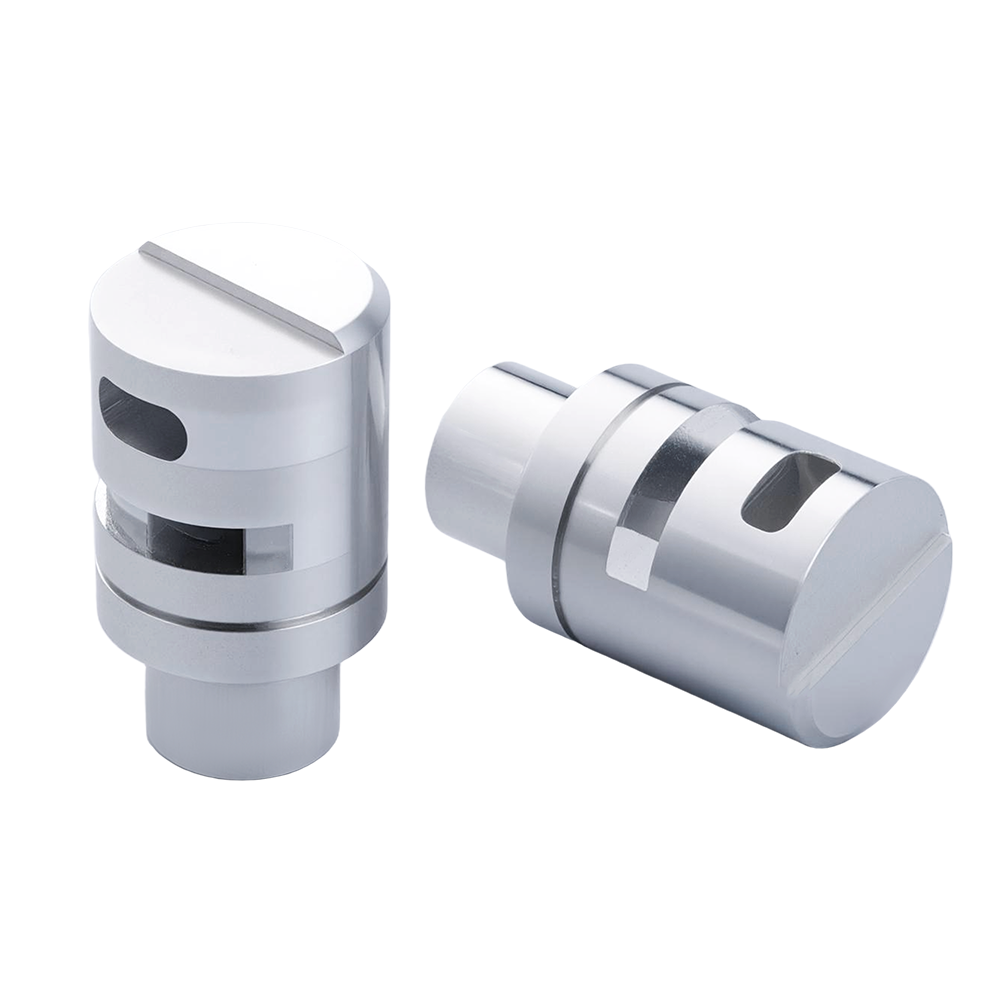 Precision Machined Liquid Cooling Valve Cores, Nozzles, and SleevesThe liquid cooling line features valve cores, nozzles, and valve sleeves in aluminum, highlighting the tight tolerances and sealing finishes needed for reliable coolant flow paths.View Product →
Power Tool Components
Power tool parts need consistent dimensional control because they often form part of a rotating assembly. Drive components, knobs, and transmission parts must be balanced, concentric, and durable. A simple way to improve manufacturability is to design around standard shaft diameters and spline profiles whenever possible.
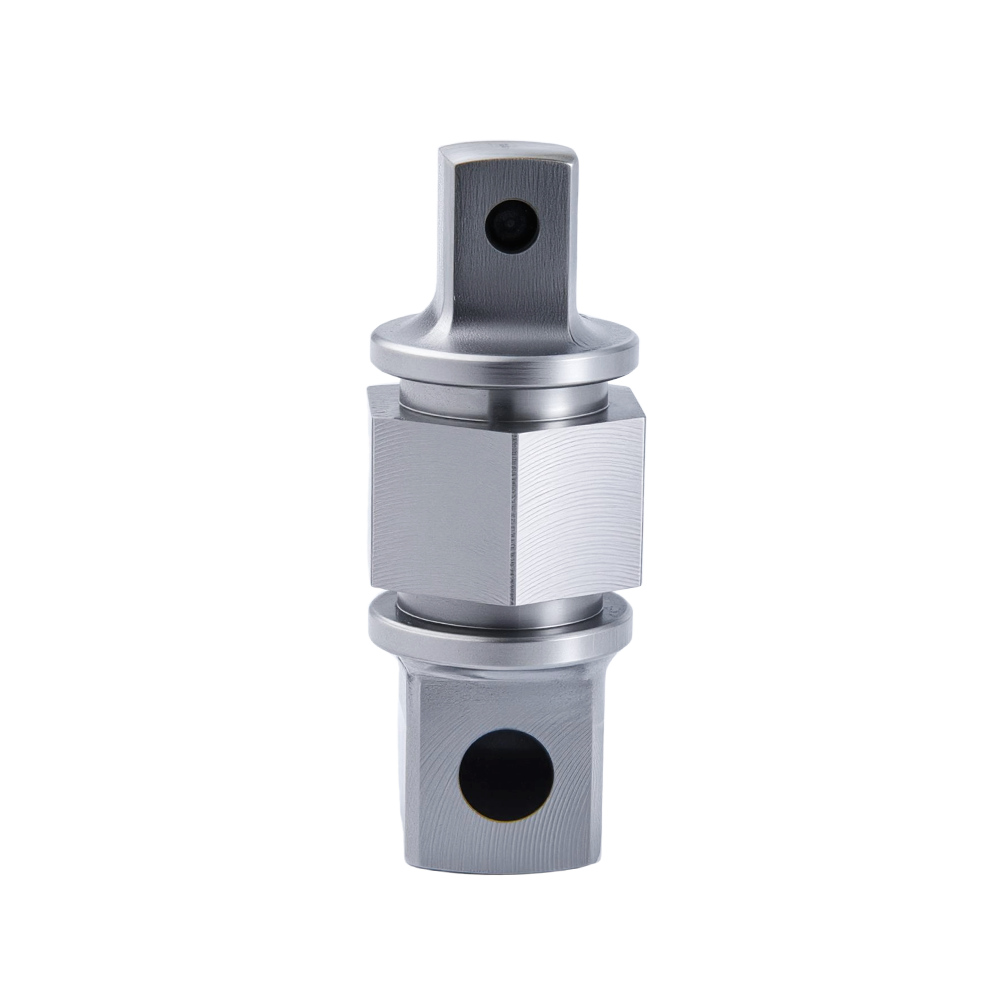 Precision Machined Power Tool Transmission, Shafts, and GearsThese power tool components—transmission parts, planetary gear shafts, small module gears, and motor shafts—require concentricity and balance, making them key examples of durable rotating assembly design.View Product →
Optical instrument parts, including precision shims and base housings, follow similar logic: clean geometry, stable materials, and tight tolerances on mating dimensions.
Good design for CNC machining is not a fixed set of formulas. It is a dialogue between function, geometry, and production reality. If you are working on a new part or refining an existing one, send us your drawing, ask questions early, and take advantage of our experience. A small change in a corner radius or a hole depth can often lower cost, shorten lead time, and improve quality more than you might expect.
-
The Role of CNC Precision Machining in Manufacturing High-Performance Power Tool Parts
What Is CNC Precision Machining CNC precision machining is a computer-controlled manufacturing process that removes material from metal or plastic blanks using cutting tools to produce parts with ext...
-
Why Does CNC Precision Machining Matter for Automotive Parts?
What CNC Precision Machining Brings to Automotive Parts CNC precision machining matters for automotive parts because it removes material from a solid workpiece according to a programmed digital path,...
-
Machinist Symbols Guide: Reading Blueprint Marks for Precision CNC Parts
Machinist symbols can look like a foreign language when you open a production drawing for the first time. After more than three decades of machining precision components, we can tell you that the mos...
-
Precision Machining on a Swiss-type CNC Lathe Full Process
Inside Swiss-Type CNC Machining: From Raw Material to Finished Part Swiss-type CNC lathes are widely used for machining small-diameter, high length-to-diameter ratio parts, thanks to their ability to ...
-
CNC Machining Material Selection Guide: Match Production Demands and Ensure Product Quality
The quality of CNC-machined products is fundamentally determined by proper material selection and matching. Differences in machinability and mechanical properties of various materials directly affect ...
-
CNC Turning and Precision Metal Parts Manufacturing
CNC Turning and Precision Metal Parts Manufacturing Precision CNC machining is an essential process for manufacturing metal components used in a wide range of industrial applications. From aluminum pa...

- Products
- CNC Precision Machined Automotive Parts
- CNC Precision Machined Liquid Cooling Parts
- CNC Precision Machined Power Tool Parts
- CNC Precision Machined Optical Components
- Customize
- Swiss Turning
- Machining Center
- CNC Milling&Turning
- Centerless Grinding Machine
- Cylindrical Grinding Machine
- Contact
-
-
TEL: +86-0574-62480516

-
E-mail: [email protected]

-
Phone: +86-13175199595

-
Address: Address: No. 6 Shiji 1st Road, Mazhu Doumen Development Zone, Yuyao City, Zhejiang Province, China

-

